

Gillette Black Handled Super Speed U1 1974: Vintage Razor Review
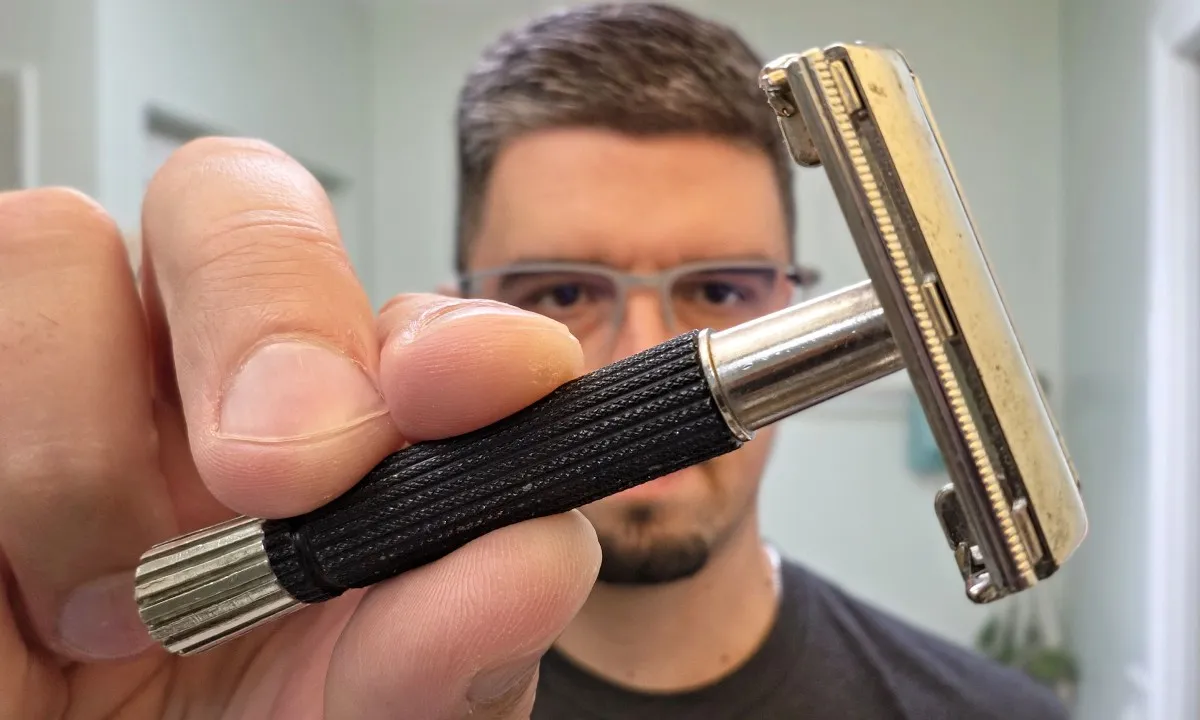
Hello everyone. Welcome back. Time for another shave, and this one is vintage. The razor is a Gillette black handled Super Speed from 1974, U1 date code, and it comes from my buddy Aaron. He dropped a whole pile of Super Speeds on me to work through, and I’ve been happy to oblige. He’s also the person responsible for all the Gillette Tech razors I covered earlier on the channel. If you’re on Instagram, go find him there and give him a follow. He prepares notes for each razor he lends me, which is genuinely generous, and I’ll share what he wrote for this one.
According to Aaron’s notes, this black handle version is similar in character to the 1950s flare tip Super Speed. That information will mean more to some of you than it does to me. I go into these shaves without much prior research, which I enjoy. I know only what Aaron provides, and that’s part of the fun.
The Razor
There’s visible wear on this one. It’s been used, which is a good thing. You can see the stamping on the side: the U date code and the numeral one on the other side. Made in the USA. Classic one-piece butterfly design, very convenient for loading the blade. The butterfly mechanism clamps less firmly than a two-piece or three-piece design. My shaves with vintage butterfly razors have been good regardless.
For the blade, I loaded a Personna Comfort Coated that was already broken in. I’d used it a couple of weeks prior with the red tip Super Speed I tested, so it’s not a fresh edge.
The Soap and Brush
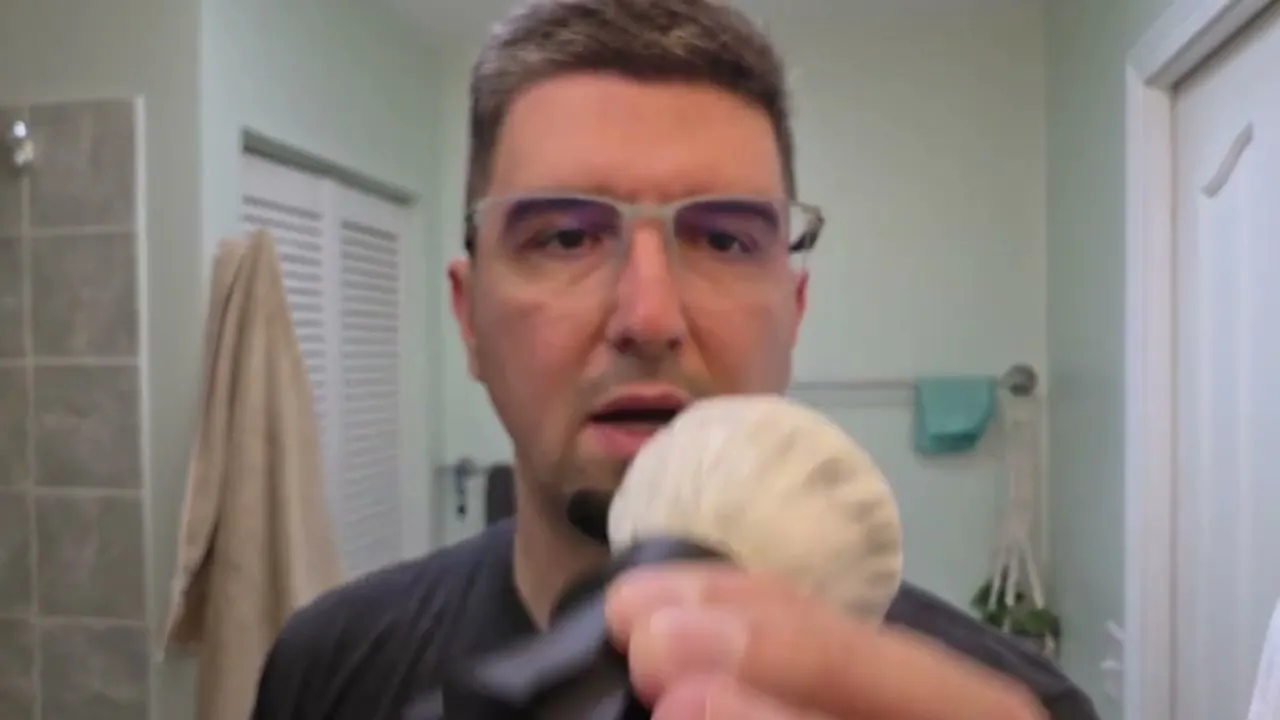
The soap I’m using is special to me. It’s the Aromique by Ariana & Evans, a collaboration with The Razor Company. This was actually my very first artisan soap purchase, so it has a place. The scent is inspired by Parfums de Marly Layton, if I’m remembering correctly. Very, very pleasant.
I’ve had this puck for over two years and there’s still plenty left. It’s gotten a bit harder with age, to the point where scooping is becoming a challenge and the pieces need more work to dissolve. But the performance is always excellent. Creamy and slick. I hydrated it generously this time, and the lather came out low and dense, which is exactly what I want. If you know which A&E base Aromique used, let me know in the comments.
I lathered with my Aylsworth Altare loaded with a Pure Bliss knot by AP Shave Co., using my Brousseau & Dov bowl.
The First Pass
Nice audio feedback from the razor right out of the gate. That smooth scraping sound you want to hear. The blade feel is very light, even lighter than the red tip, from what I could tell. Mild, but with decent efficiency after the first pass.
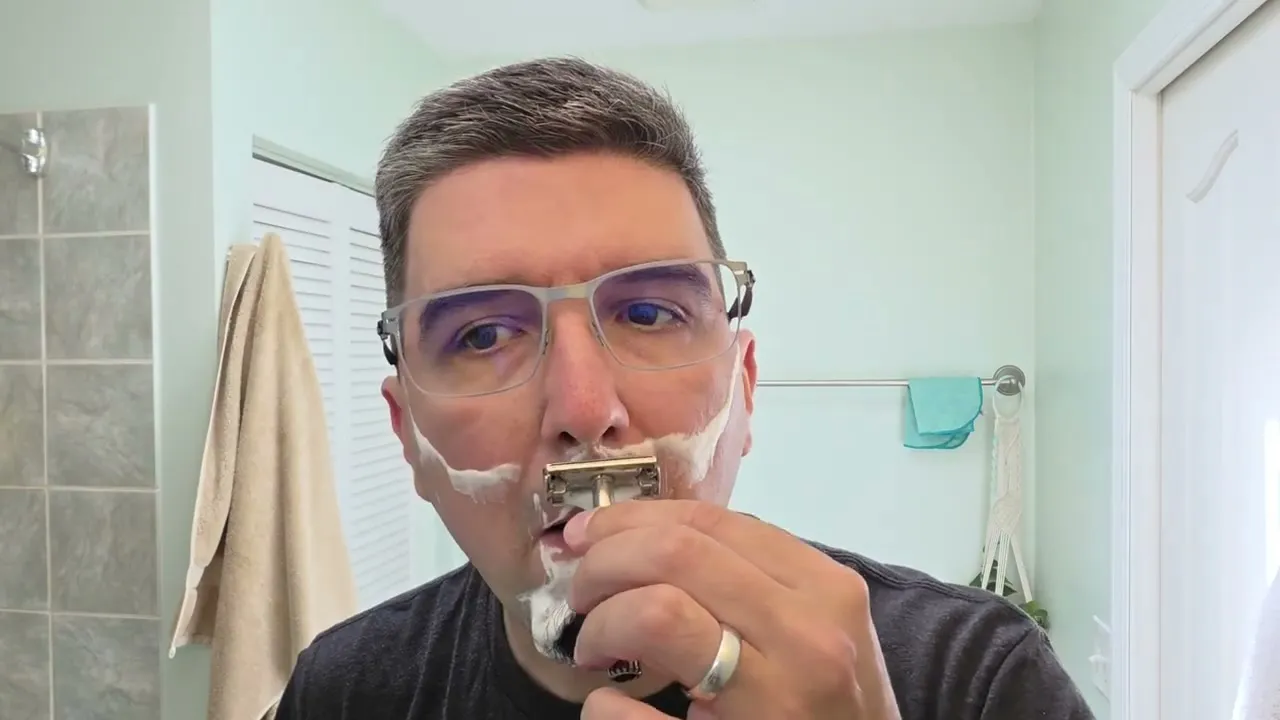
Then I noticed something.
One side felt slightly different from the other. More blade feel on one side, smoother on the other. I opened and closed the butterfly doors, checked the blade reveal from both sides. At first glance everything looks aligned. But looking more carefully, from a side angle, you can see the safety bar is slightly offset on one side compared to the other. The blade isn’t sitting as evenly as it should be.
This razor is from 1974. It’s probably been in travel bags, dropped, shaved with thousands of times. It’s not CNC-machined stainless steel. Some variation is expected. And you know me: when I catch a detail like this, I like to nerd out on it and share what I find. That’s exactly what I did.
Three Passes to Map It Out
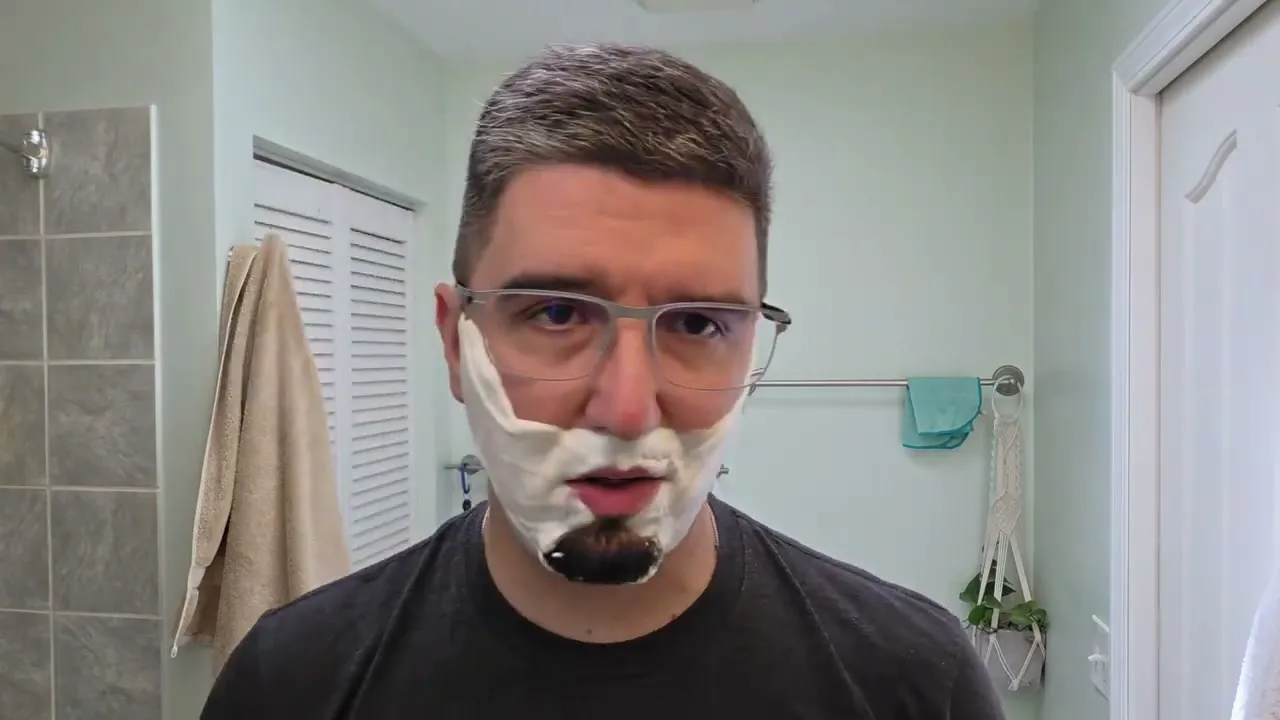
Instead of my usual two-pass shave, I went three passes to really understand the difference between the two sides.
The tuggy side was clearly the one with the more offset safety bar. Cross-grain pass, the difference was obvious: more resistance, more blade feel, more tugging. The smoother side was comfortable to work with. Against the grain, the contrast got even more pronounced. The tuggy side had real resistance, even when trying to ride the cap. The smooth side was manageable.
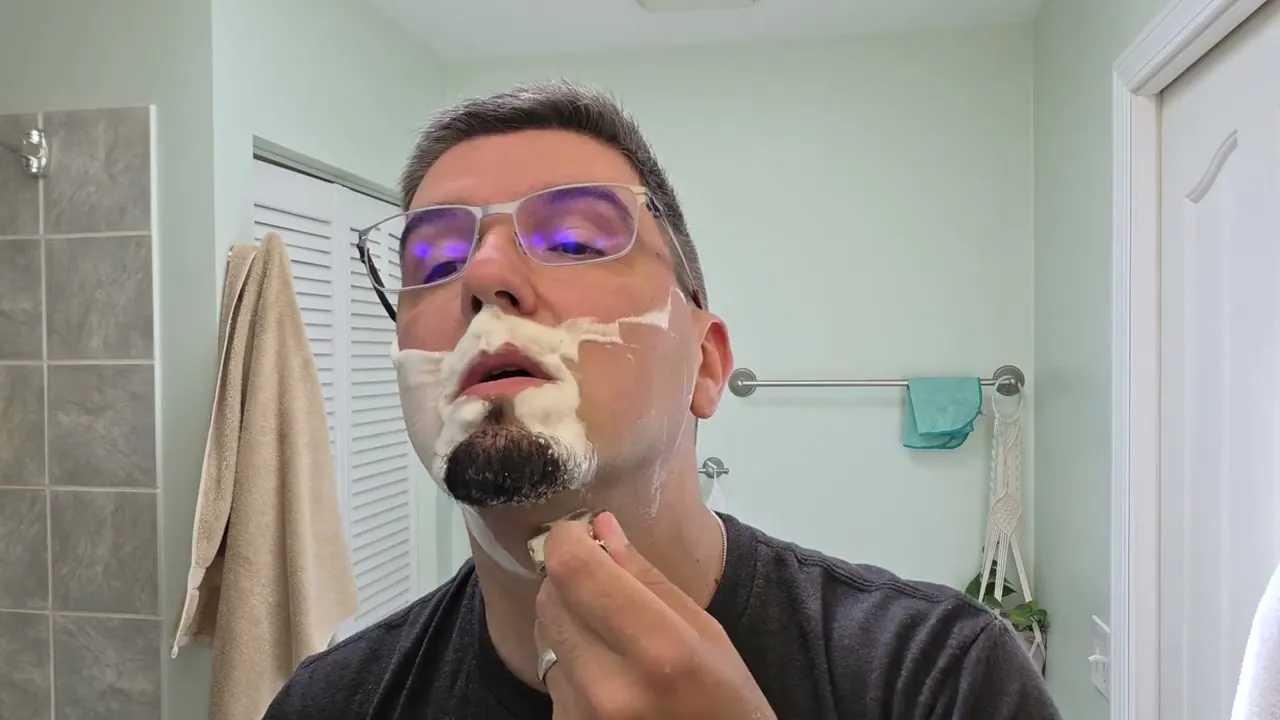
For under the nose, I tested the tuggy side first, then switched to the smooth. That’s not something I’d normally do on purpose, but I was curious what the alum would confirm.
It confirmed this: the blade clamping is compromised on one side. The tugging isn’t a technique issue. It’s the mechanism. The bar on that side sits differently, so the blade doesn’t get secured as cleanly. That’s what’s creating the uneven feel.
Not perfect BBS, but not far off either. I didn’t push for a cleaner finish because the razor simply wasn’t in position to give me one on that side without irritation. That’s fine. That’s vintage shaving.
Alum, Face Wash, and the Splash
The alum block came out after three passes. A couple of red spots under the jawline, and one area that stung quite a bit, right where I’d been running the tuggy side against the grain. The cheek I shaved with the smooth side had almost no feedback at all. The alum confirmed my findings exactly.
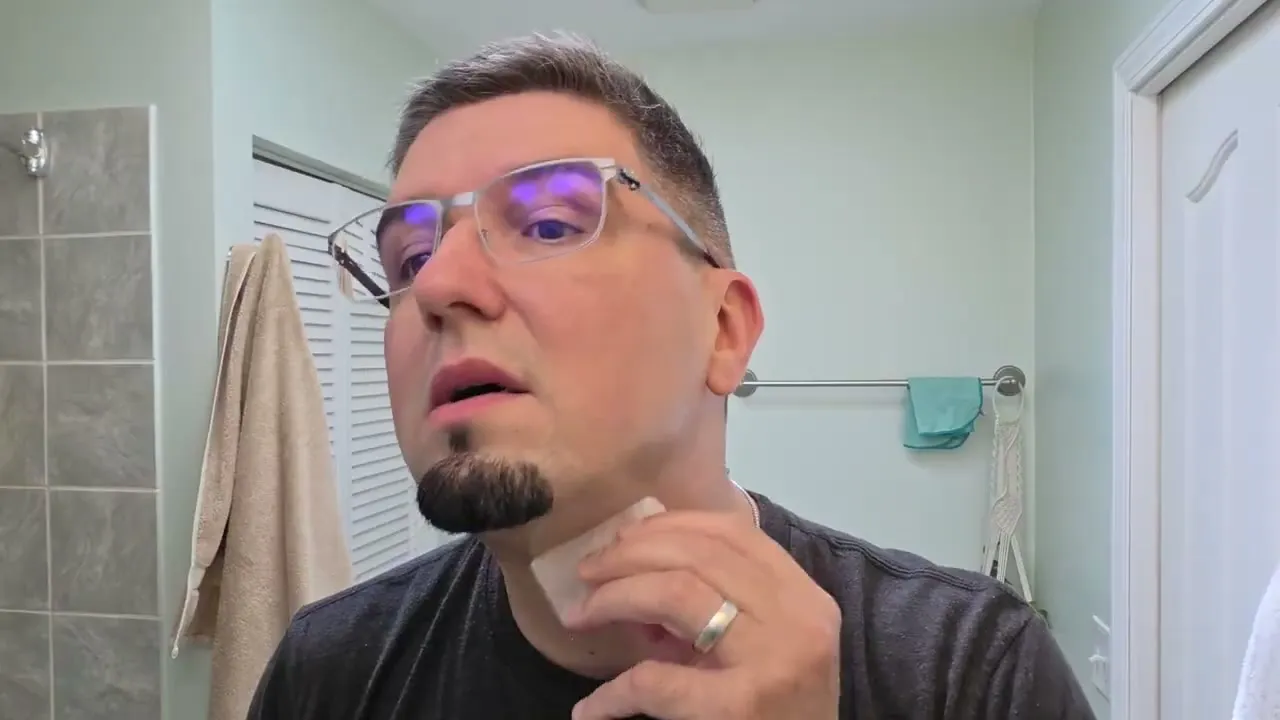
After the alum, I did a face wash with the leftover Aromique lather. Generous application, let it sit while I cleaned up the gear. For anyone who finds that alum dries out their skin, this is worth trying. The soap is full of tallow and oils, and letting it sit for a couple of minutes before rinsing brings back a nice feel. After the rinse, no irritation left.
Then the matching Aromique splash. These bottles are fantastic, by the way. Good amount of alcohol tingle, a bit more fire than some other A&E splashes I’ve used, but nothing harsh. On the lighter side of sting overall. And the scent is really good, very pleasant, a great match for the soap.
Final Thoughts
This was one of the more fun vintage shaves I’ve done, even if it wasn’t the smoothest. The offset safety bar turned it into a real investigation. Mild razor, decent efficiency, and a clear look at how fifty years of use can shift a butterfly mechanism in ways you’d never see just holding the razor.
Thanks for watching, and a big thank you to Aaron for the loan. See you in the next one.