

The Cajun Blade ACR1 Review: Great Technique Required
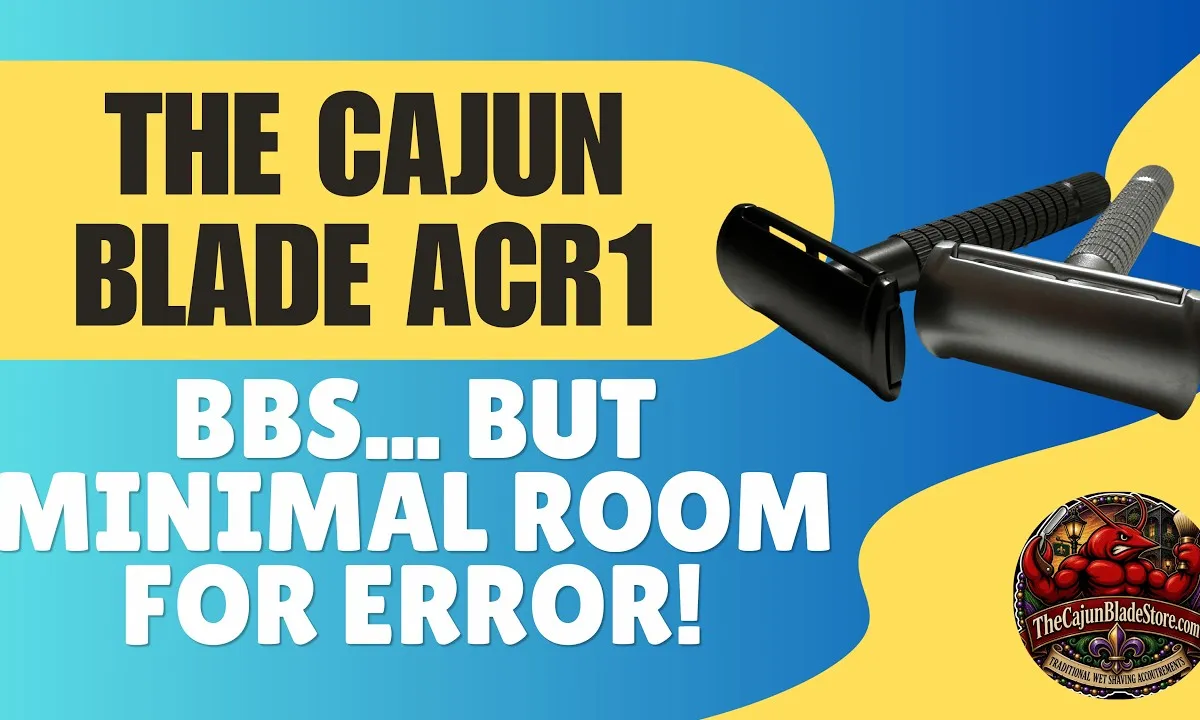
Let’s talk about confirmation bias.
You know what that is, right? It’s when you believe something to be true and then go looking for other people to validate what you already feel. It happens everywhere, including in shaving. If you love a razor, you don’t ask a friend “what do you think?” You ask “isn’t this thing great?” If you hate a soap, you lead with that when you bring it up. You’re not gathering information. You’re collecting agreement.
As a reviewer, I have to fight that. Every time.
How I Got Here
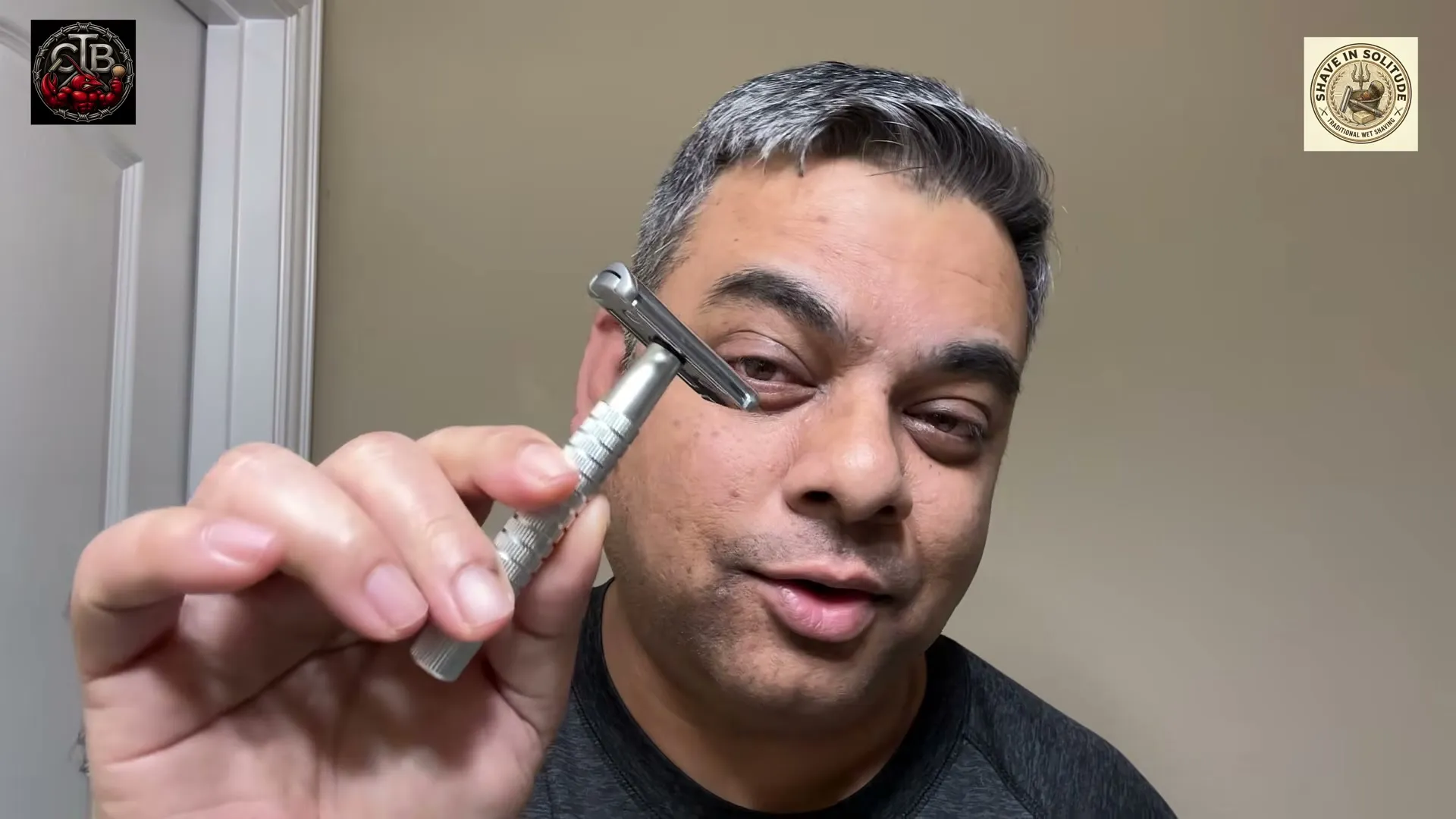
This is the ACR1 from The Cajun Blade. Eric from The Cajun Blade sent this to me for an honest review. Full transparency: I did not pay for it.
When it arrived, it gave me wonderful BBS shaves. Really clean. But I thought it was too aggressive. And then I did exactly what I told myself not to do: I reached out to the other people Eric had sent it to and fished for agreement. “Man, Eric’s new razor, it’s really difficult to use, right?” Some of them agreed. Some said no, it felt mild to them.
That should have been my signal to stop and think. Instead I kept shaving with it, kept landing on the same conclusion, and eventually told Eric I loved the razor but the blade exposure was something I had to be really careful with.
That’s when Eric’s confirmation bias came in. His customers had told him the ACR1 was mild to medium. He pushed back. Then he sent me five of these razors. Not one, not two. Five. That’s when I figured I probably had a bias problem. So I started over. I shaved with this razor every day for the past couple of weeks and I want to share what I found.
Razor Specifications
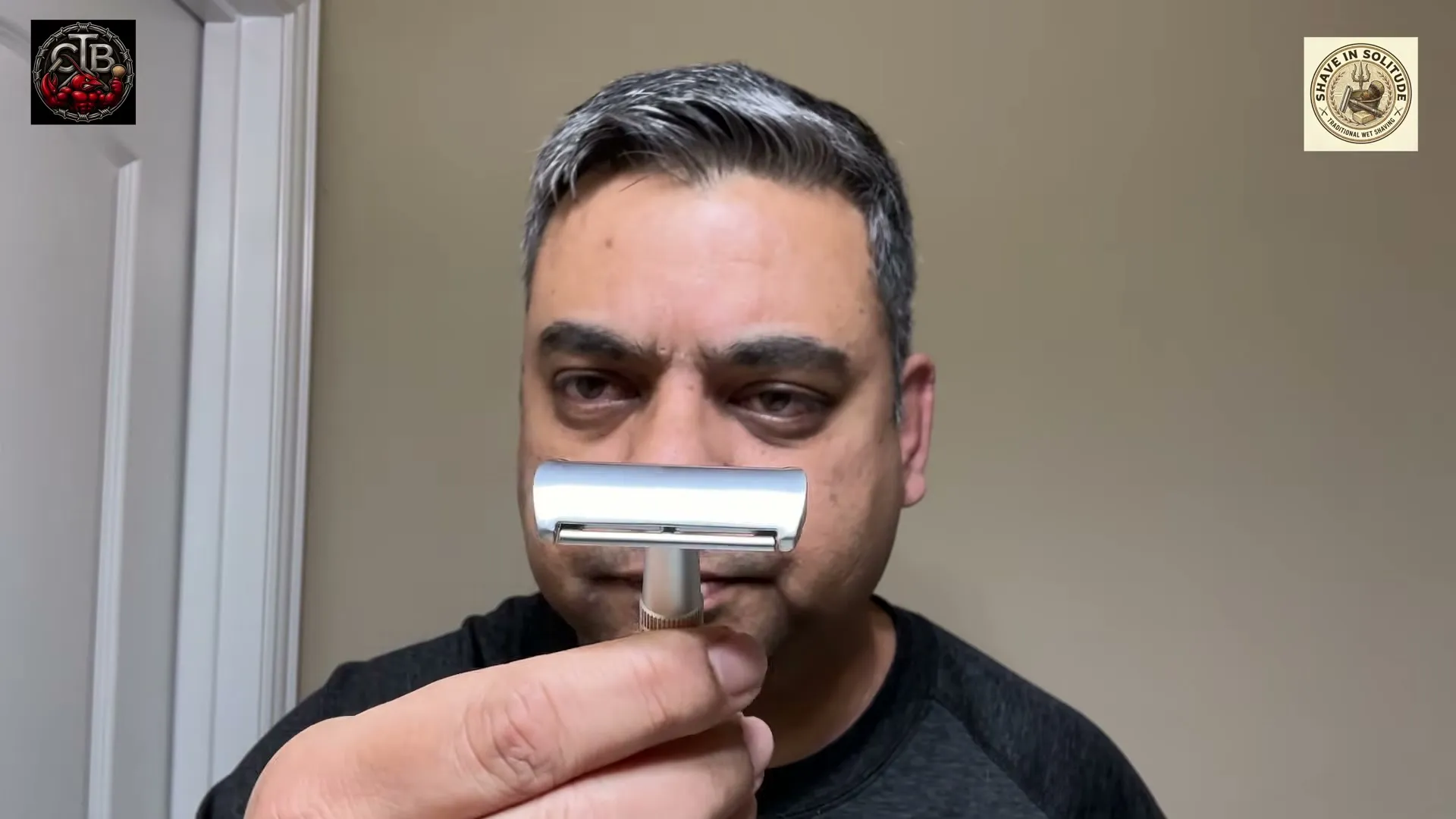
Simple version: the ACR1 is made of aluminum with a zinc alloy head, which is why the top cap runs a little heavier than you might expect. Blade exposure is positive, though Eric wasn’t able to give me specific measurements. Two color options: Gun Metal and Silver Aluminum.
Blade Exposure, and Why It Changes Everything
This is the part that’s hard to explain without showing you, but I’ll try.
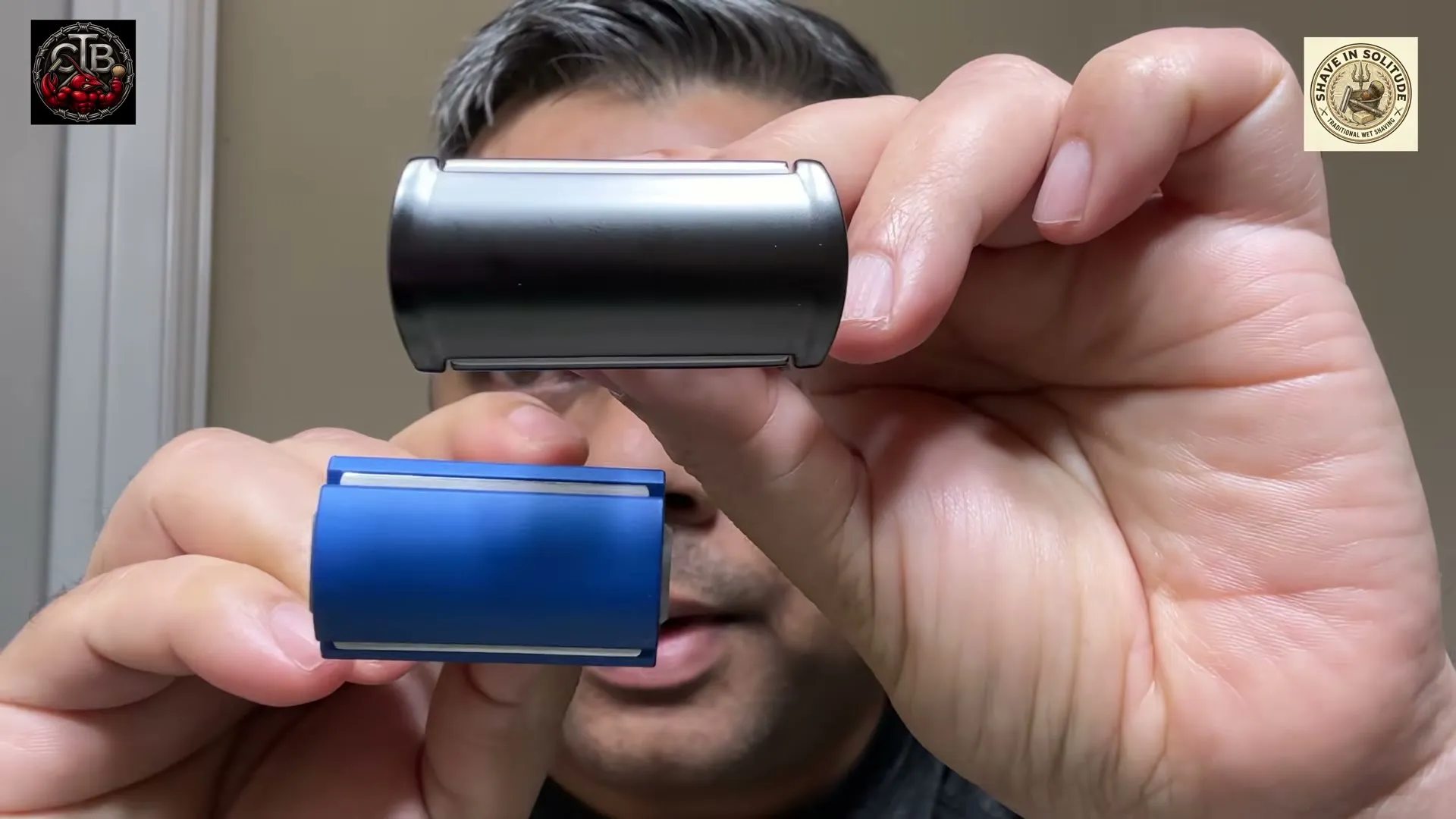
Blade exposure tells you how far the blade edge extends past the safety bar. A wider safety bar, or one with guard teeth, puts more distance between the guard and the blade edge. That distance gives you room to find your angle. When it closes up, your margin for error shrinks fast.
Look at the Merkur 34C. Beginner razor. There’s a clear overhang between where the blade ends and where the bottom cap extends. Plenty of room to work.
The Rockwell 6S on plate 6 is tighter. That’s the most aggressive setting on that razor. Still workable clearance.
Then there’s the R41. Aggressive razor, most people know it. But look at those teeth on the safety bar. Those teeth are your guard. They stop the blade from hitting your face directly. The effective clearance is larger than the bare geometry suggests.
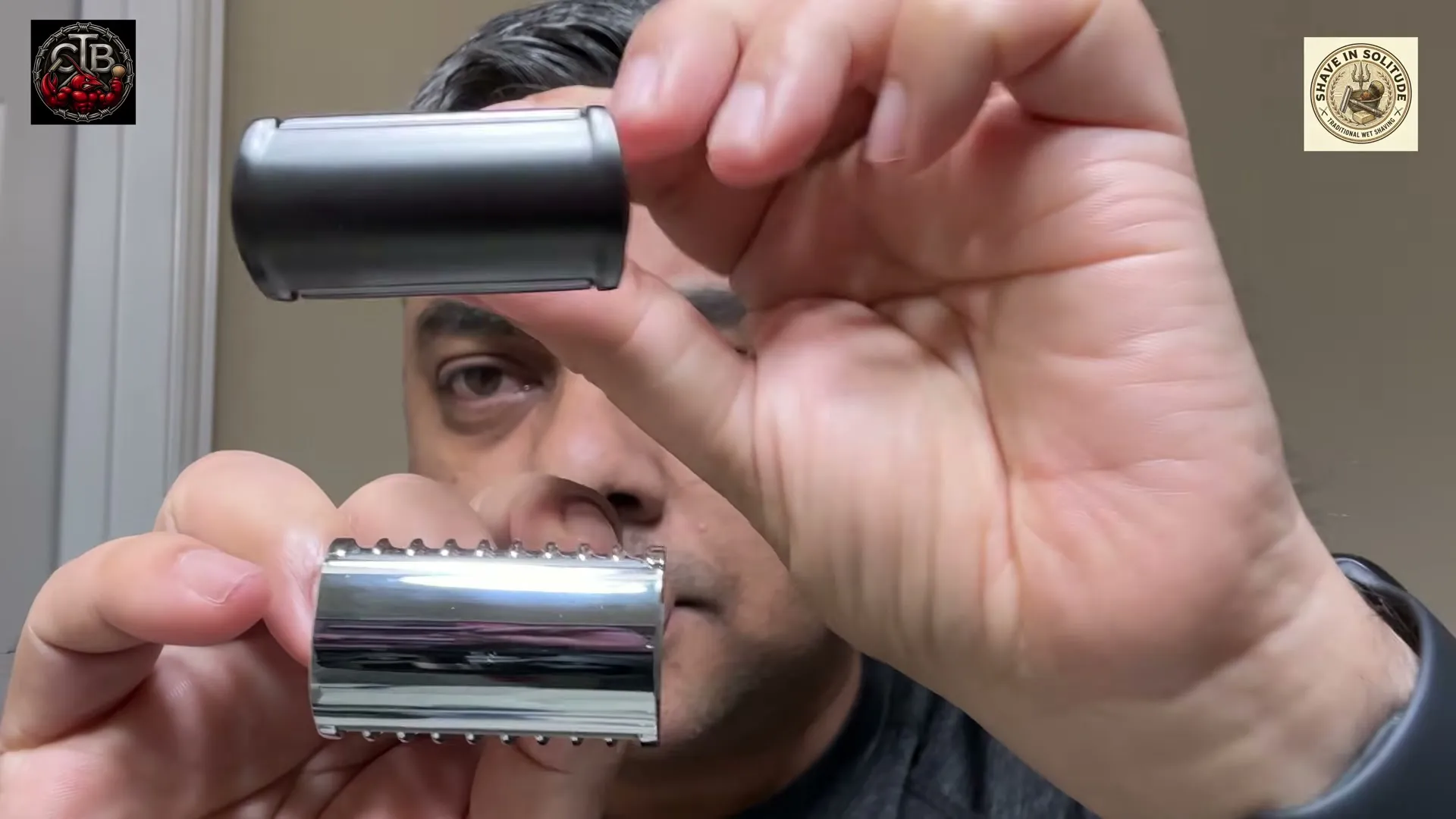
Now look at the ACR1. There is barely any gap between the blade edge and the bottom safety cap. No teeth. As soon as you tilt this razor even slightly against your face, you’re cutting. The range of motion you’d have with the 6S or the 34C just isn’t there.
What this means in practice: you need to keep the ACR1 almost completely flat and ride the apex of the blade. The apex is the very tip of the cutting edge. Riding it means keeping your angle precise enough that you’re always engaging that point, not the flat side of the blade. On a razor with more guard clearance, being a few degrees off is fine. On this one, it costs you.
Pressure matters just as much. Any extra weight on the handle and you’ll hear about it when the alum goes on.
The Shave Demo
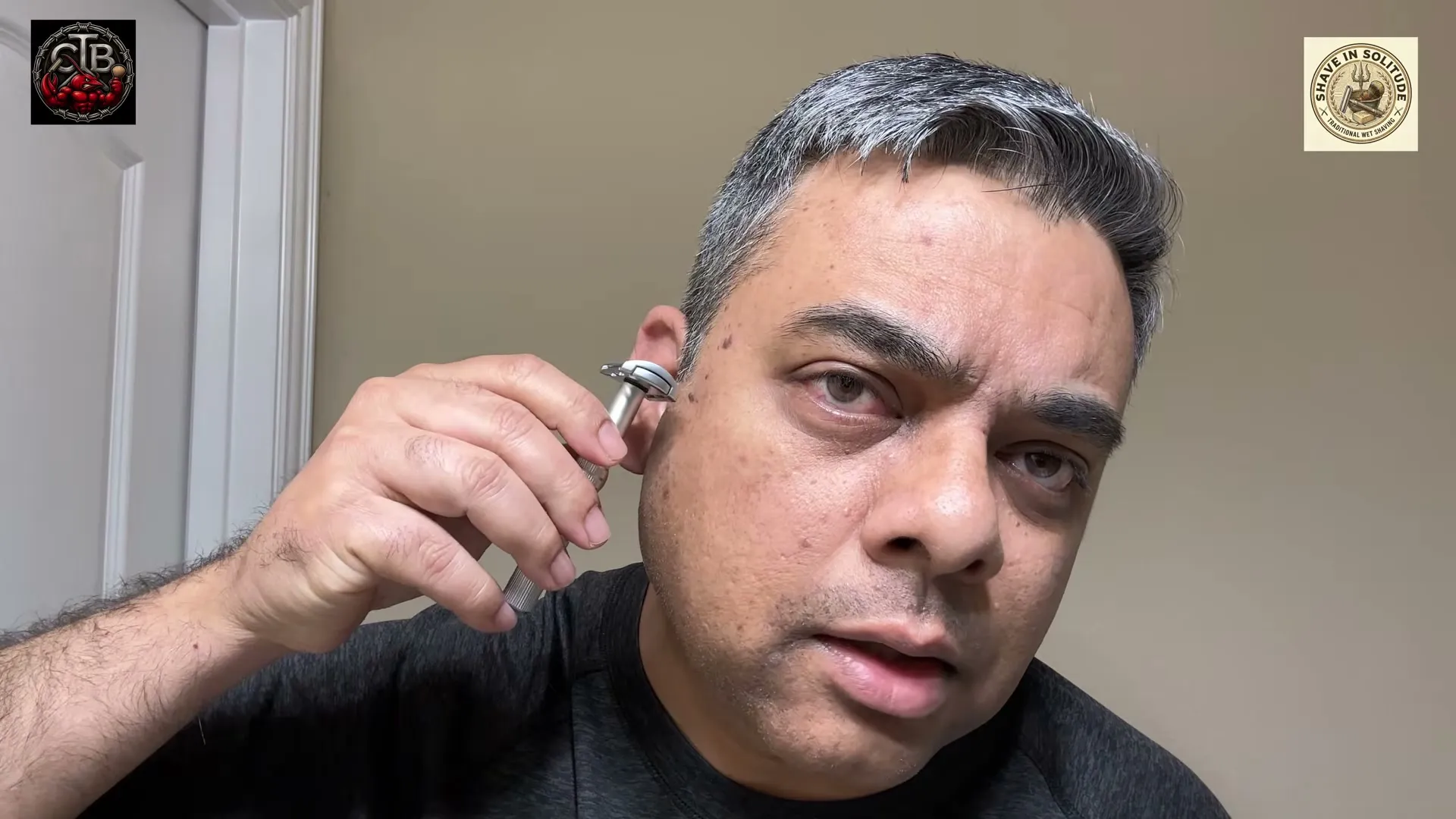
For the demonstration, I used The Cajun Blade’s own The GOAT soap (small Gentleman’s Set) and their matching splash. I shaved the right side of my face with the R41 and the left side with the ACR1, so you could compare the technique directly. About a day and a half of growth.
On the R41 side, I’m bending the handle at roughly 30 degrees, the standard approach. You can see the tilt.
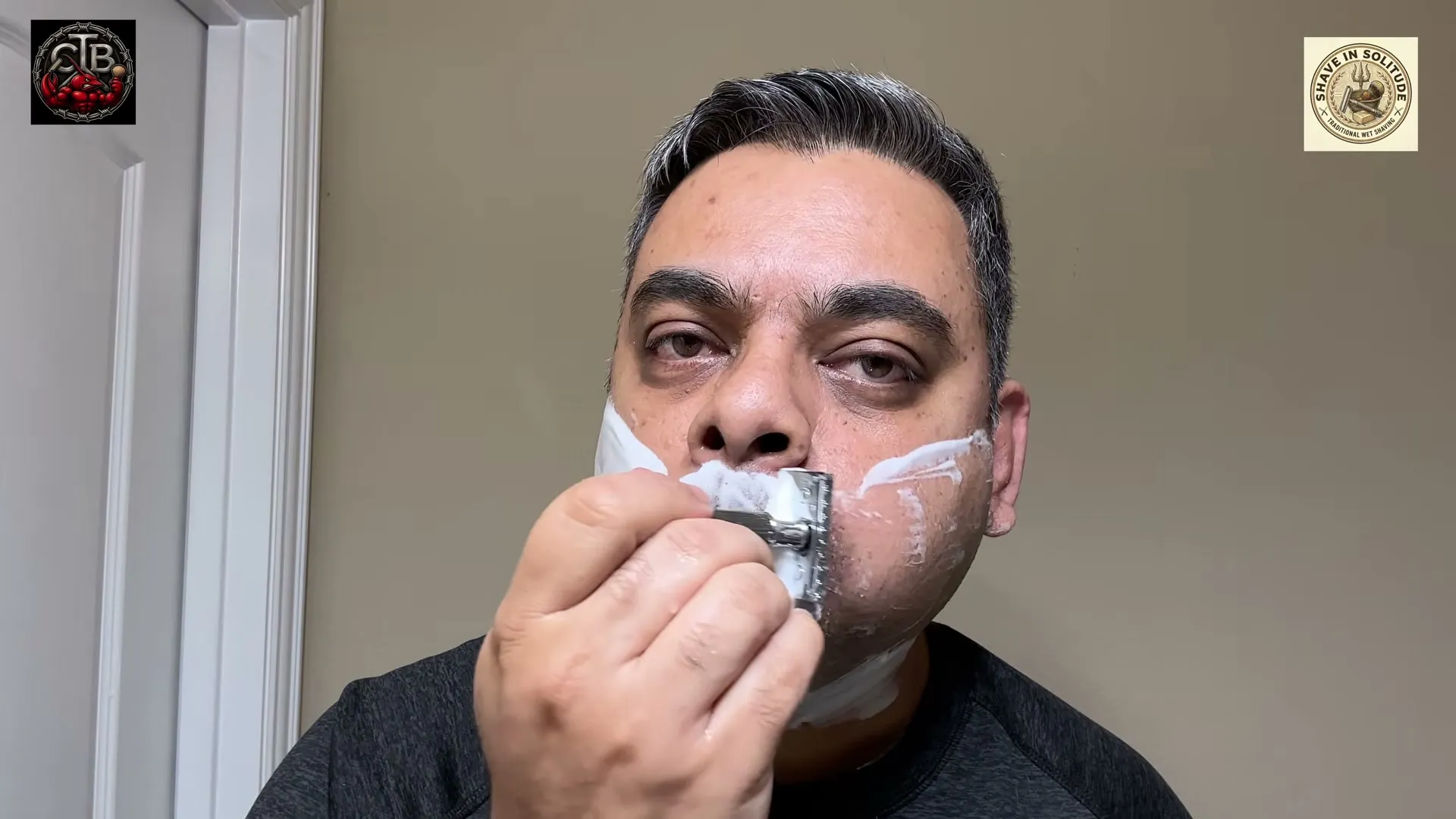
On the ACR1 side, I’m keeping the razor straight. Nearly flat against the face. Any time I tried to tilt it the way I’d normally shave, the razor engaged immediately and not in a controlled way. You can hear the cutting start as soon as any angle comes into it.
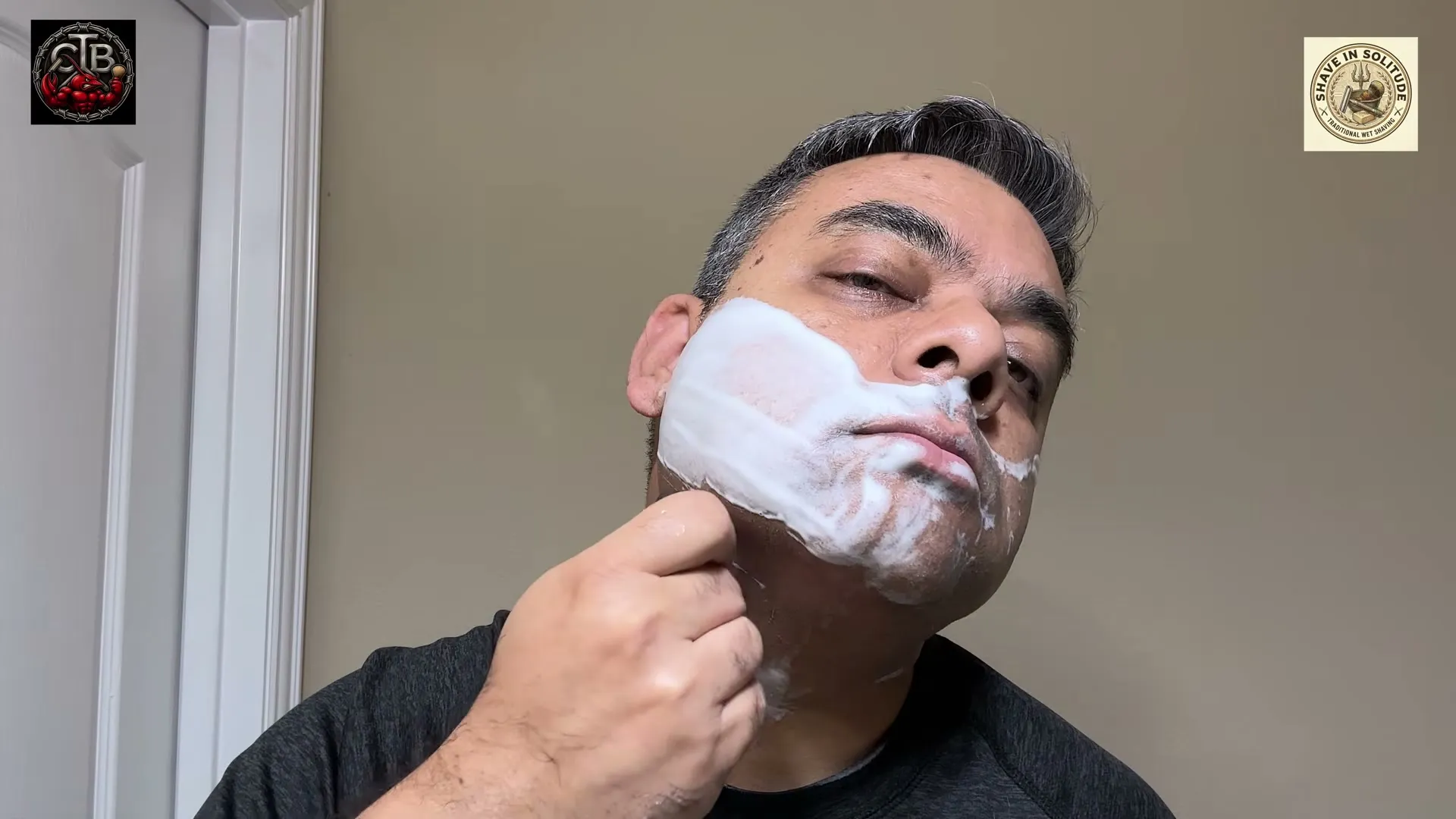
Three passes total. I added a quick fourth pass as a touchup in a few spots, particularly the upper lip. That’s where I find the most difficulty with this razor. My upper lip hair is tough anyway, but with the ACR1 the tolerance for error there is very small. You have to be precise about the angle going across that area.
What the Alum Told Me
Before I challenged my confirmation bias, before I committed to working on my technique, I was getting BBS every time. But the alum sting afterward was a 3.5 to 4 out of 5. That’s the blade catching skin.
After two weeks of deliberate practice, keeping the razor straight, riding the apex, easing off the pressure, I got the ACR1 side down to about 1 to 1.5 out of 5. Roughly the same as the R41 side. That’s a real improvement, and it tells you something important: this razor is not punishing you randomly. Technique is the variable. When you get the technique right, the results are there.
Who This Is For
Not beginners. I’m saying that clearly. You need to already understand angle and pressure, and you need enough reps under your belt to make small adjustments on the fly without thinking about it. This razor gives you no room to figure that out while you’re cutting.
Experienced shavers who want to push their technique: go for it. The ACR1 will show you exactly where your gaps are. And if you put in the work, it delivers a BBS shave as clean as anything I’ve used. Eric knew what he was building. My initial read was confirmation bias. This razor is aggressive, it demands respect, and it delivers when you get the technique right.
Thanks for watching. I’ll see you next time.