
A Short History of Gillette: How One Company Built, Ruled, and Left Wet Shaving
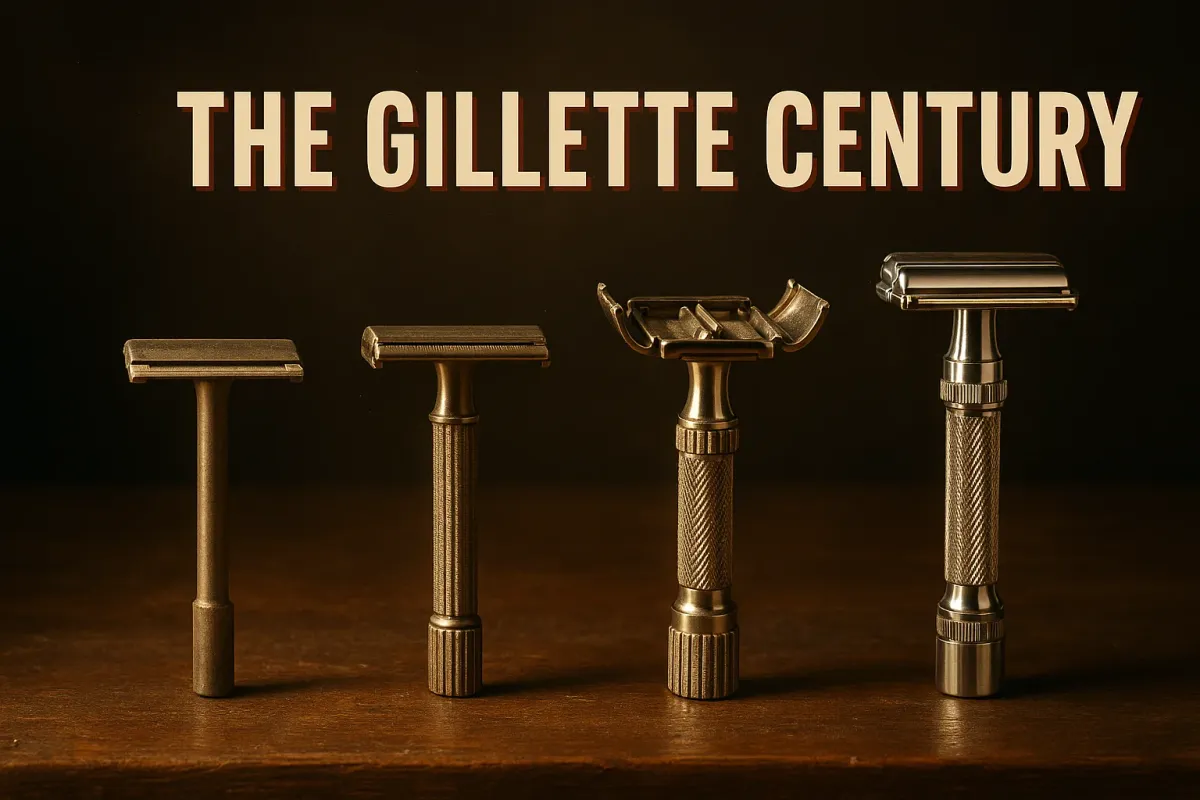
Open any estate-sale cigar box of razors and the census is lopsided: one company, over and over, across seven decades of stamped steel. That dominance was not an accident of manufacturing. It was one of the most effective business ideas of the twentieth century, and its leftovers are why vintage wet shaving is so absurdly affordable today.
The Idea: Sell the Blade, Not the Razor
King Camp Gillette, a Boston traveling salesman, spent the 1890s hunting for a product people would buy, use, and buy again. The answer he landed on was a thin stamped-steel blade sharp enough to shave and cheap enough to throw away, held in a safety frame. He founded his razor company in 1901, put razors on sale two years later, and received the patent in 1904. The business model mattered more than the metallurgy: the razor was the loyalty program and the blades were the business, a template the whole consumer economy still runs on.
The First World War made the habit universal: Gillette equipped American troops with razors, and millions of men came home wet shavers. By the 1920s the double-edge blade was simply how shaving worked.
The Golden Age Hardware
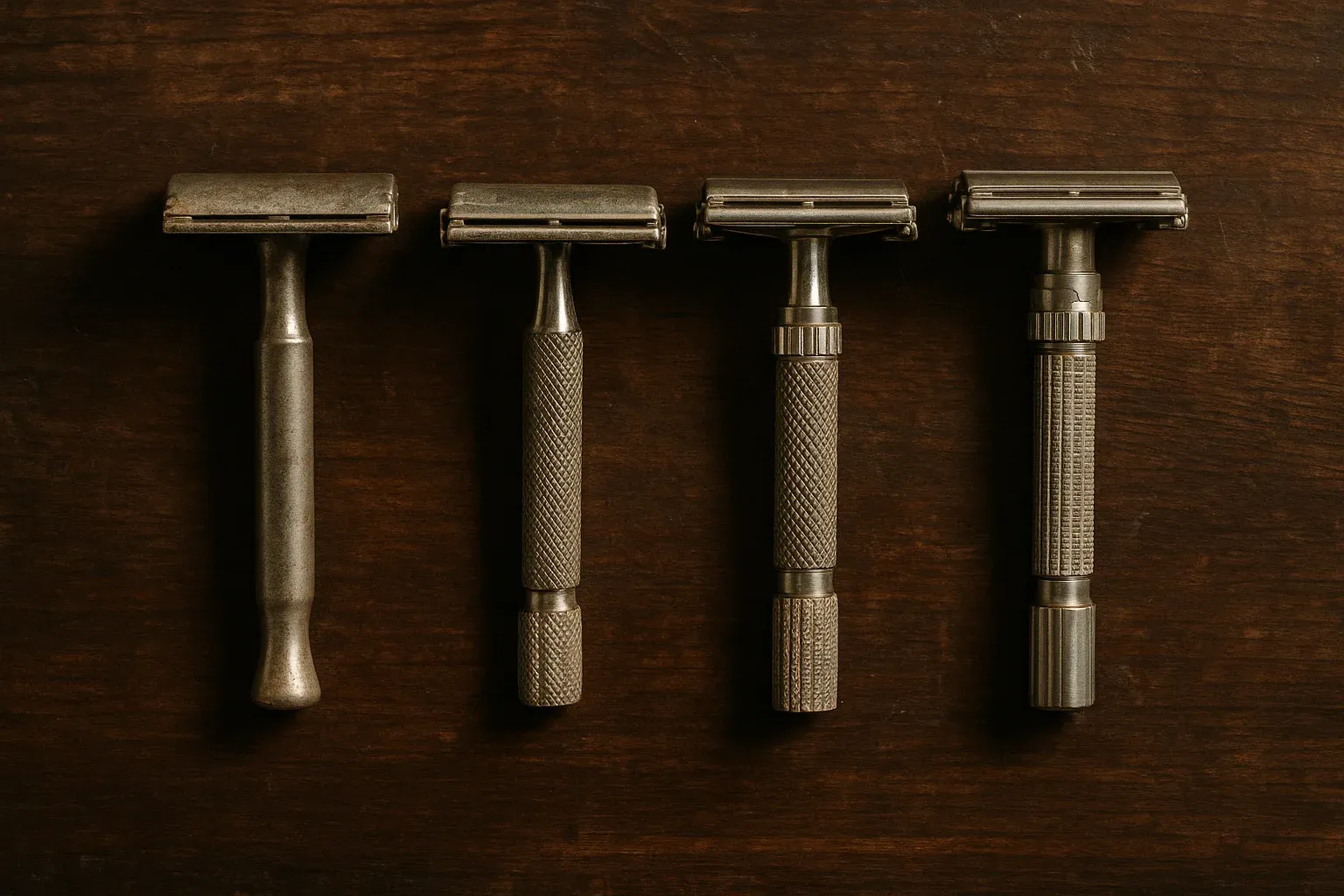
Three families of Gillette hardware define the golden age, and all three fill the vintage market today. The Gillette Tech, the three-piece introduced in the late 1930s, is the everyman: mild, indestructible, produced in numbers that keep it almost free eighty years later. The Gillette Super Speed, the postwar twist-to-open, added the butterfly-door party trick and carried the 1950s on its shoulders; the color-coded tips, including the mild Blue Tip and the punchier Gillette Red Tip, tuned the shave to the face. Every razor from this stretch carries a stamped code, so you can date yours to the quarter. Then came the engineering peak: the 1958 Gillette Fatboy put a true adjustment dial in a razor, and the trimmer Gillette Slim refined the idea through the 1960s. Our vintage field guide maps the whole family, and the modern versus vintage comparison covers what to check before adopting one.
1971: The Pivot That Ended an Era
The Trac II cartridge arrived in 1971, and the company that built the double-edge world began walking away from it. Cartridges deepened the blade-model moat: proprietary fittings, no cross-shopping, rising per-blade prices. Within a generation, the machines, the blades, and the knowledge migrated out of the mainstream, and the double edge became the hobbyist’s inheritance. The economics of that inheritance are the quiet punchline: the razors were built to last forever and made by the tens of millions, so supply still outruns collector demand for everything but the rarities. A shave-ready Tech or Super Speed remains one of the great bargains in grooming.
Why It Matters at Your Sink
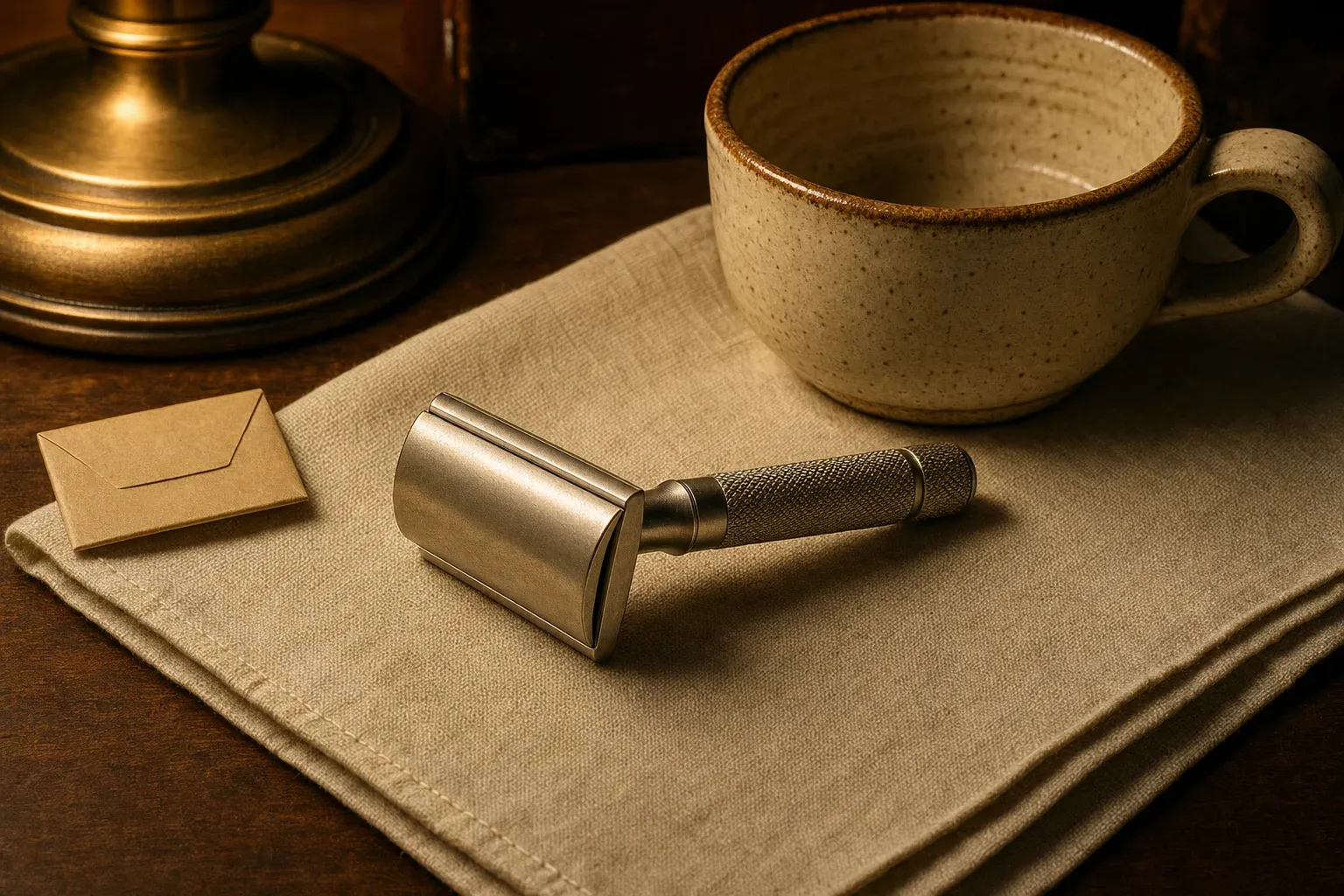
Every modern razor in the den argues with this history. Blade gap and adjustability were Gillette problems first; the aggressiveness vocabulary was written on their drawing boards. And the DE blade itself, standardized by that 1904 patent’s descendants, is why a blade stamped this year drops into a razor stamped in 1948. Few consumer standards have lasted a century. You lather up against one every morning.
Frequently asked questions
When was Gillette founded?
King Camp Gillette founded the company in 1901 in Boston, began selling razors and disposable blades in 1903, and received the safety razor patent in 1904. The razor-and-blades business model it pioneered still shapes consumer products.
Why are vintage Gillette razors so common?
Gillette dominated shaving for most of the twentieth century and built razors to last, in enormous numbers. World War issue razors and decades of dominance mean supply still exceeds demand for common models, keeping Techs and Super Speeds inexpensive.
What are the most famous vintage Gillette razors?
The Tech (a mild three-piece from the late 1930s), the Super Speed twist-to-open of the postwar decades with its color-coded tip variants, and the adjustables: the 1958 Fatboy and the slimmer 1960s Slim.
Why did Gillette stop making double edge razors?
The 1971 Trac II cartridge began the pivot to proprietary cartridge systems, which locked customers to one maker's blades. DE razors and blades gradually left the mainstream, which is exactly why the vintage supply became the wet shaving hobby's affordable foundation.
The company moved on in 1971. The hardware never did, and it is waiting in the next estate sale for twelve dollars.
Happy shaving.