Every hobby collects folklore, but shaving folklore has a special advantage: everyone shaves, so everyone’s uncle has a theory. Some of those theories are harmless. A few of them actively cause razor burn. Here are the ones we hear most in the group, checked against how hair and skin actually behave.
Myth: Shaving Makes Hair Grow Back Thicker
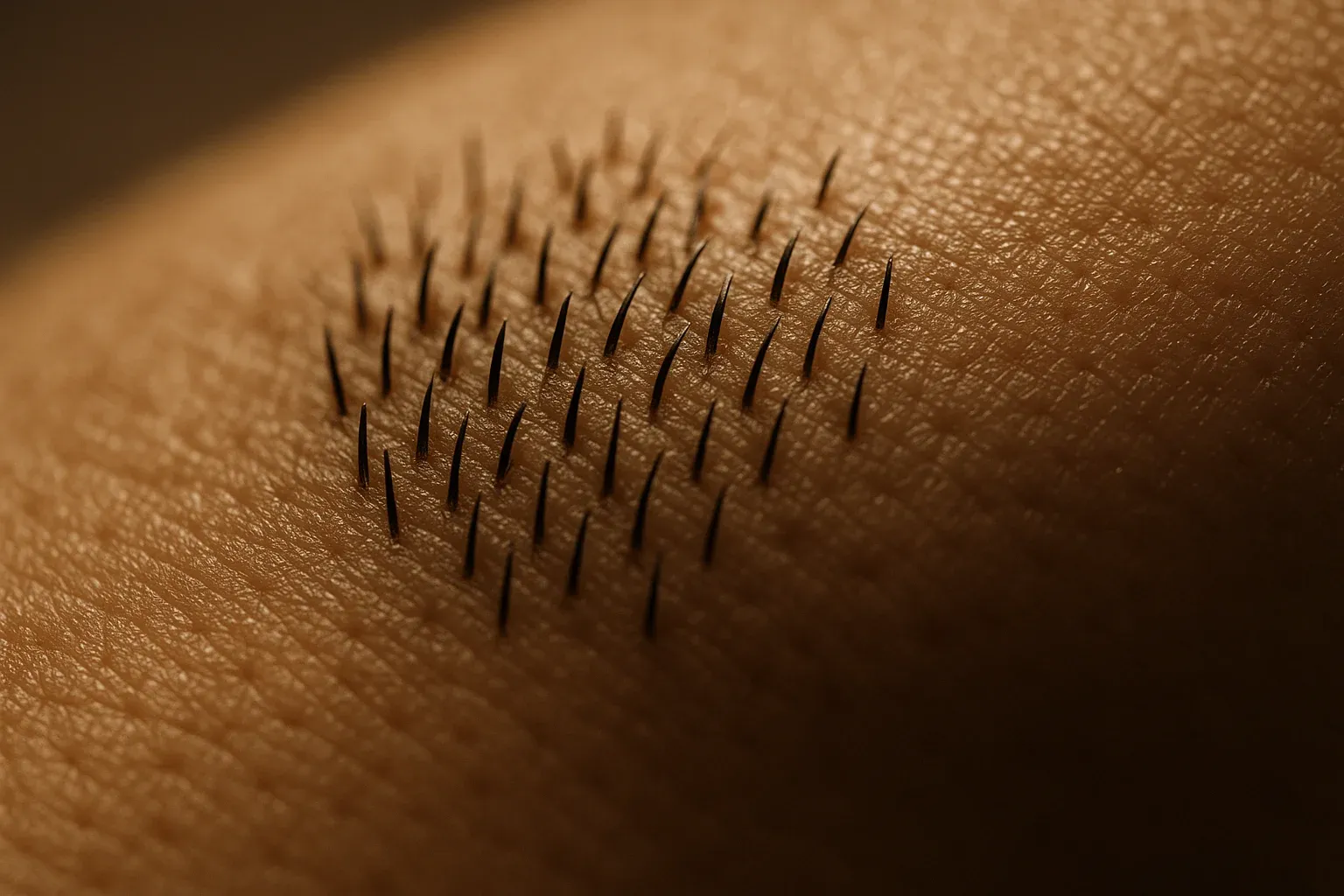
The most durable myth in grooming, and it fails on basic biology. A razor cuts the hair shaft at skin level; it does not touch the follicle below, which is the only thing that decides thickness, density, and growth rate. What changes is the tip. A naturally tapered hair feels soft; a cleanly sliced hair has a blunt end that feels stiffer as it emerges, and short dark stubble is simply more visible against skin than a fine tapered tip. It feels coarser. It is not.
Myth: A Sharper Blade Is More Dangerous
For cuts from mishandling, sure, treat every blade with respect. For the shave itself, it is close to backwards. A dull blade drags, chatters, and demands extra pressure and extra passes, which is precisely the recipe for razor burn and weepers laid out in our troubleshooting guide. A fresh, sharp blade cuts hair before it cuts corners. The community’s blade sharpness ladder exists because matching sharpness to your skin beats fearing it.
Myth: You Need Pressure to Get a Close Shave
Pressure is the single most common beginner error and the most reliable way to trade skin for closeness. A properly loaded safety razor does its work through angle and blade exposure, which is the entire subject of our aggressiveness explainer. If your shave only feels close when you press, the fix is technique or hardware, never force.
Myth: Aftershave Has to Sting to Work
The sting of an alcohol splash is alcohol doing what alcohol does. It is a legitimate, traditional finish, and plenty of us love it, but the sting is not evidence of effectiveness, and alcohol-free routines close a shave just as well. Witch hazel like Thayers ↗ Amazon does the tone-and-calm job without the bite, and the splash versus balm guide sorts the whole aisle by what your skin needs rather than by how loudly it announces itself.
Myth: Everyone Should Chase the Closest Possible Shave
The baby-smooth finish is real and achievable, and pursuing it daily is how half the group’s razor burn happens. The honest hierarchy of finishes, and why the smartest shavers deliberately stop one step short most days, is the whole argument of BBS versus DFS.
Myth: Shaving Exfoliates, So More Shaving Means Better Skin
Half true, and the half matters. A single with-the-grain pass does clear dead surface cells along with stubble, which is why a good shave leaves skin looking bright. But exfoliation is a budget your skin spends, not a bonus that scales. Stack passes and pressure and you cross from exfoliation into abrasion. Once a day is grooming; three passes twice a day is sandpaper.
What Actually Matters
Strip the folklore away and the true levers are boring and proven: preparation and lather quality (the lather guide covers both), a blade matched to your skin and changed on schedule, zero pressure, mapped grain, and a finish your skin can afford to repeat tomorrow. None of it is mystical. All of it beats your uncle’s theory.
Frequently asked questions
Does shaving make hair grow back thicker?
No. A razor cuts the hair shaft at the surface and never touches the follicle, which controls thickness and growth. Cut hairs feel stiffer because the sliced tip is blunt rather than tapered, and short stubble is more visible, but the hair itself is unchanged.
Are sharper razor blades safer or more dangerous?
For the shave itself, a sharp fresh blade is generally kinder to skin than a dull one. Dull blades drag and invite pressure and repeat passes, which cause razor burn and weepers. Handle any blade carefully, but do not fear sharpness; match it to your skin.
Does aftershave need to sting to work?
No. The sting is just alcohol. Alcohol splashes are a legitimate traditional finish, but alcohol-free options like witch hazel and balms calm and close the skin without any burn, and work just as well.
Is shaving good or bad for your skin?
A single careful pass lightly exfoliates and most skin handles daily shaving well. Problems come from pressure, repeated passes, dull blades, and chasing maximum closeness every day, which turn exfoliation into abrasion.
The myths survive because they sound like sense. Your skin, fortunately, keeps better records than your uncle.
Happy shaving.
The Shave Dad Newsletter
You're almost in.You're already in.
Your submission was successful. One quick step left to lock it in.
That email is already subscribed to the Shave Dad newsletter. You're all set, no further action needed.
SubscribeDone.
2Check your email and click the confirm buttonThe email should arrive in a couple of minutes. If you don't see it in your inbox, check your spam or junk folder.
Confirmation sent toYou're subscribed withNot the right address? Close this and sign up again.
The Shave Dad Newsletter
You're in.
Subscription confirmed. The Shave Dad Newsletter will land in your inbox about twice a month, limited drops, new reviews, and field-tested gear, no filler.
Shave Dad is supported by Google AdSense. We use cookies to show relevant ads and measure how the site performs. You can accept all, reject personalized ads (you'll still see ads, just less targeted), or read theprivacy policy first.