
Shaving Troubleshooting: Razor Burn, Nicks, Weepers, and Ingrown Hairs, Fixed
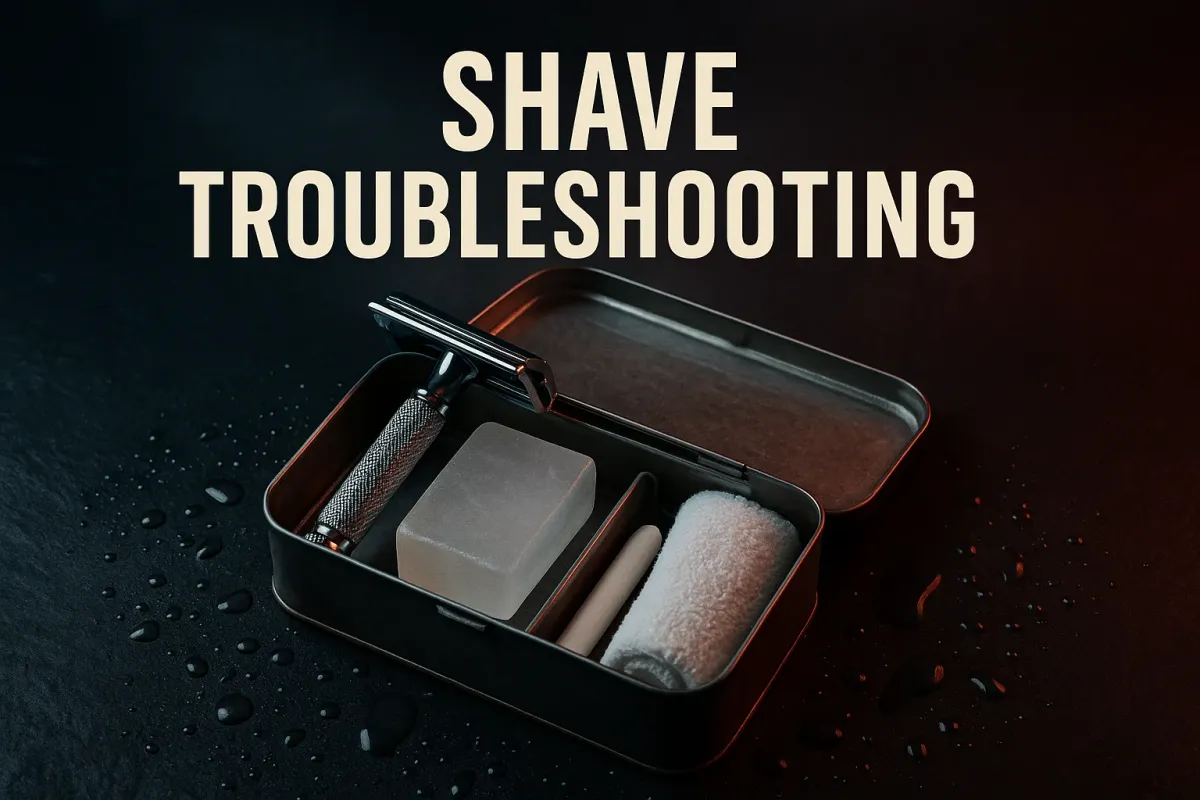
Every bad shave outcome you will ever experience sorts into four buckets, and the buckets barely overlap: razor burn is a friction problem, nicks are a control problem, weepers are a pressure problem, and ingrown hairs are a cut-angle problem that shows up days later. The reason so many people stay stuck is that they apply the fix for one bucket to a problem from another, then conclude wet shaving is not for them.
This page is the sorting hat. Find the symptom, trace its actual cause, apply the fix that matches. Each section links to the deeper guide where one exists, because this is meant to be the hub you come back to, not the last word on everything.
Razor Burn: The Friction Problem
That hot, tight, sandpapered feeling an hour after shaving is not a cut at all; it is abrasion. The blade scraped skin instead of gliding over it, and the culprits rank in a reliable order: too much pressure, too many passes, lather too dry, blade too dull, angle too steep. Work that checklist in order and burn almost always surrenders; the full razor burn guide walks each step.
The immediate fix is cold water, something soothing and alcohol-free, and a day off if you can afford it. A balm in the lane of the Supply Healing Post Shave calms the burn without the sting a splash would add. Then fix the cause, not the symptom: burn that recurs in the same spot every time is your technique leaving a signature, and our face-lathering burn post covers the case where the brush, not the blade, is the abrasive.

Nicks and Cuts: The Control Problem
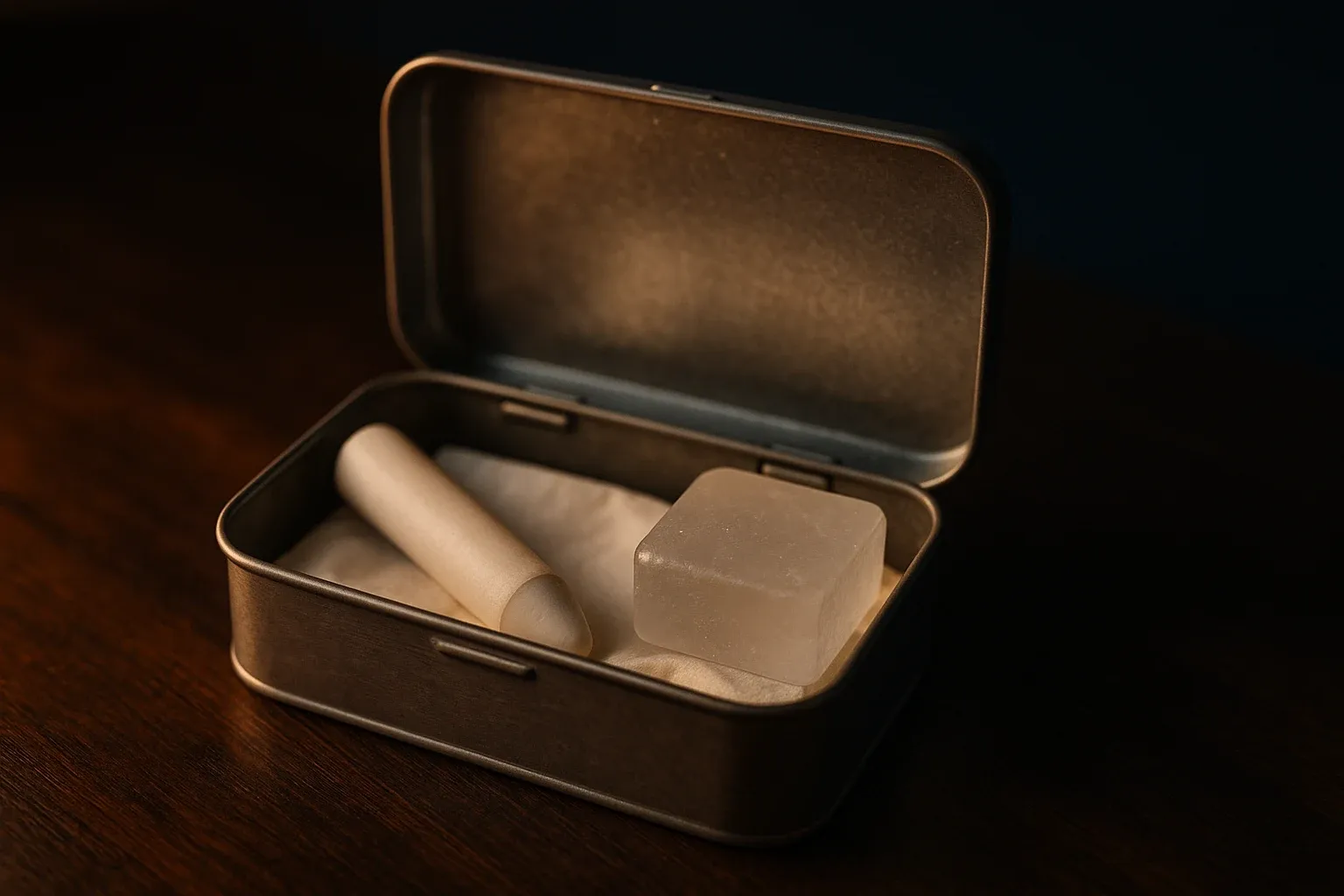
A real nick, the kind that bleeds properly, comes from a moment of lost control: a chin bump taken too fast, a corner of the blade catching, a distracted stroke. The fix is a styptic pencil: wet the tip, press it on the nick for a few seconds, done. It stings for a moment and that is the deal. Tissue dots work but you will wear them to work one day; a styptic costs about as much as a coffee and lives in the cabinet for years. The alum block is the styptic’s whole-face cousin, and either firms up minor damage.
Recurring nicks in the same place are geography: a scar ridge, a chin cleft, the jaw corner. Slow down through that terrain, shorten your strokes, and let the skin-stretching hand do more work. Our beginner technique guide covers the mechanics of stroke length and the free hand.
Weepers: The Pressure Problem
Weepers are the tiny pinpricks that raise a bead of blood without any visible cut, and they are the most misdiagnosed item in shaving. They are not small nicks. A weeper is a capillary opened by the blade pressing skin down hard enough to graze what is underneath, which is why they cluster on the neck and around the chin, where people instinctively push. If your shave produces weepers, your razor is not too sharp; your arm is too involved.
The fix is the oldest advice in wet shaving: no pressure, let the razor’s weight do the work. Rinse cold, glide the alum over the area, and the weepers close in a minute. If they persist at zero pressure, check blade freshness, and check whether you are stretching skin so tight it stands the capillaries up into the blade’s path.
Ingrown Hairs: The Delayed Problem
Ingrowns are the only bucket with a time delay: everything feels fine, then two or three days later a red bump appears with a hair curled inside it. The mechanism is a hair cut short enough and at enough of an angle that it re-enters the skin as it grows, and the risk multiplies with against-the-grain passes and with curly hair. This is the one problem that punishes closeness itself, which is why chronic ingrown sufferers should read the BBS versus DFS argument and deliberately shave less close.
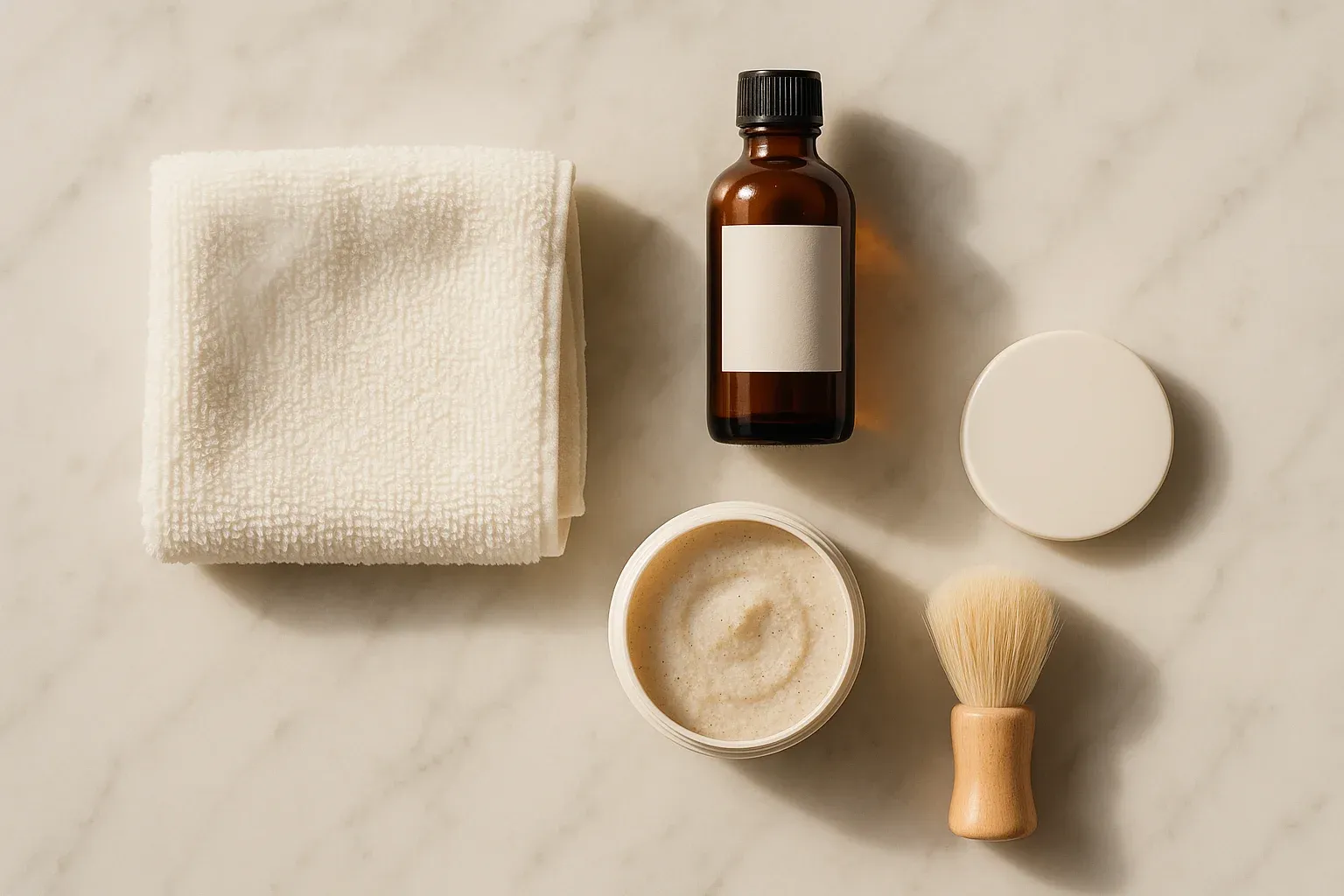
The fix is patience plus exfoliation, never tweezers: our three-step ingrown system is the full protocol. Prevention is direction discipline, mapped grain, and stopping at DFS. A targeted product like the Supply razor bump remedy helps the stubborn cases along.
The Diagnostic Cheat Sheet
Hot and tight everywhere: burn, fix friction. Bleeding from a visible line: nick, styptic, slow down. Pinprick beads, no cut: weepers, drop the pressure. Bumps days later: ingrowns, change direction and stop chasing closeness. Four buckets, four causes, four fixes, and none of them are “quit.”
Frequently asked questions
What causes razor burn?
Friction: the blade scraping skin instead of gliding. The usual culprits in order are too much pressure, too many passes over the same spot, lather that is too dry, a dull blade, and too steep an angle. It is abrasion rather than cutting, which is why it feels hot and tight rather than sharp.
How do you stop a shaving nick from bleeding?
A styptic pencil: wet the tip, press it against the nick for a few seconds. The astringent contracts the tissue and stops the bleed almost immediately, with a brief sting. An alum block does the same job more gently across a whole area.
What are weepers in shaving?
Tiny pinprick bleeds with no visible cut, caused by pressing the razor hard enough that the blade grazes capillaries through the skin. They mean too much pressure rather than too sharp a blade; shave with zero pressure and they largely disappear.
How do you prevent ingrown hairs from shaving?
Shave with the grain first and stop at a DFS rather than chasing maximum closeness, since hairs cut too short and too angled re-enter the skin as they grow. Map your grain, keep against-the-grain passes rare, exfoliate regularly, and never dig at an existing ingrown with tweezers.
Why do I keep getting cut in the same spot?
Geography. Scar ridges, the chin, and jaw corners change the terrain the blade crosses, and a stroke speed that works on flat cheek fails there. Shorten your strokes through trouble spots, slow down, and use your free hand to flatten the terrain before the blade arrives.
Happy shaving.