Every hobby has its perfect score, and wet shaving’s is BBS: baby butt smooth, no stubble detectable in any direction, verified by fingertip. It is the finish people photograph their gear over, the one that gets typed into forum posts with a little swagger.
It is also, on most faces, the most expensive finish there is. Not in money, in skin. The last five percent of smoothness costs more than the first ninety-five combined, and the wet shavers who have been at this longest are usually the ones happiest to stop short of it. This post is about that trade, so you can choose your finish on purpose instead of chasing a forum acronym.
What Each Finish Actually Means
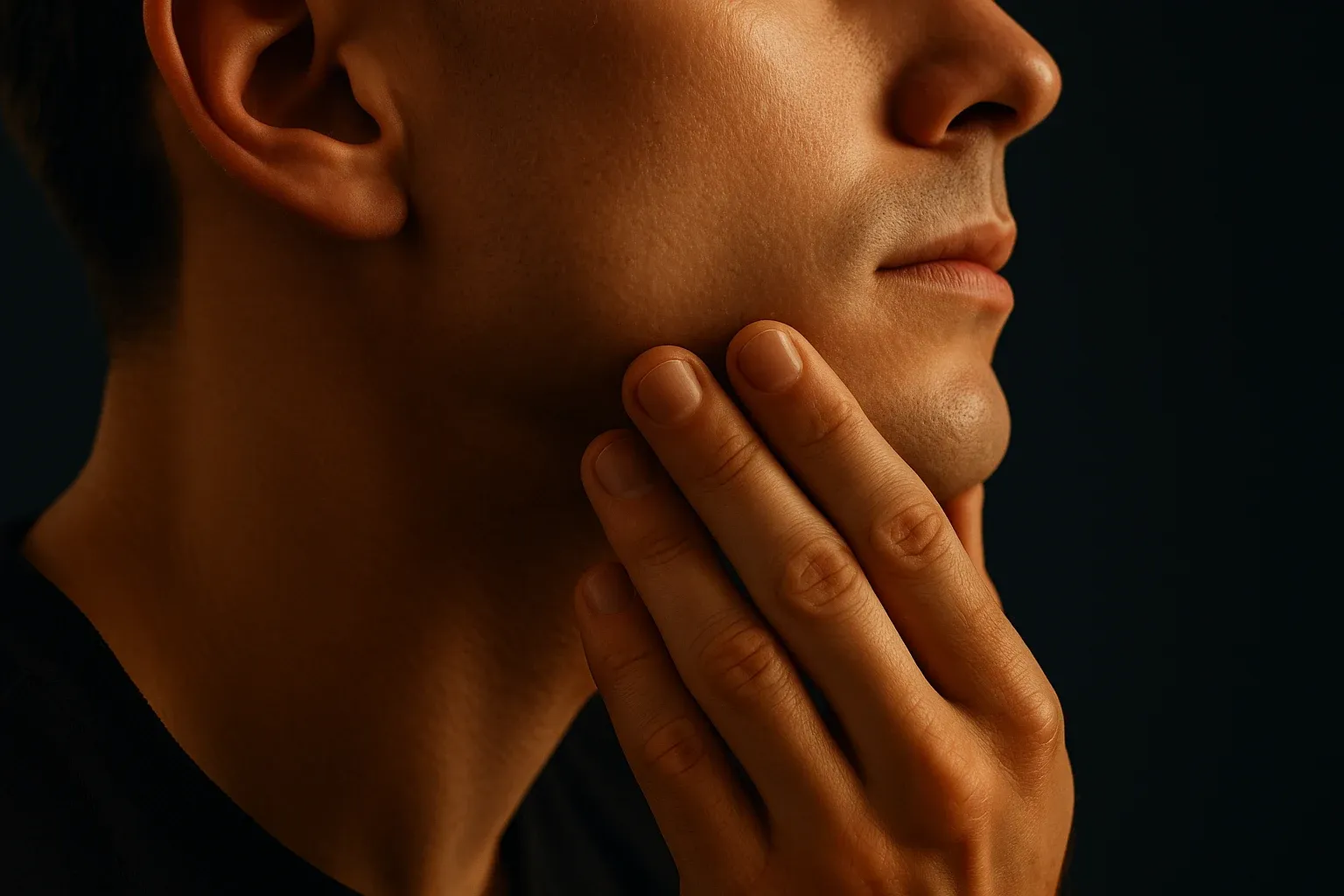
BBS is absolute: run your fingers against the grain anywhere on the shaved area and feel nothing. Not smooth-ish. Nothing. Getting there generally takes three passes plus touch-ups, with the final work happening against the grain, the direction that cuts closest and irritates most.
DFS, the damn fine shave, is one honest step down: perfectly smooth with the grain and across, with the faintest whisper detectable only against the grain, only by you, only if you go looking. Nobody who shakes your hand or sits across a desk from you can tell a DFS from a BBS. Time gap: often just a few minutes. Skin gap: significant.
Below those sits the SAS, the socially acceptable shave, which is exactly what it sounds like and a perfectly respectable place to land on a busy Tuesday.
The Case Against Daily BBS
The blade does not know when the stubble stops. Every buffing stroke and third-pass touch-up that pursues those last invisible hairs is also planing away the top layer of your skin, and skin keeps score. Do it daily and the ledger shows up as razor burn, tightness, and the patchy redness our razor burn guide exists to fix. The pursuit also front-loads risk exactly where your grain swirls, which for most people means the neck, the area least able to afford it. Weepers on the neck often come from a BBS chase that went one stroke too far.
There is a reason the phrase “chasing the baby” gets used with a wink in the group. Everyone has done it. Most people learn to stop.
How to Verify a Finish Honestly
The fingertip test only counts against the grain; anything feels smooth going down. Check the trouble spots where grain changes direction: the jawline corners, the chin, the hollow of the neck. And check at the right time: right after the shave, everything feels smoother than it is because the skin is slightly swollen from warm water. The honest read comes an hour later.
The other verifier is the alum block. Alum stings where the shave was rough, which makes it the perfect audit of what a BBS attempt actually cost: a BBS with a silent alum report is mastery, and a BBS that lights up your whole neck was really a DFS plus a chemical peel. Alum is how you learn the difference between smooth and stripped.
When BBS Is Worth It
None of this means never. A wedding, an interview, date night, any day that ends in photographs: go get the baby. The point is that BBS should be an occasion finish, planned for, with skin that has had a rest day and a fresh blade in the razor. The full technique run-up, grain mapping, proper passes, no pressure, is covered across the three-pass guide and the beginner pillar.
For every other day, DFS is not a consolation prize. It is the professional’s finish: indistinguishable to the world, sustainable for your skin, and repeatable every single morning without a recovery day. The best shave is not the closest one; it is the closest one you can do again tomorrow.
Frequently asked questions
What does BBS mean in shaving?
Baby butt smooth: the perfectionist finish where fingertips detect no stubble in any direction, including against the grain. It typically requires three passes plus against-the-grain touch-ups, which is why it is the most skin-expensive finish to produce.
What is a DFS?
A damn fine shave: perfectly smooth with and across the grain, with only the faintest trace detectable against the grain by the shaver themselves. Visually and socially it is indistinguishable from BBS, at a fraction of the irritation cost, which is why experienced shavers target it daily.
Is it bad to get a BBS shave every day?
For most skin, yes. The against-the-grain passes and buffing that produce BBS also exfoliate the top layer of skin, and doing that daily accumulates into razor burn, tightness, and redness. Treat BBS as an occasion finish and DFS as the daily standard.
How do you check for a BBS shave?
Run clean fingertips against the grain across the trouble spots: jawline corners, chin, and the hollows of the neck, ideally an hour after shaving when post-shave swelling has settled. An alum block is the honest auditor: it stings wherever the closeness was bought with skin.
How many passes does a BBS shave take?
Usually a full three-pass shave (with, across, then against the grain) plus targeted touch-ups on stubborn spots. More passes than that trades skin for vanishingly small gains; if BBS regularly needs four or more passes, the fix is technique or blade freshness, not more passes.
Happy shaving.
The Shave Dad Newsletter
You're almost in.You're already in.
Your submission was successful. One quick step left to lock it in.
That email is already subscribed to the Shave Dad newsletter. You're all set, no further action needed.
SubscribeDone.
2Check your email and click the confirm buttonThe email should arrive in a couple of minutes. If you don't see it in your inbox, check your spam or junk folder.
Confirmation sent toYou're subscribed withNot the right address? Close this and sign up again.
The Shave Dad Newsletter
You're in.
Subscription confirmed. The Shave Dad Newsletter will land in your inbox about twice a month, limited drops, new reviews, and field-tested gear, no filler.
Shave Dad is supported by Google AdSense. We use cookies to show relevant ads and measure how the site performs. You can accept all, reject personalized ads (you'll still see ads, just less targeted), or read theprivacy policy first.