

Modern vs Vintage Safety Razors: Which Should You Actually Shave With?
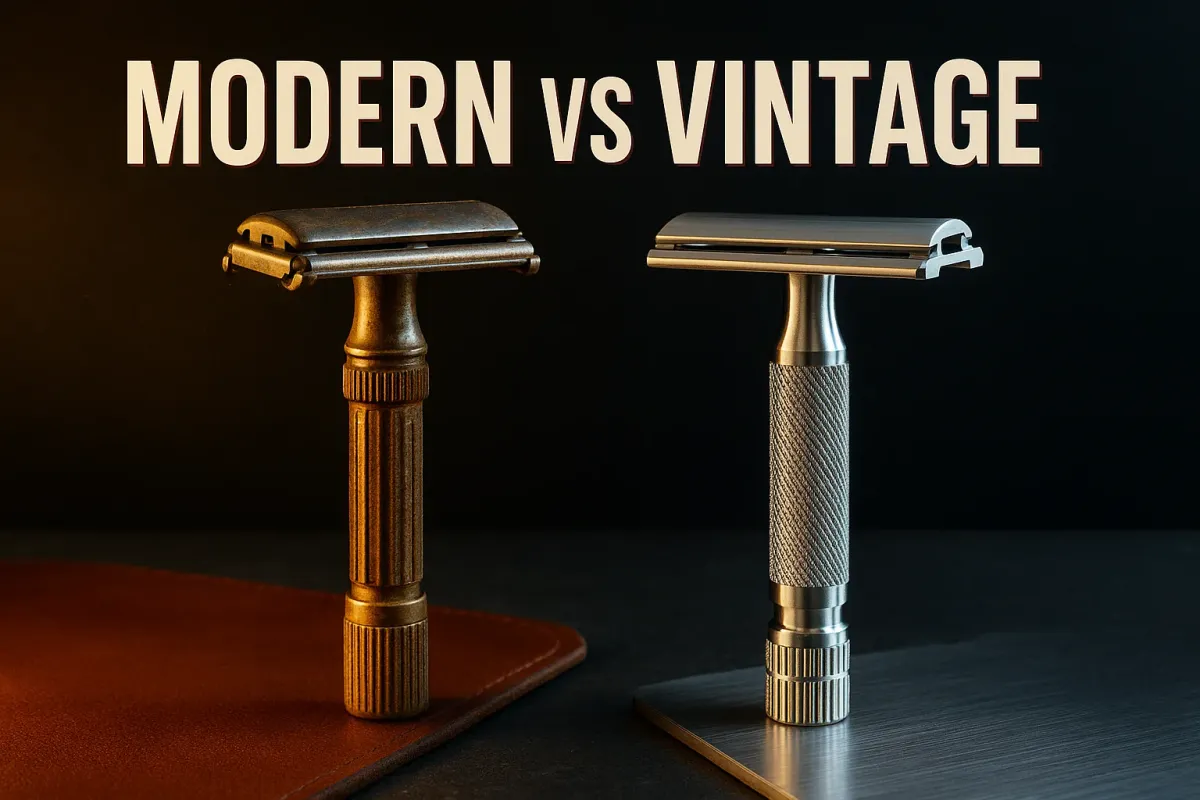
Every den eventually holds the debate: the modern razor, machined this decade with tolerances a watchmaker would respect, versus the vintage one, stamped when your grandfather was young, right down to the quarter, and still shaving like it has something to prove. Both sides are right, which is what makes it a good debate. Here is the honest scorecard.
Where Modern Wins
Consistency, first and always. A current machined razor, whether a Rockwell or a Game Changer or the eternal Merkur 34C, holds its blade exactly where the drawings say, every example identical. You are not gambling on seven decades of drops and doorframes. Materials are the second win: modern stainless will not care about water for the rest of your life, while vintage plating wears through eventually. And there is the boring virtue of recourse: warranties, spare plates, a manufacturer that answers email. For a first razor, those wins stack up, which is why the starter kit points new shavers modern.
Where Vintage Wins
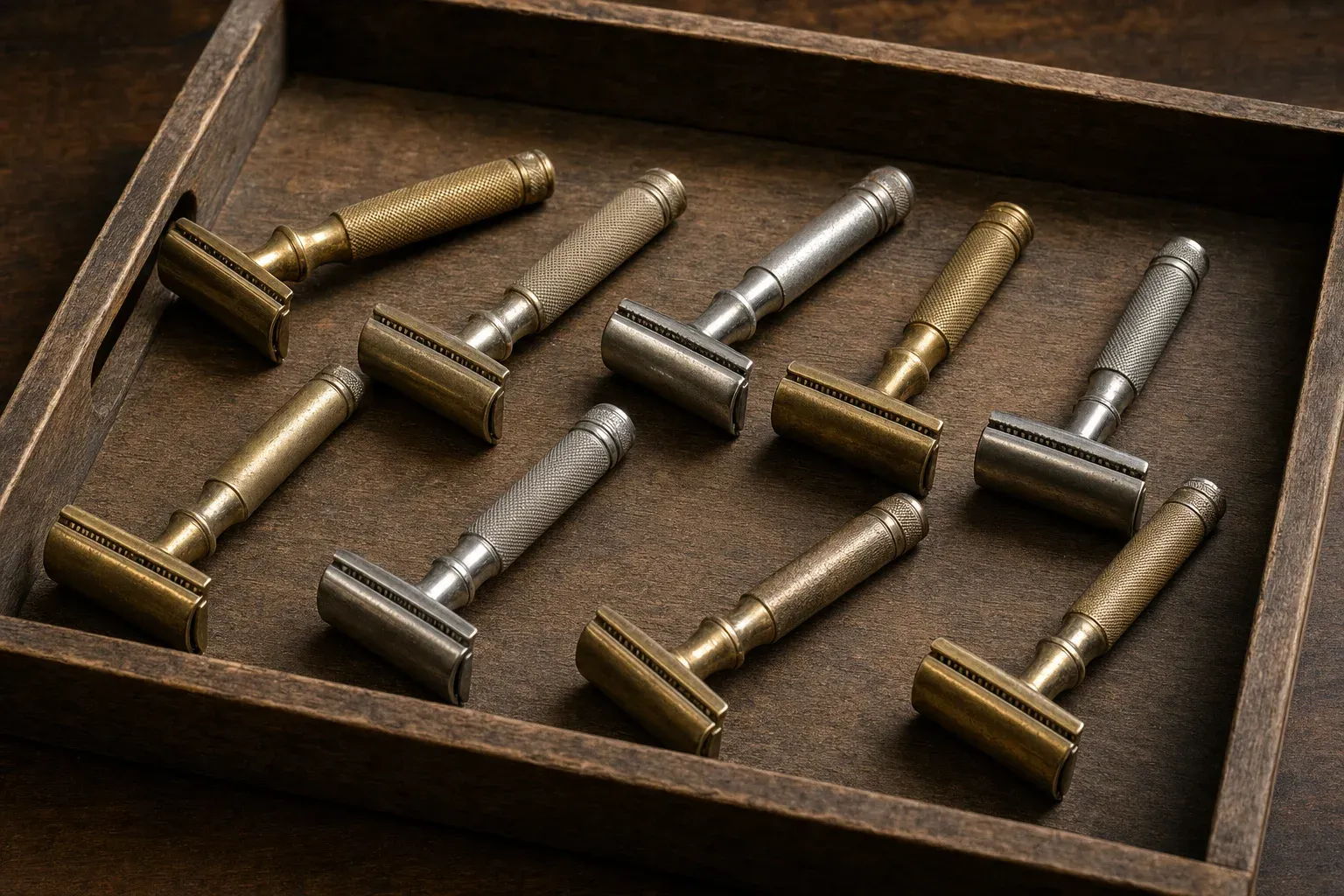
Character is the obvious answer and the least of it. The practical case: a vintage Gillette Tech or Gillette Super Speed routinely costs less than lunch and shaves beautifully, making the used market the cheapest path to a genuinely excellent razor that exists. History is standing in your hand: the click of a twist-to-open Super Speed is the exact sound millions of mornings made in 1955. And the adjustables, the Gillette Fatboy and Gillette Slim, remain marvels, dial mechanisms so good the modern industry took decades to answer them. Our vintage field guide walks the whole family tree, and the group’s estate-sale finds keep proving the supply has not run out.
The Buyer’s Checklist for Going Vintage
Four checks separate a bargain from a paperweight. Alignment: assembled with a blade, the edge should sit even along both sides; a warped head shaves crooked forever. Mechanism: twist-to-open doors should open smoothly and seat fully; adjustable dials should turn through their range without grinding. Plating: honest brassing is cosmetic, but flaking or pitting on the head touches your face. Threads: cross-threaded or stripped handles are the classic hidden flaw. Photos answer most of this; a seller’s willingness to show the razor open answers the rest. Then give any arrival the full deep clean before it earns a blade.
The Real Answer
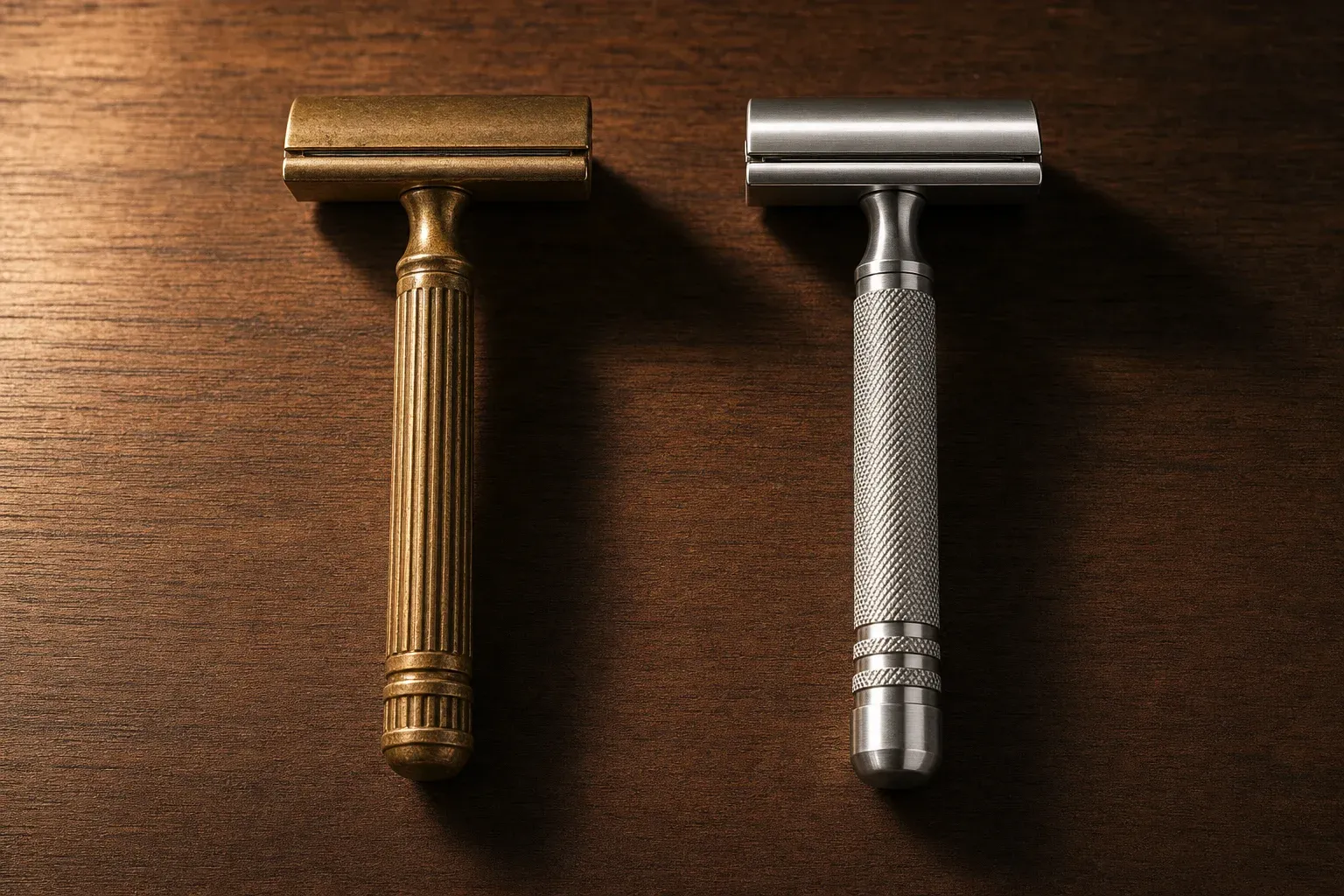
Shave with modern, collect vintage, and let the two argue on your shelf. A modern daily driver gives you the consistency that builds technique; a twelve-dollar Tech gives you the perspective of eighty years. Most of the group ends up here eventually, usually by accident, always without regret.
Frequently asked questions
Are vintage safety razors as good as modern ones?
The good ones, absolutely. A clean Gillette Tech or Super Speed shaves comparably to modern mild razors, and vintage adjustables remain excellent. What vintage gives up is consistency between examples, modern materials, and any warranty; each old razor is its own lottery ticket, which is why inspection matters.
What should I check before buying a vintage razor?
Four things: blade alignment (even edge on both sides when assembled), mechanism function (doors open fully, dials turn smoothly), plating condition on the head (wear is fine, flaking is not), and clean handle threads. Then deep clean it before first use.
What is the best vintage razor for a beginner?
The Gillette Tech is the classic answer: mild, simple, abundant, and cheap. The Super Speed adds the twist-to-open party trick for a little more. Both cost less than most new razors and forgive learning technique.
Should my first safety razor be modern or vintage?
Modern, narrowly. A current razor removes the condition lottery while you learn what good feels like. Once your technique is stable, a vintage Tech or Super Speed is the cheapest excellent second razor in the hobby.
The modern razor is the better tool the day you buy it. The vintage one has been the better story for seventy years. A complete den needs both arguments.
Happy shaving.