

Pre-Shave vs Post-Shave: What Each Step Actually Does
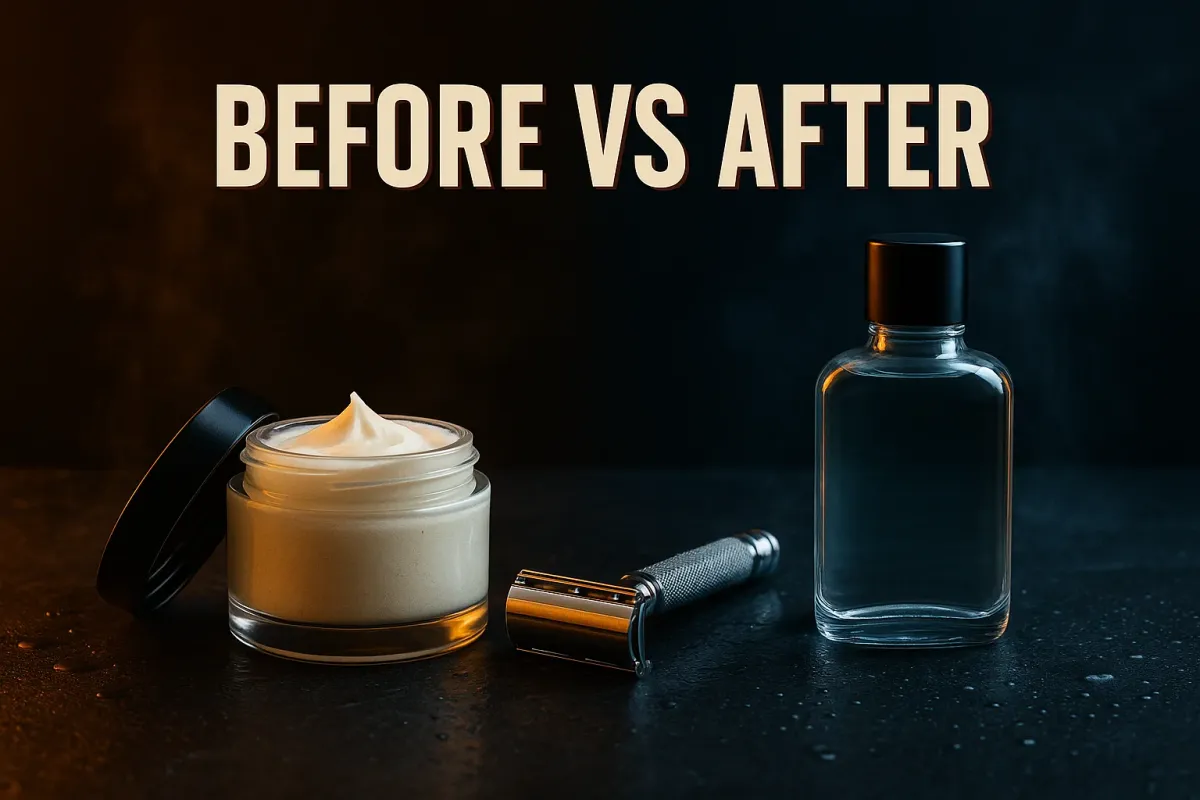
Walk the aisle and you will find pre-shave oils, creams, gels, tonics, and post-shave splashes, balms, lotions, and serums, all promising the perfect shave. Here is the frame that sorts the whole shelf: everything before the blade determines how the shave goes; everything after determines how your skin recovers from it. Different jobs, different products, and a clear answer on where your money works hardest.
What Pre-Shave Actually Does
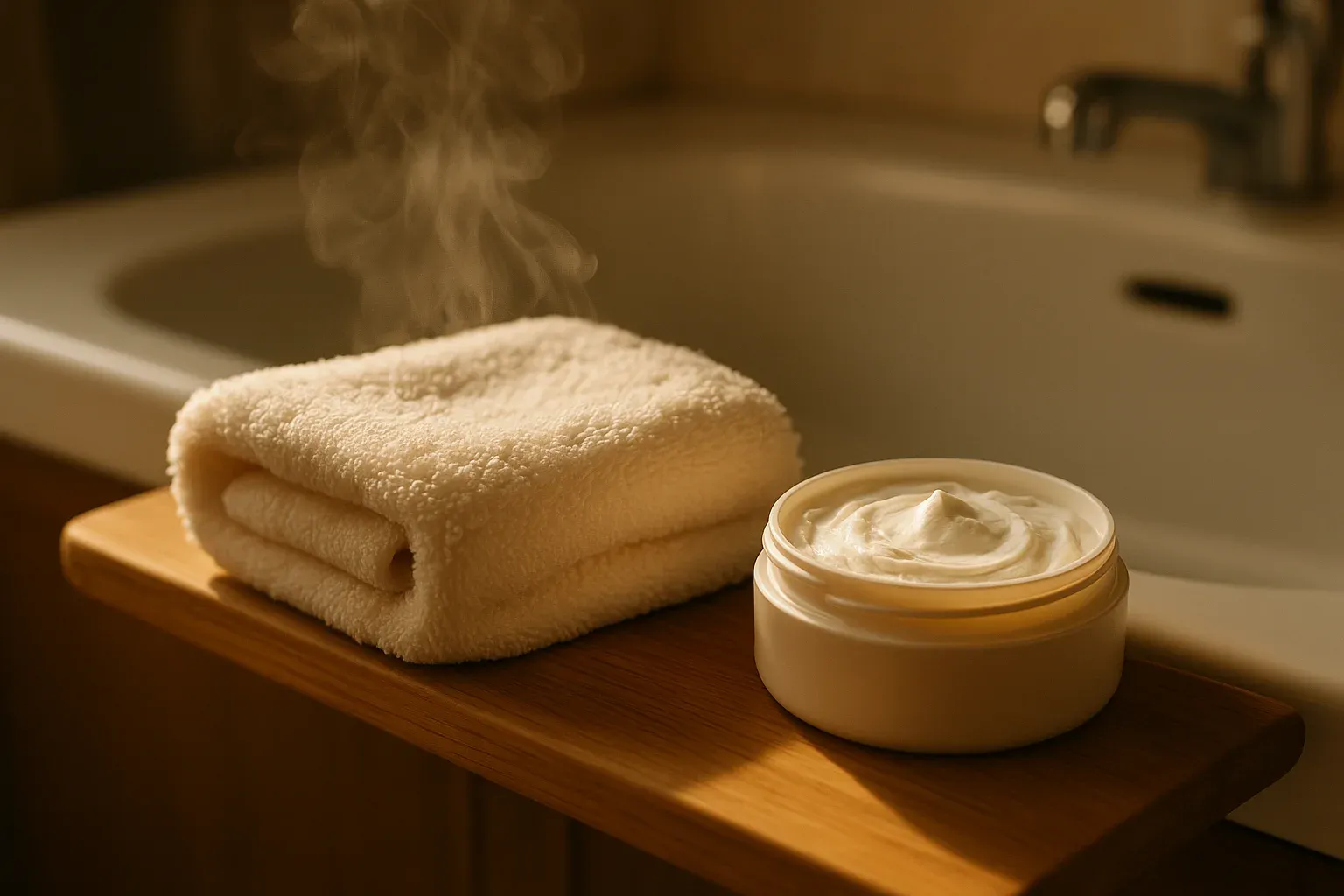
Hair is remarkably tough when dry and remarkably compliant when saturated with warm water. Every legitimate pre-shave step exists to soften hair and cushion skin: the shower before shaving, the warm rinse at the sink, and above all the lather itself, whose entire chemistry is preparation, as the lather guide lays out. Do those and you have done most of what preparation can do.
Dedicated pre-shave products refine the margin. A pre-shave cream like the classic Proraso Pre-Shave adds slip and a cooling cue that many faces genuinely feel; the RazoRock Pre Shave does the same job in the value lane. They earn their place most on coarse beards, sensitive skin, and cold dry mornings. What no tub can do is compensate for a rushed lather or a dull blade; pre-shave is a multiplier, not a rescue.
What Post-Shave Actually Does
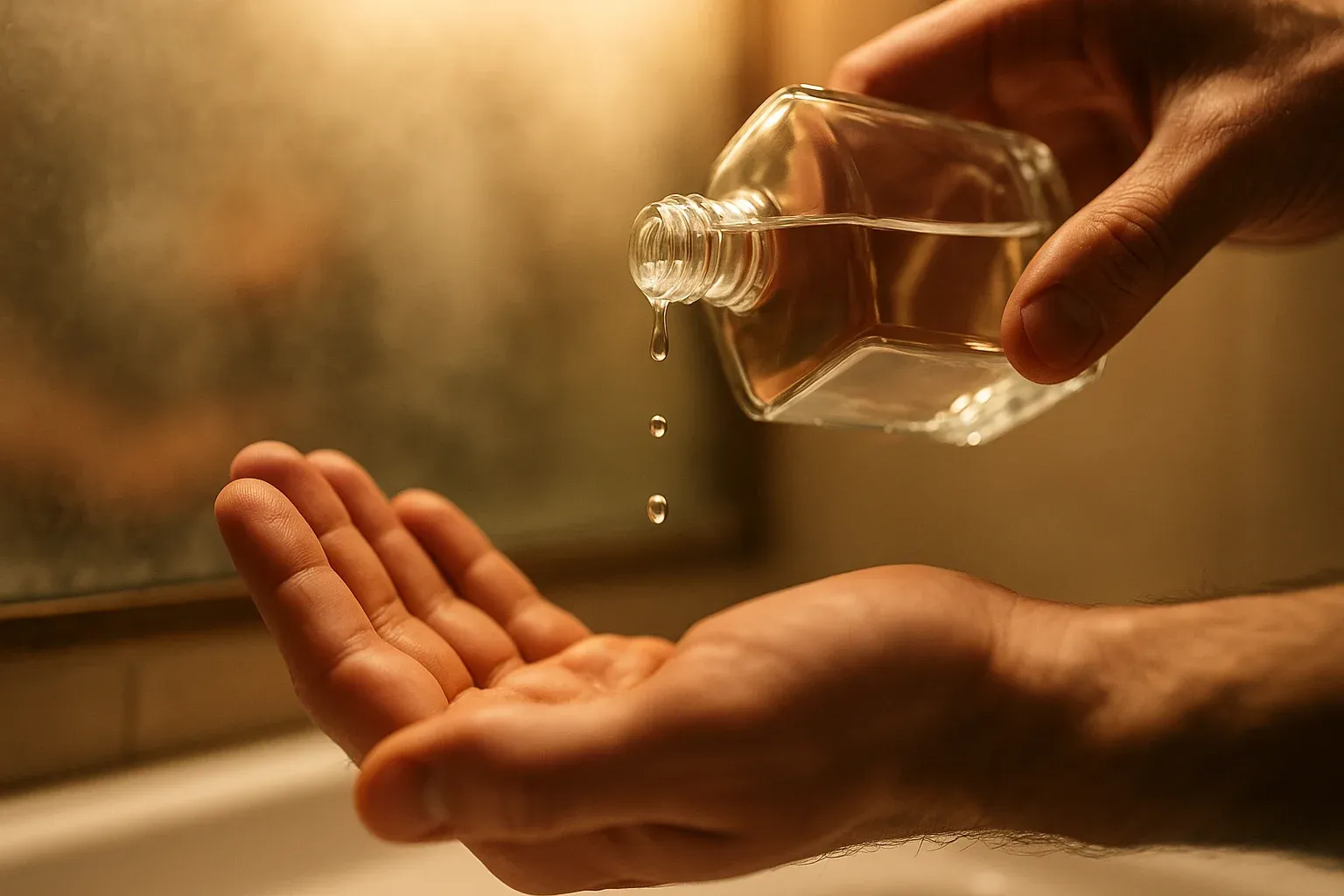
The blade takes stubble and, inevitably, a little of the surface with it. Aftercare’s job is closing that account: rinse cold, calm the sting, restore moisture, and let skin get on with repair. The full sequence lives in our post-shave skincare routine, and the classic splash-or-balm decision has its own guide. The short version: cold water and a balm or witch hazel do ninety percent of the recovery job for pennies.
Which End Deserves Your Money First
If your shaves end in irritation, the instinct is to buy a better aftershave, and the instinct is usually wrong. Aftercare soothes damage; preparation prevents it. A damaged face with premium balm still got damaged. So invest in order: soap and technique first, then the post-shave basics, then pre-shave refinements last, once the fundamentals are honest. The exception is the recovery side of a genuine skin problem, where the troubleshooting guide sorts cause from symptom.
The Honest Minimal Routine
Warm shower or rinse, real lather, zero-pressure technique. Cold rinse, witch hazel or balm. That is a complete routine, and everything else in both aisles is a deliberate upgrade rather than a requirement. Build outward from there as your skin votes.
Frequently asked questions
What does pre-shave actually do?
Everything before the blade softens hair and cushions skin: warm water, the shower, and the lather itself do most of the work. Dedicated pre-shave creams and oils add slip and comfort at the margin, helping most on coarse beards and sensitive skin, but they cannot rescue poor lather or a dull blade.
Is pre-shave or post-shave more important?
Preparation, because it prevents damage that aftercare can only soothe. Invest in soap, lather, and technique first; add post-shave basics like cold rinse and balm next; treat pre-shave products as a refinement once fundamentals are solid.
Do I really need pre-shave oil or cream?
Need, no; benefit from, sometimes. They help most for coarse beards, sensitive skin, and dry winter shaves. Try your routine without one first, then add it and see whether your face notices the difference.
What is the minimum effective shave routine?
Warm rinse or shower, properly built lather, no-pressure technique, then a cold rinse and a balm or witch hazel afterward. Everything beyond that is a chosen upgrade, not a requirement.
Before the blade decides the shave. After the blade decides tomorrow. Spend accordingly.
Happy shaving.