

The Gillette Guard Might Be My New Favorite Disposable Razor
Six shaves deep on the Gillette Guard, a Dark Knight lather from HAGS, and four giveaway winners to announce. Old school gear day.
Read more →Gillette Super Speeds, Fatboys, Slims and the rest: what the classics are, how they shave, and how to buy one without getting burned.
There is a moment, the first time you shave with a razor older than you are, when the appeal of vintage stops needing explanation. These were built when a razor was expected to last a lifetime, and an enormous number of them have.
The vintage market is deep and mostly affordable. Gillette alone produced Super Speeds, Techs, Aristocrats, the adjustable Fatboy and Slim, and dozens of variants across decades, and a clean example of most of them costs less than a new mid-range razor. Beyond Gillette, GEM single-edge razors and Schick injectors are still perfectly usable systems with blades in current production.
Buying secondhand is where the knowledge pays. Judge the plating and the mechanism before anything else: surface tarnish cleans up, but flaking plating that exposes brass does not and will spread. On a twist-to-open razor the doors should close flush and even. Listings that avoid showing the closed doors head-on are worth being suspicious of, and anything sold for parts or as-is is a project rather than a shaver.
This hub covers the models worth hunting, how each one shaves, date codes, cleaning, and the honest guidance on what to skip.
28 posts in this topic
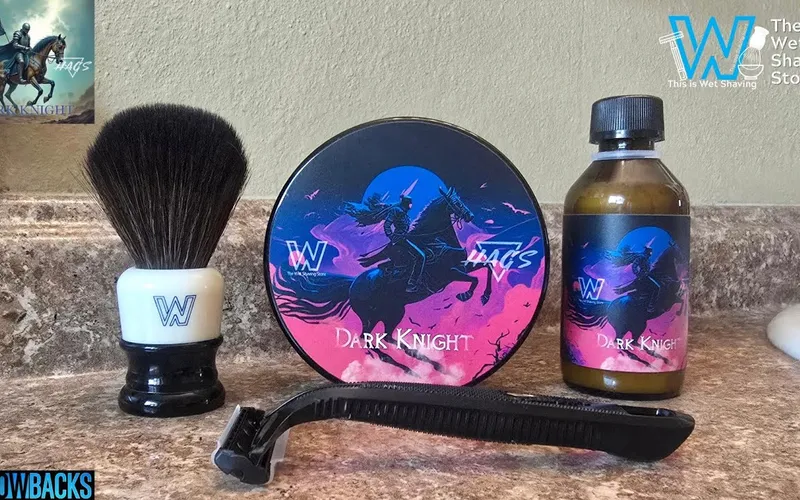
Six shaves deep on the Gillette Guard, a Dark Knight lather from HAGS, and four giveaway winners to announce. Old school gear day.
Read more →
About one in four people who groom their pubic hair report an injury doing it. The Gillette Guard pairs one blade with a safety comb, which makes it a forgiving, inexpensive razor to keep just for below the belt. Here is how to use it safely, from the first trim to aftercare.
Read more →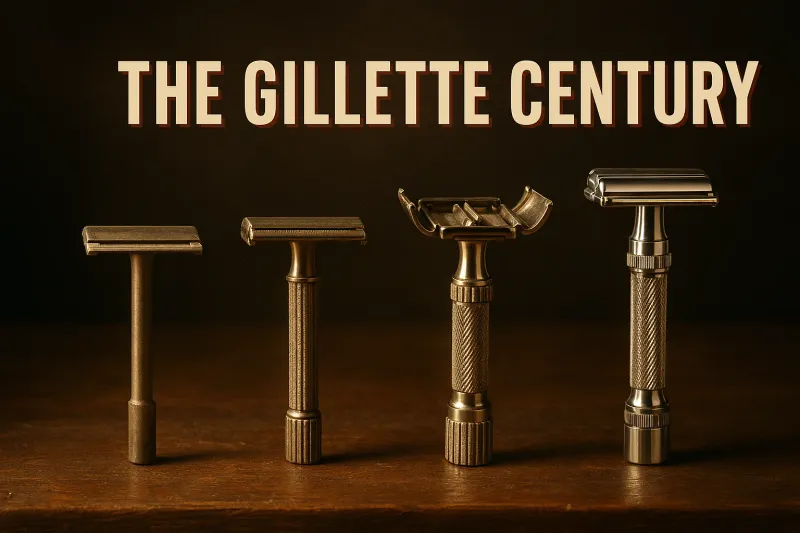
Every vintage razor drawer is mostly one company. How King Camp Gillette's disposable blade built an empire, why the Tech, Super Speed, and adjustables still dominate estate sales, and how the 1971 cartridge pivot handed the old world to us.
Read more →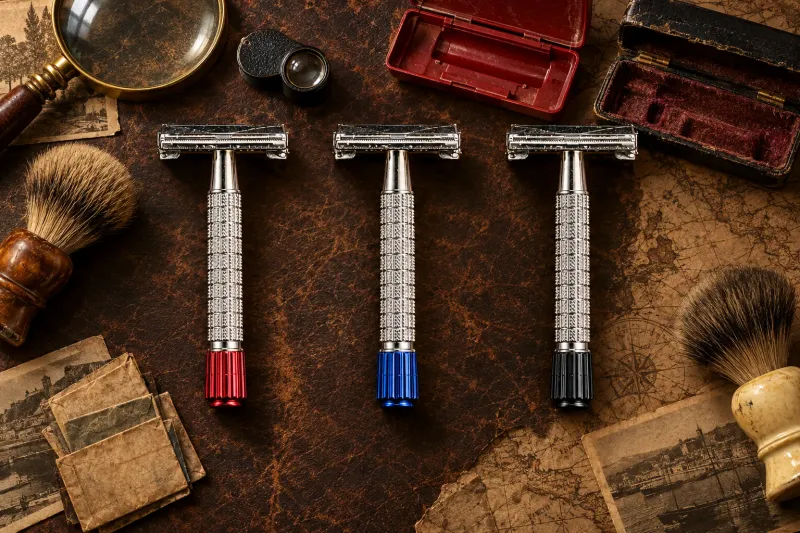
Every US Gillette made from 1950 onward carries a letter and a digit that give you the exact quarter it was built, and the ones before that carry a serial number instead. Here is what the marks mean, plus a lookup that reads either one for you.
Read more →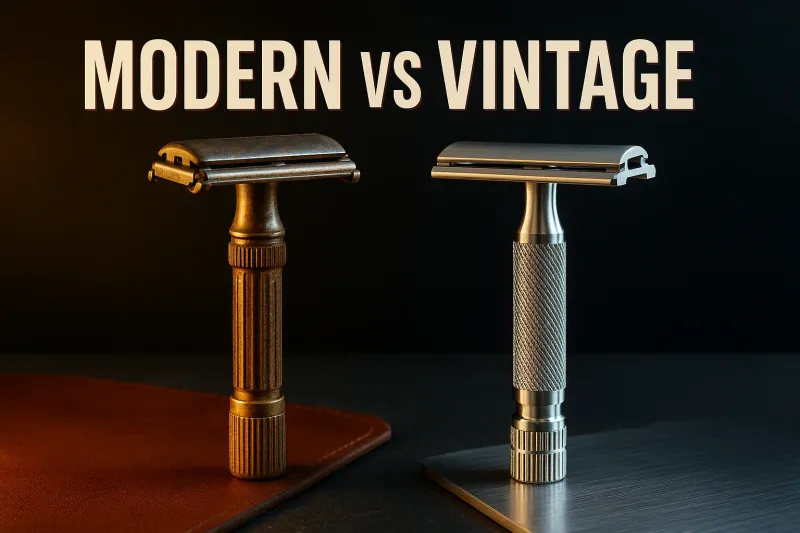
One side of the den is machined stainless with a warranty; the other side is seventy years old and cost twelve dollars at an estate sale. The honest case for each, what to check before buying old, and why the answer is usually both.
Read more →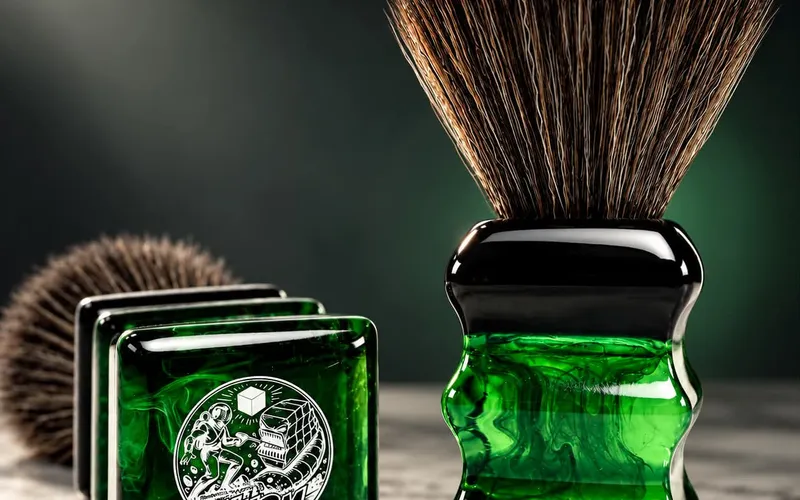
Phoenix Artisan built its new WÜRM brush from a vintage Klenzo nobody can find a second example of. The history behind that old brush is the good part, and the green acrylic handle carries a knot people already liked.
Read more →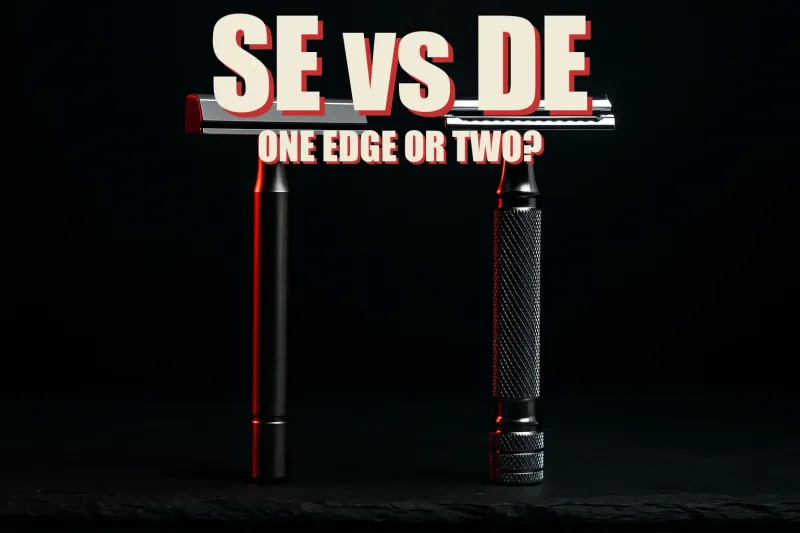
Double-edge razors won the popularity war, but single edge formats never surrendered, and the people who shave with a GEM or an injector tend to be evangelical about it. Here is what actually separates the formats, blade by blade, and which face each one suits.
Read more →
Steven asked the group for a signature scent under $75. He got back Stirling dupes, an Aventus-style pick, and a vintage Aqua Velva score.
Read more →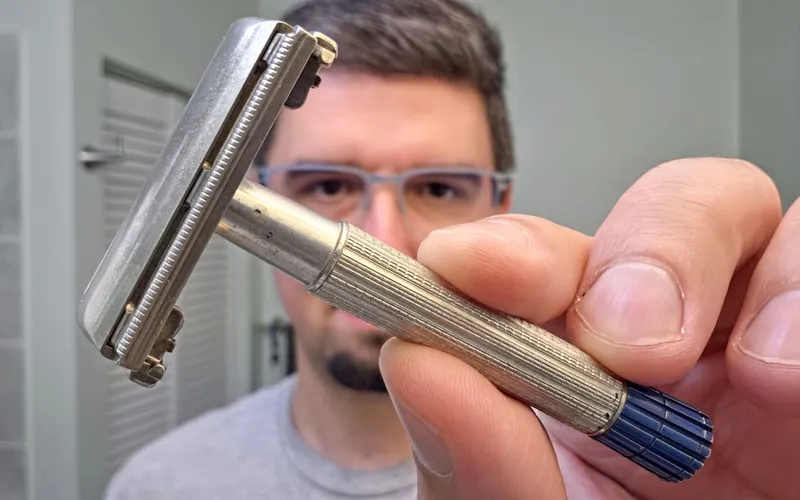
I take a 1955 Gillette Blue Tip Super Speed A3 with an aluminum handle for a spin, and it might be the mildest vintage razor I've tried yet.
Read more →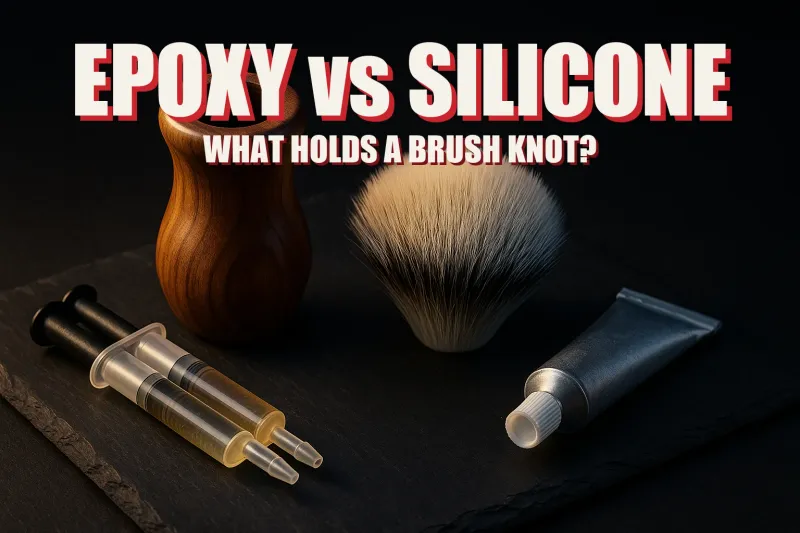
Mark needed glue to reknot two brushes, and the thread split hard between two-part epoxy and RTV silicone, with strong opinions on both sides.
Read more →
Day five with the same razor, same soap, same blade, and I'm noticing every little detail I used to miss.
Read more →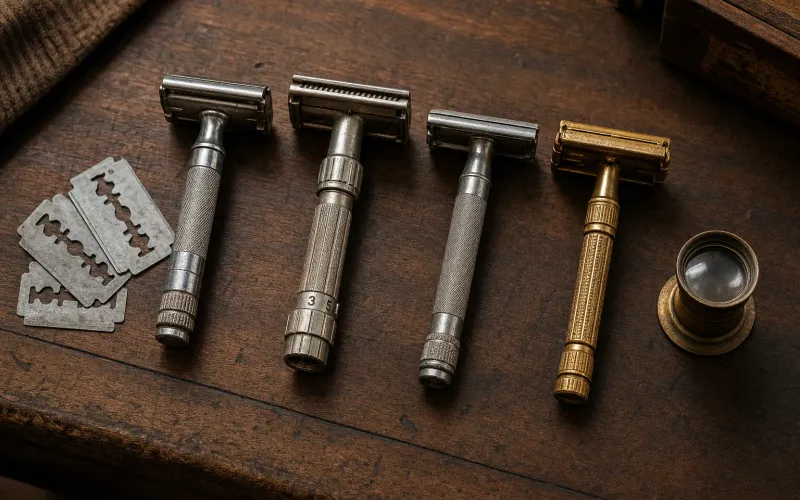
A tour of the vintage safety razors actually worth buying, what each one is, what it feels like, roughly when it was made, and how to buy one on the secondhand market without getting burned.
Read more →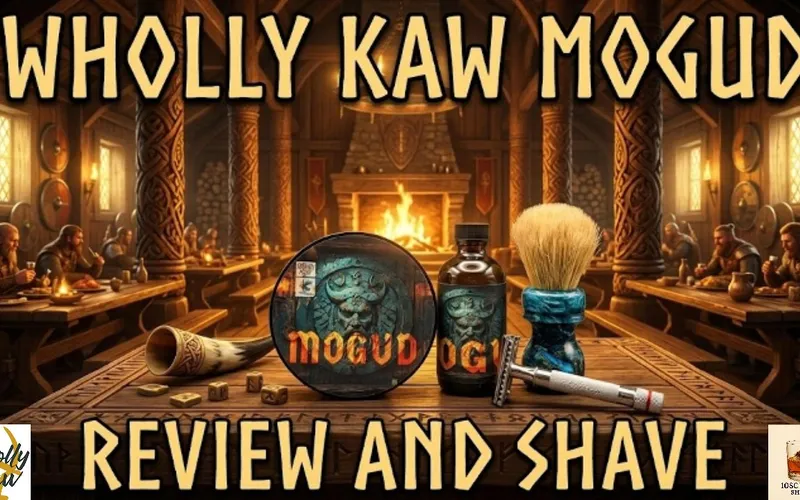
I run down the Wholly Kaw and Chrille Shaver Mogud collab, whiskey and honey up top, tobacco and oud in the heart, then shave it with my vintage Eclipse Red Ring razor.
Read more →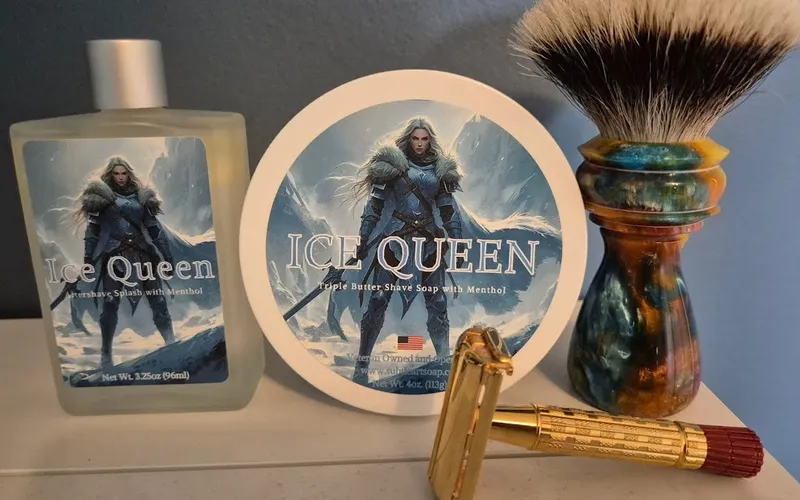
Fred uses Subtle Art Soap Co's Ice Queen four-butter soap with the Gillette Red Tip. The menthol builds strong, the lather loads up close to dripping, and the shave is very close.
Read more →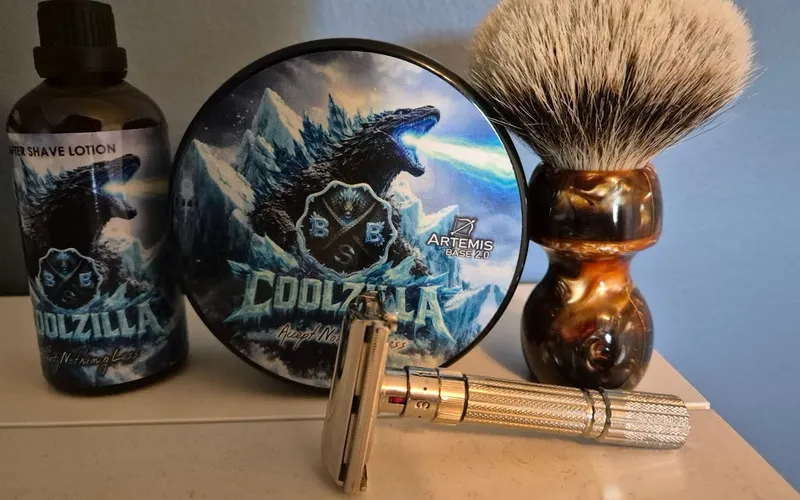
Back from vacation with nine days of growth and a craving for something cold. BBS Coolzilla, the Gillette Fatboy, and the Yaqi Caramel get the job done.
Read more →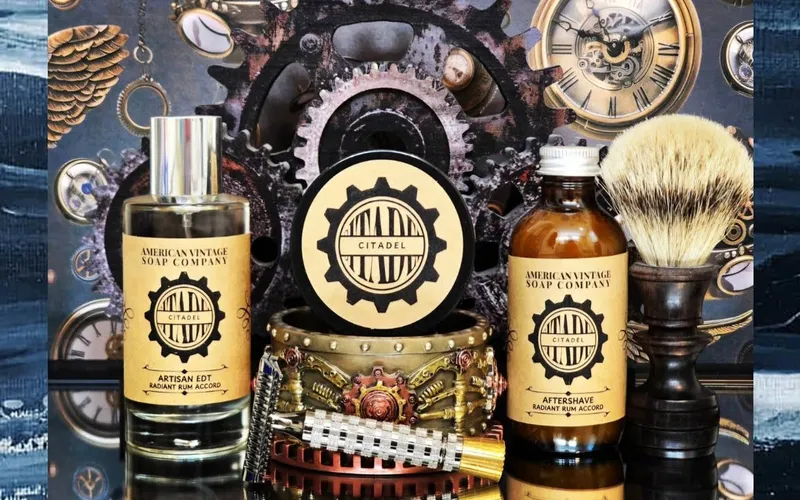
Robert at American Vintage Soap Co. built Citadel as a dark, piney, woody bay rum without the usual clove. I bought the full set myself and put it through its paces on a Monday Monologue.
Read more →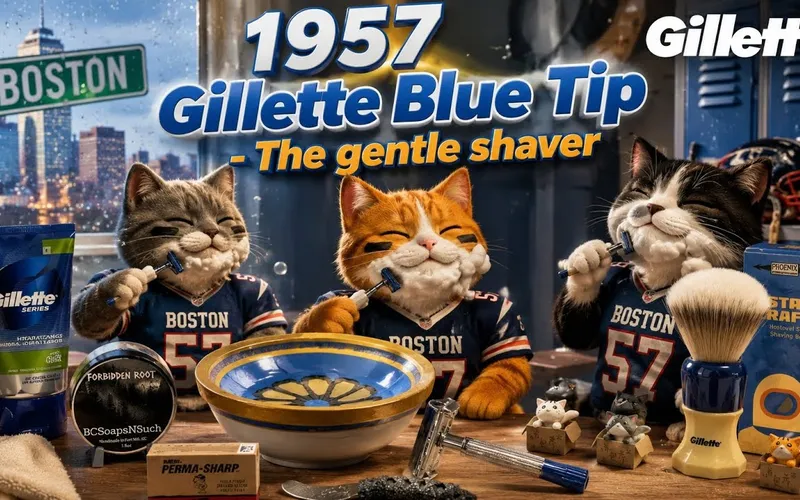
I put the vintage Gillette Blue Tip through two passes today. Mild, forgiving, BBS. Here's how it went.
Read more →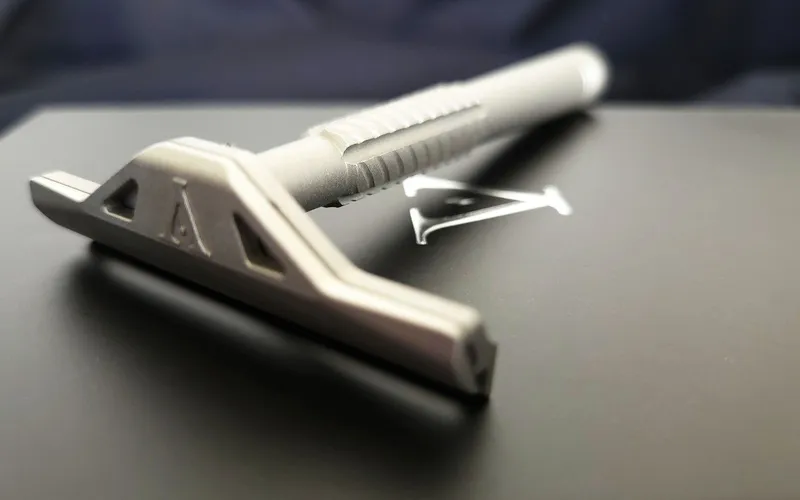
My first Artist Club razor, and Aylsworth's Atelier in satin finish delivered a BBS result with zero alum reaction.
Read more →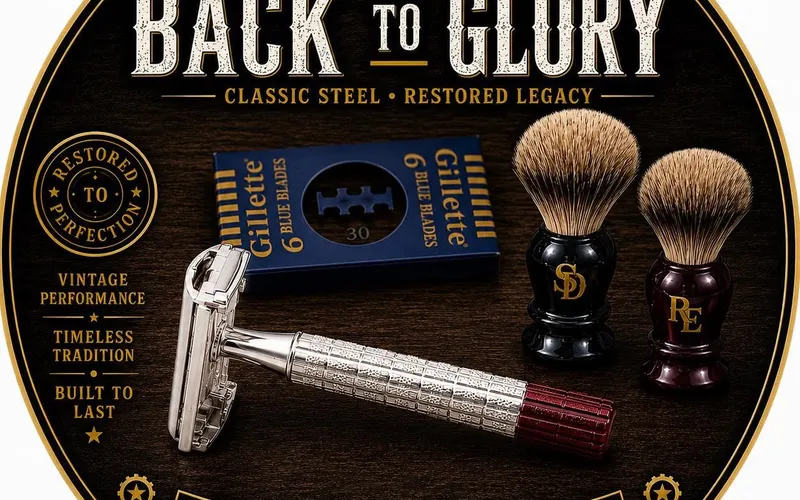
Shave Dad and Razor Emporium's Back To Glory drops Friday, June 12. Bergamot, lavender, cedarwood, amber. A tribute to the vintage razors and rituals that built the hobby. Exclusively at Razor Emporium.
Read more →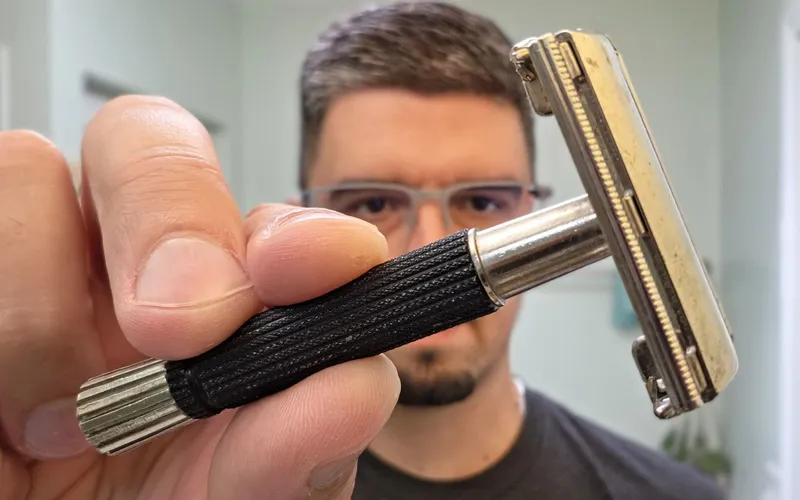
Aaron's 1974 Gillette black handled Super Speed gets a full three-pass shave. Fifty years of wear shows up in the butterfly mechanism, and the alum confirms exactly which side was which.
Read more →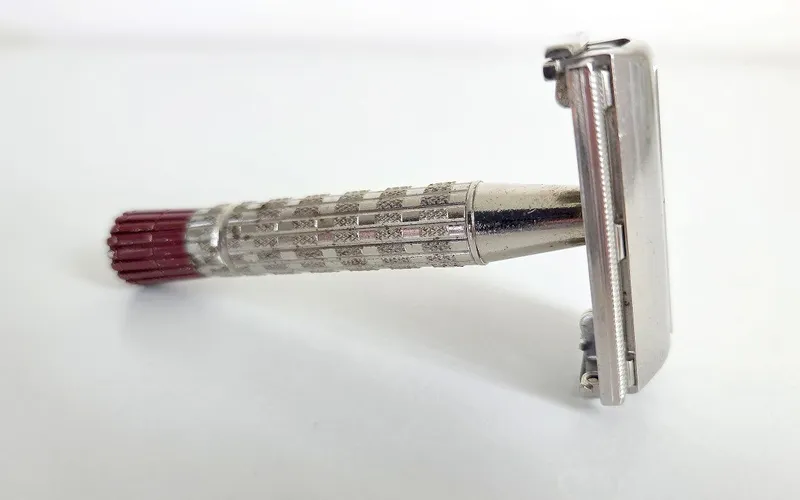
My friend Aaron handed me a box of vintage Super Speeds, and the Red Tip A3 from 1955 is where the exploration starts. Mild, comfortable, and better going against the grain than I expected.
Read more →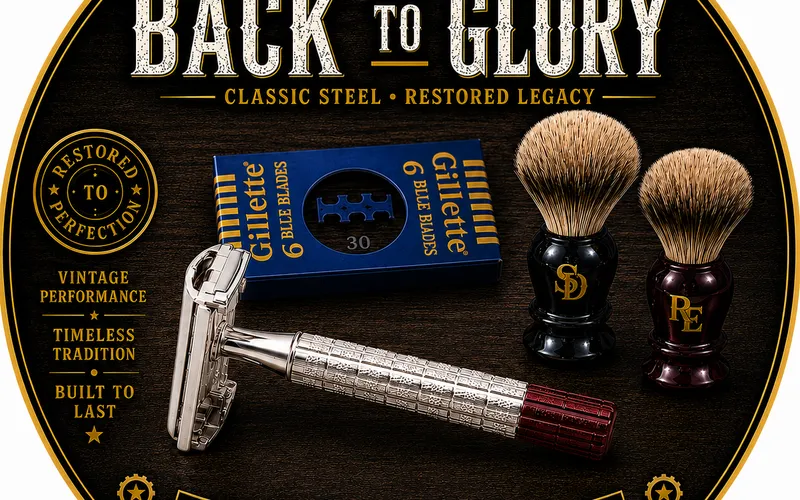
Jerry just announced Back to Glory, an upcoming Shave Dad x Razor Emporium collab built around the Gillette Red Tip. Scent notes: bergamot, lavender, cedarwood, amber.
Read more →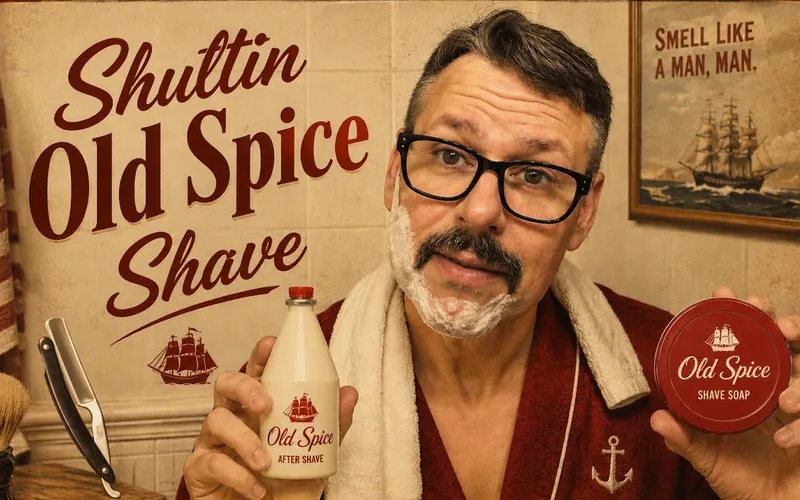
Nick sent me his vintage Shulton Old Spice - soap, aftershave, cologne, the full trifecta - to find out if it's still as slick as he thinks. Forty-plus years in the mug, and the answer is yes.
Read more →
Discover “Shave Dad’s Dad,” a nostalgic scent from the collaboration between Phoenix Shaving and Shaved Dad, honoring fathers with vintage elegance.
Read more →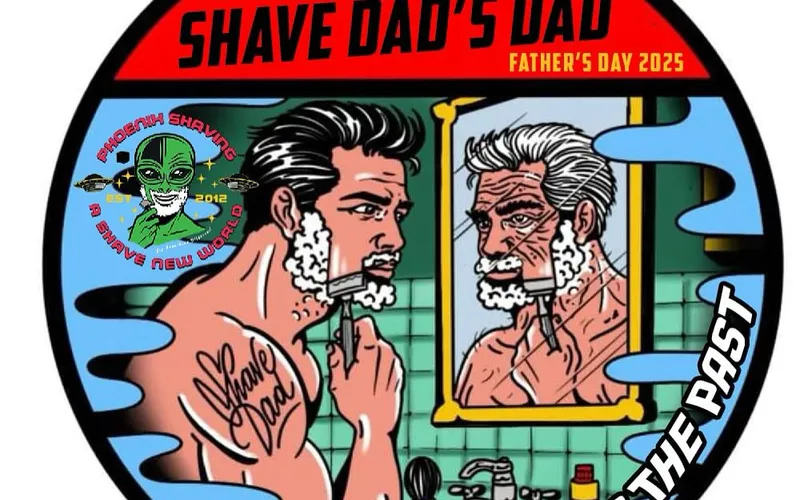
A Limited Edition Collaboration Between Phoenix Shaving & Shave Dad Homage to Vintage Lectric Shave & Dad’s Everywhere!
Read more →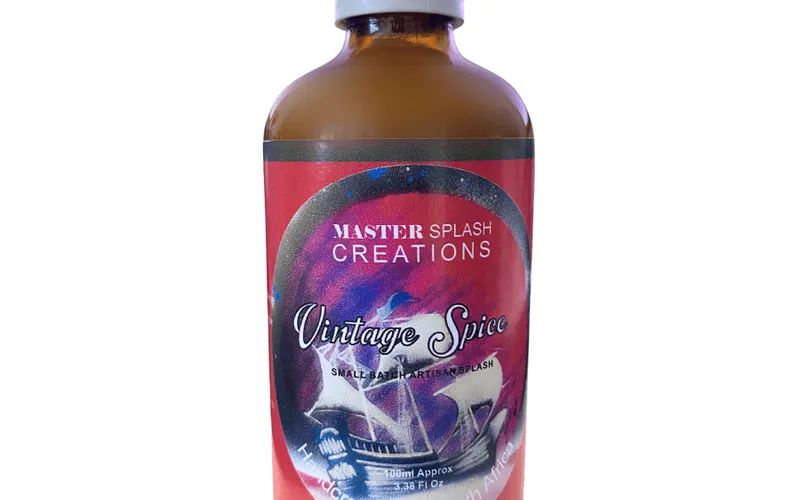
Elevate your grooming routine with Master Soap Creations Vintage Spice After Shave Splash. Enjoy a classic scent and modern performance for a refreshing shave.
Read more →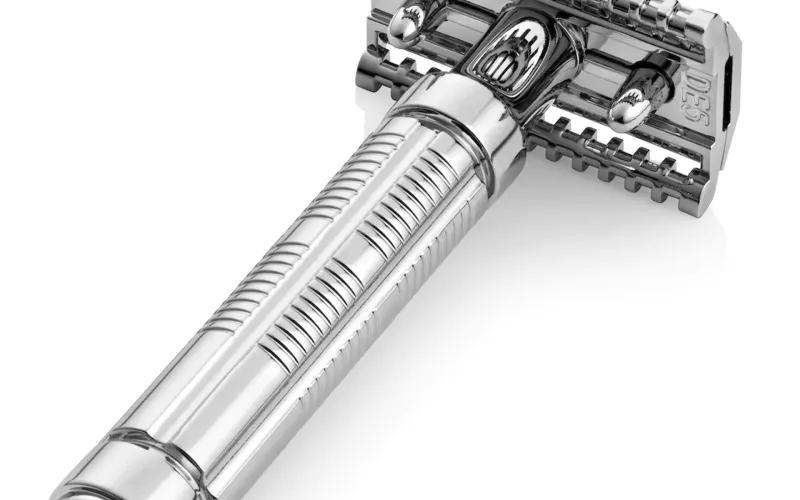
Discover the Fine Accoutrements DE5 Double Edge Safety Razor, your gateway to the art of wet shaving with vintage craftsmanship and modern precision.
Read more →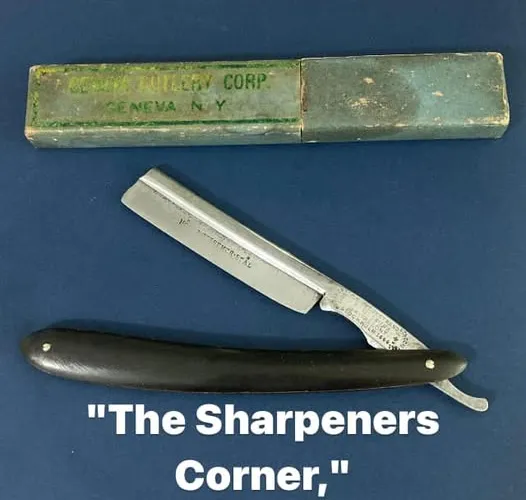
Jerry pinned The Hone Zone in the Shave Dad group - a permanent thread where experienced honers share gear, instructional videos, and hands-on advice. Bryan put up stones and practice razors on day one.
Read more →