

Leaf Branch Review: Months In With Leaf's New SE Razor
I've been shaving with Leaf's new Branch single-edge razor since June, and it's taking over for my Twig and Thorn.
Read more →Double-edge and single-edge safety razors: how they differ, what mild and aggressive actually mean, and which ones are worth owning.
A safety razor is the tool traditional wet shaving is built around: a single replaceable blade held at a fixed angle by a metal head, with a guard that limits how much edge reaches your skin. That is the whole idea, and it is why a razor bought today can still be shaving in fifty years.
The differences between razors come down to geometry. Blade gap is the distance between the edge and the safety bar, blade exposure is how far the edge sits past the guard line, and together they determine how much beard a razor removes per pass and how much it forgives a bad angle. That is what people are describing, usually imprecisely, when they call a razor mild or aggressive. Efficiency and aggression are not the same thing: good modern geometry can clear a heavy beard without punishing mistakes.
Format matters less than most beginners expect. Three-piece razors come apart into cap, baseplate and handle and have nothing to break. Two-piece and butterfly-open designs trade a little simplicity for faster blade changes. Adjustables let you dial the gap up and down, and plate-based systems let you swap it. None of these is inherently better; they are preferences.
Our coverage here spans first razors, the honest signals that you have outgrown one, what aggression really measures, and the vintage market where a clean sixty-year-old Gillette still outshaves plenty of new metal.
154 posts in this topic
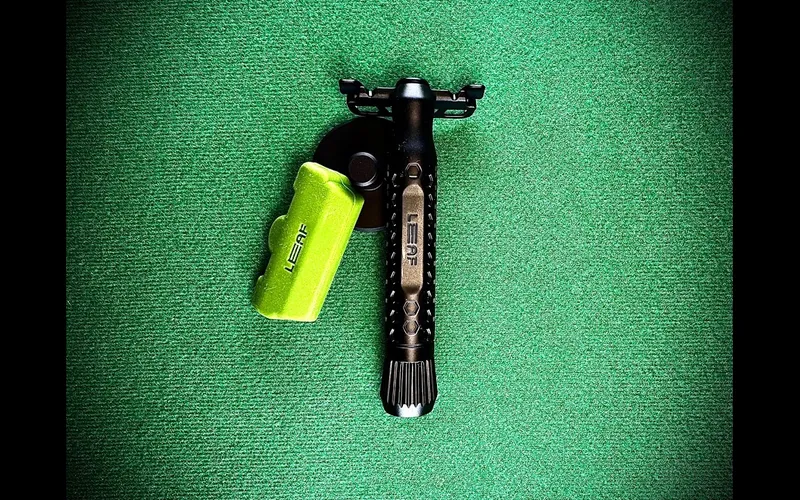
I've been shaving with Leaf's new Branch single-edge razor since June, and it's taking over for my Twig and Thorn.
Read more →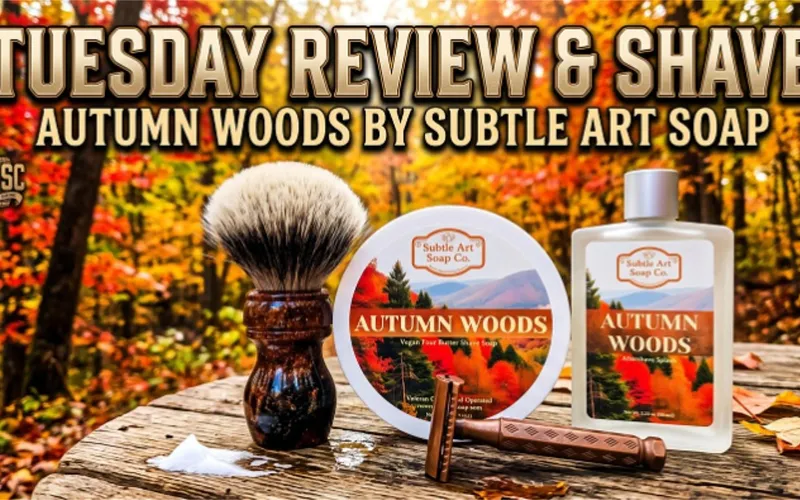
Autumn Woods from Subtle Art Soap Co. is one of my favorite fall seasonals, paired here with the PAA Cygnus razor and an Abominable Creations brush.
Read more →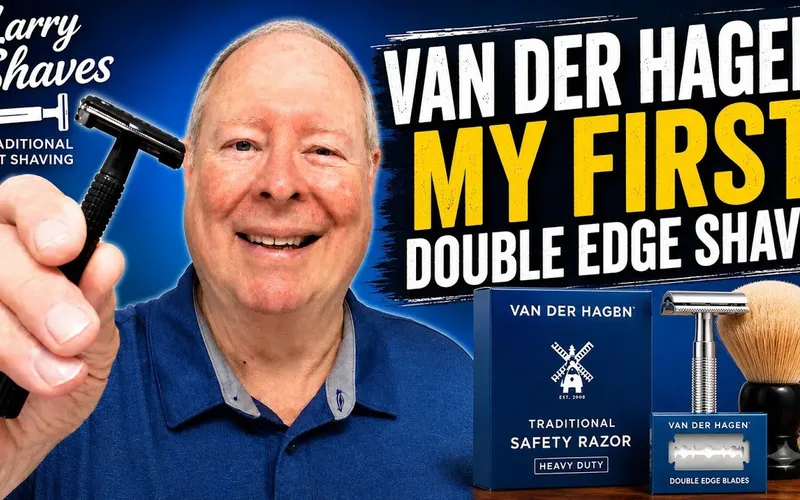
Seven years ago a grocery store Van Der Hagen kit pulled me off cartridge razors for good. I dug the same razor, soap, and brush out of the closet for one more shave.
Read more →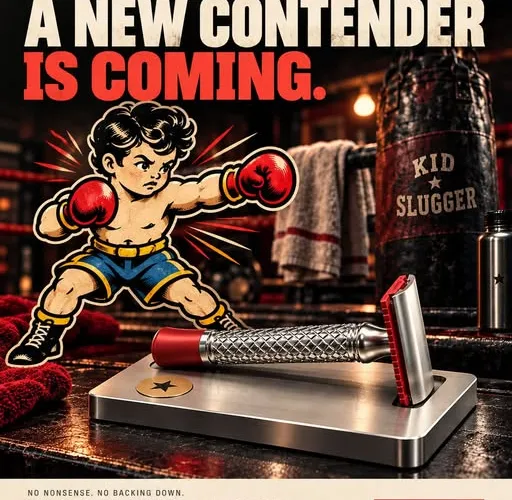
Jerry's new teaser shows an aluminum razor in red or blue, priced at $80, with no pre-order link yet and a lot of questions about blade gap left unanswered.
Read more →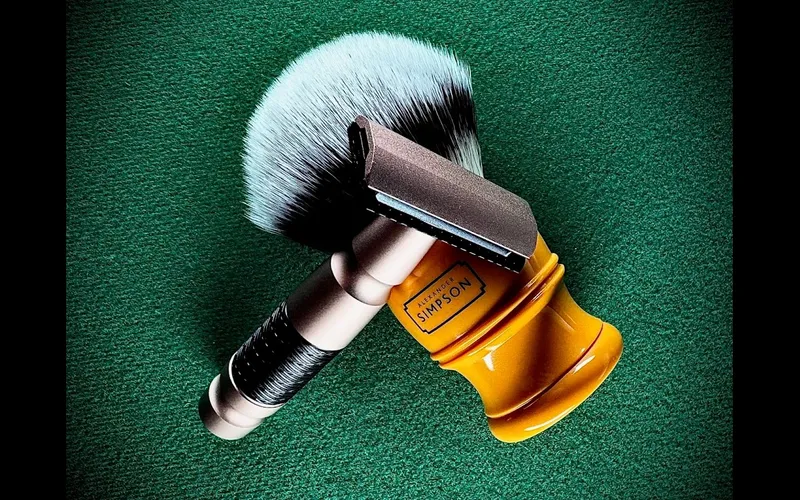
Scott and Steve's Futura-style collab razor from Alpha Shaving Works has been in my rotation for five shaves, and the grip alone sold me on it.
Read more →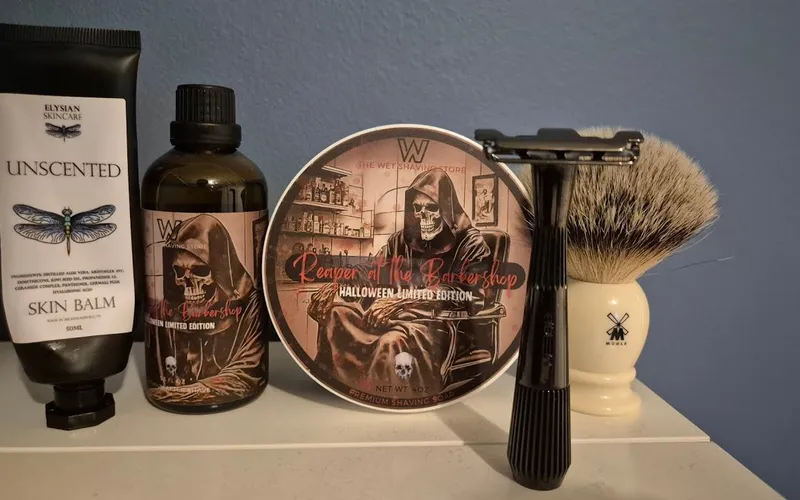
A Halloween-season soap from Elysian and the Wet Shaving Store, run through the Leaf Twig with a loaded 23mm Mühle silvertip.
Read more →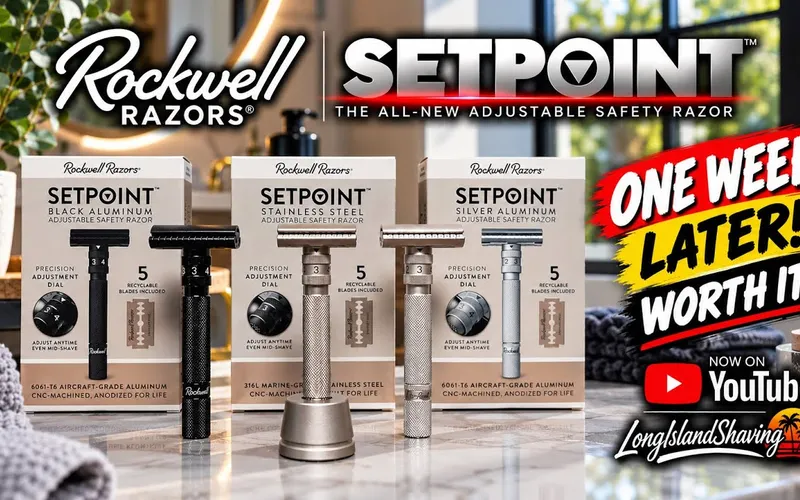
A week in with both the aluminum and stainless steel Rockwell SETPOINT, here's what held up, what confused people online, and which one I'd actually buy.
Read more →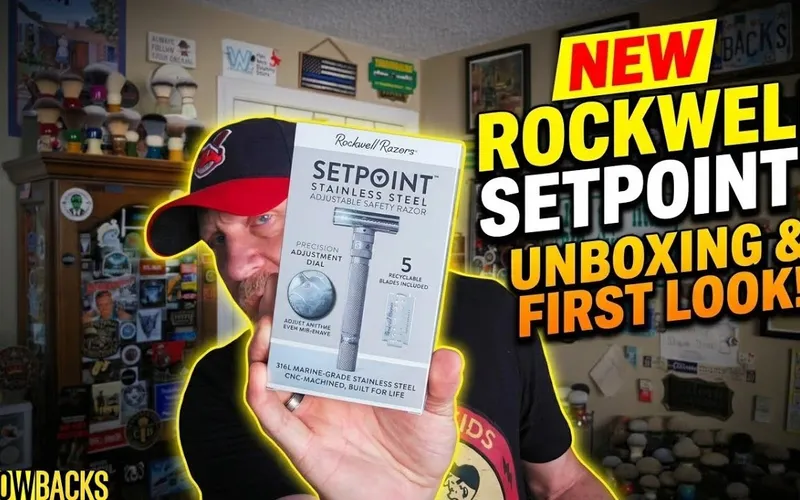
Rockwell sent me three Setpoint razors to try, and after years of loving the 6S and never getting along with the T1 or T2, here's what looks different right out of the box.
Read more →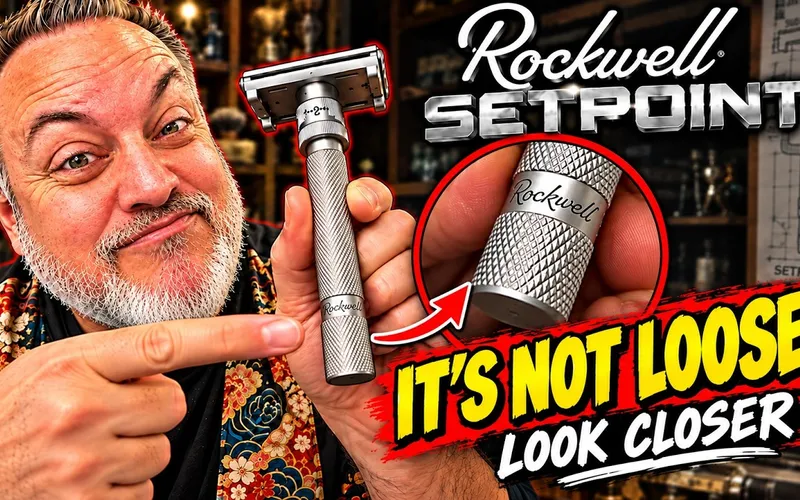
Mully puts the stainless and aluminum SETPOINT side by side to settle the 'wiggly end cap' debate once and for all.
Read more →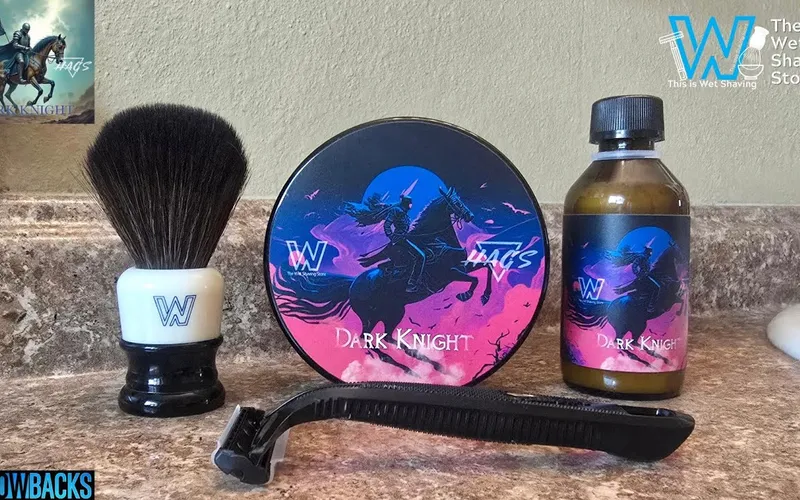
Six shaves deep on the Gillette Guard, a Dark Knight lather from HAGS, and four giveaway winners to announce. Old school gear day.
Read more →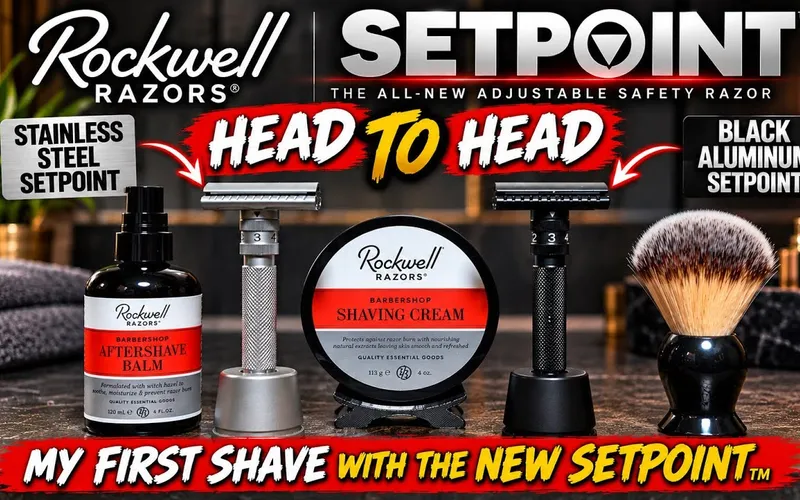
Mike runs the first real shave on Rockwell's new SETPOINT adjustable razor, stainless steel against aluminum, Personna Gem blades, and an early lean toward a winner.
Read more →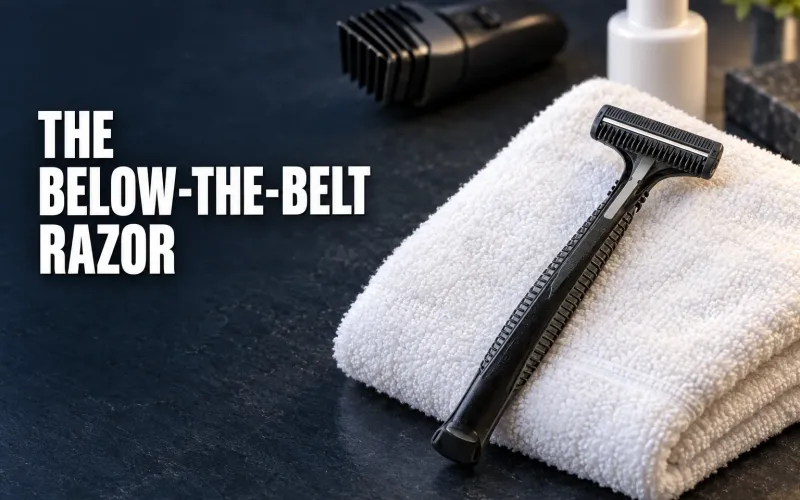
About one in four people who groom their pubic hair report an injury doing it. The Gillette Guard pairs one blade with a safety comb, which makes it a forgiving, inexpensive razor to keep just for below the belt. Here is how to use it safely, from the first trim to aftercare.
Read more →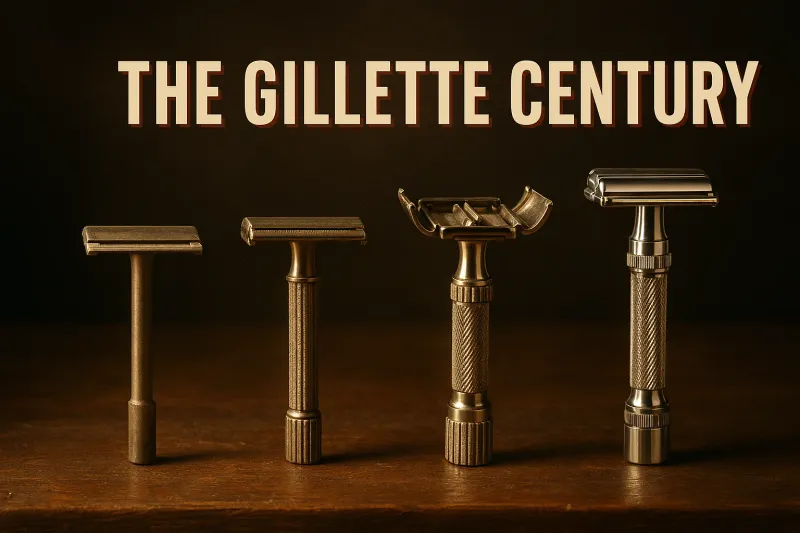
Every vintage razor drawer is mostly one company. How King Camp Gillette's disposable blade built an empire, why the Tech, Super Speed, and adjustables still dominate estate sales, and how the 1971 cartridge pivot handed the old world to us.
Read more →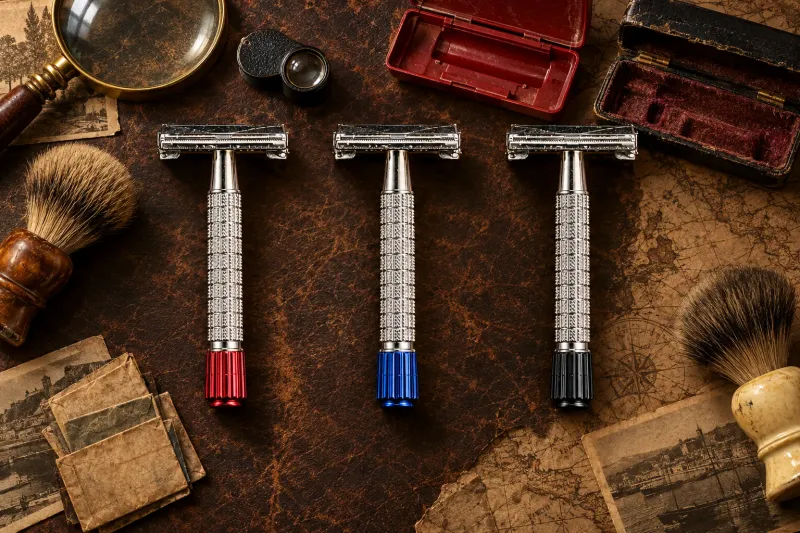
Every US Gillette made from 1950 onward carries a letter and a digit that give you the exact quarter it was built, and the ones before that carry a serial number instead. Here is what the marks mean, plus a lookup that reads either one for you.
Read more →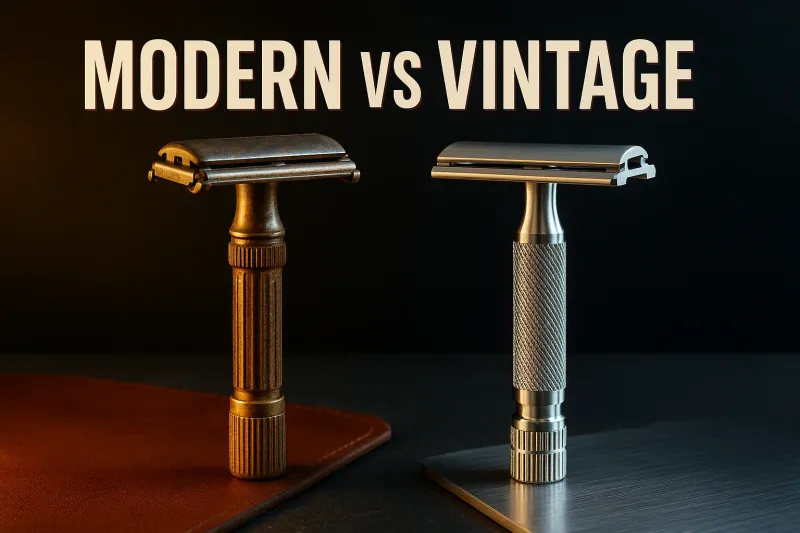
One side of the den is machined stainless with a warranty; the other side is seventy years old and cost twelve dollars at an estate sale. The honest case for each, what to check before buying old, and why the answer is usually both.
Read more →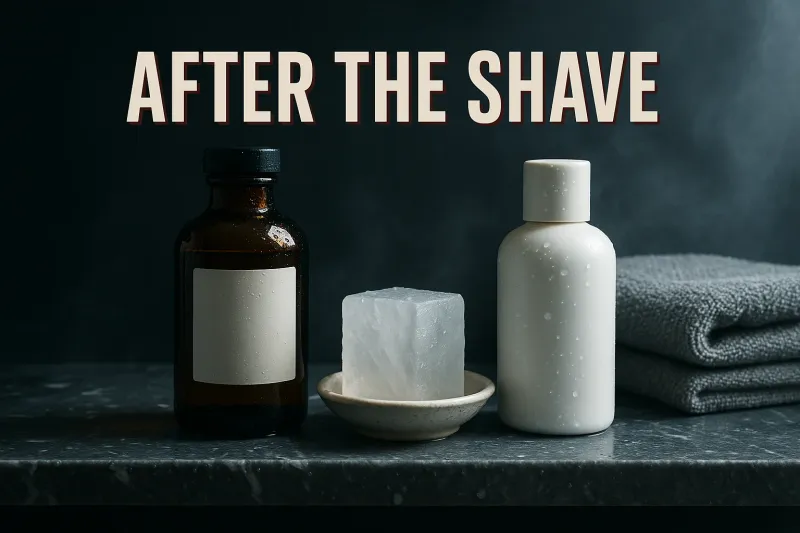
The shave ends when the razor goes down, but your skin is just getting started. Here is the full post-shave sequence, cold rinse to moisturizer, what each step actually does, and which products earn a place on the shelf.
Read more →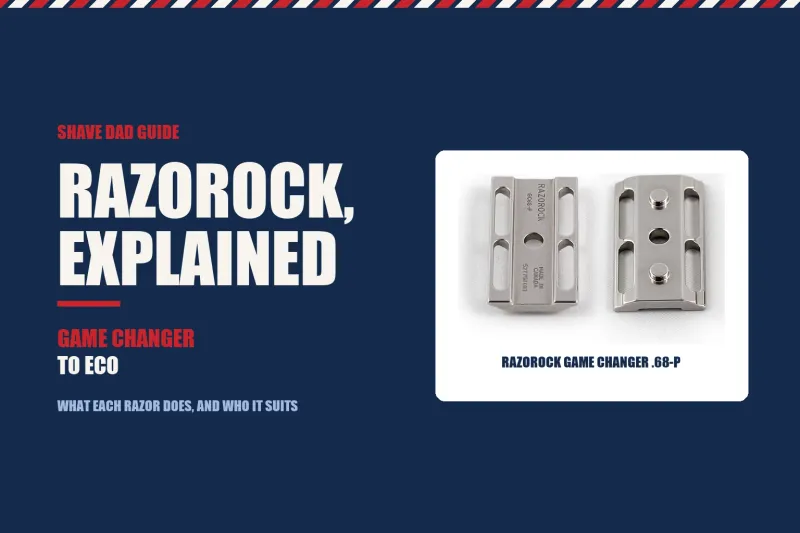
RazoRock built its reputation on a simple promise: machining quality that embarrasses razors twice the price. What the brand is, why the Game Changer became a modern standard, and where the Mamba, MJ-90A, and Eco fit.
Read more →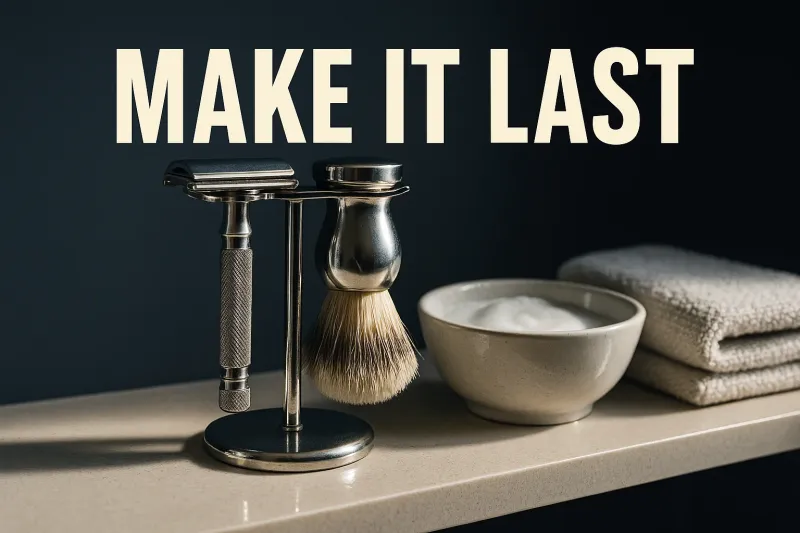
Good wet shaving gear outlives cars if you let it. The whole maintenance system: the thirty-second daily habits, the monthly deep clean, why brushes die of damp, and what a stand actually does.
Read more →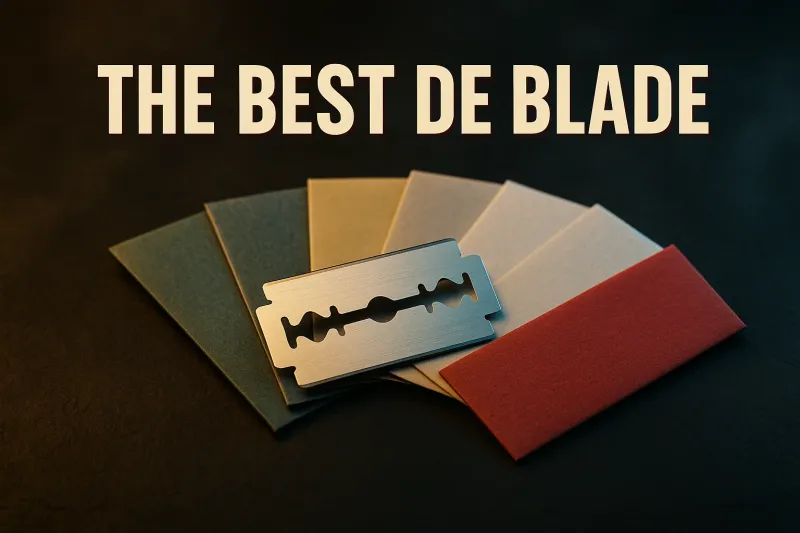
Asking for the best DE blade gets you forty answers because blades interact with skin, beard, and razor differently for everyone. Here is the honest way to find yours: what the contenders actually are, and why the sampler pack settles what no review can.
Read more →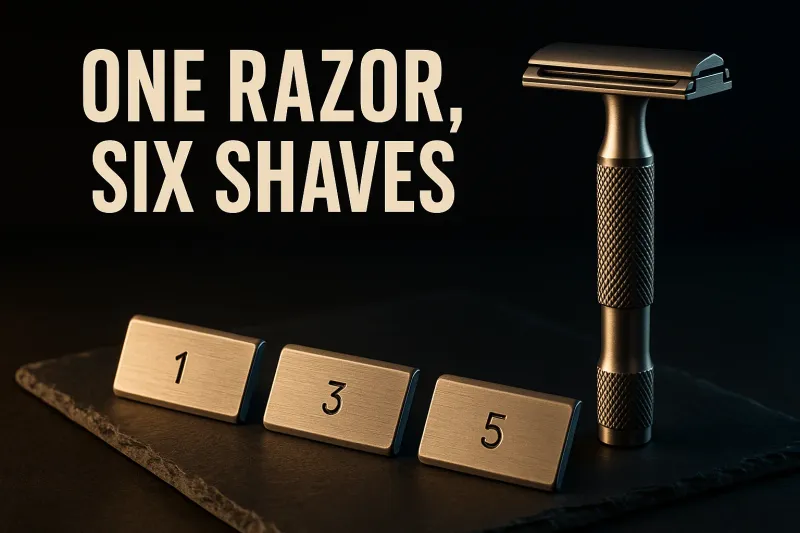
Rockwell solved the adjustability problem by making the baseplate the dial: three flippable plates, six settings, one razor that grows with your technique. The whole lineup explained, R1 Rookie to the T2 dial.
Read more →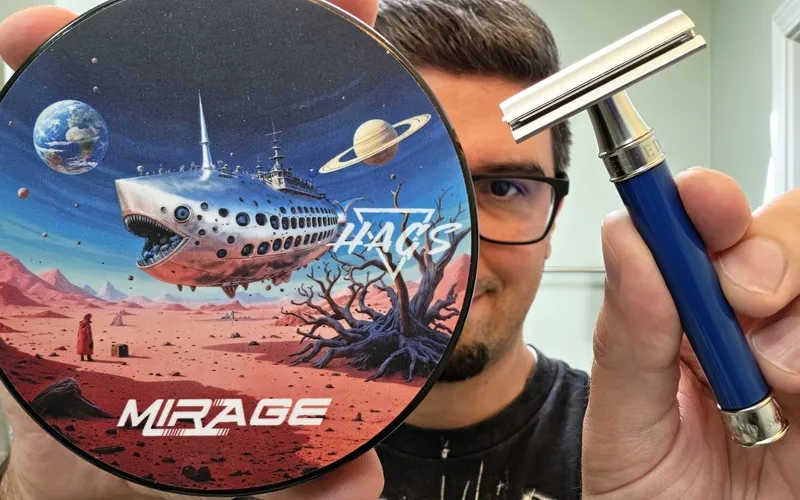
A summery HAGS Mirage shave with the Edwin Jagger 3One6 in blue resin, plus the story of how I finally got this razor back in my rotation.
Read more →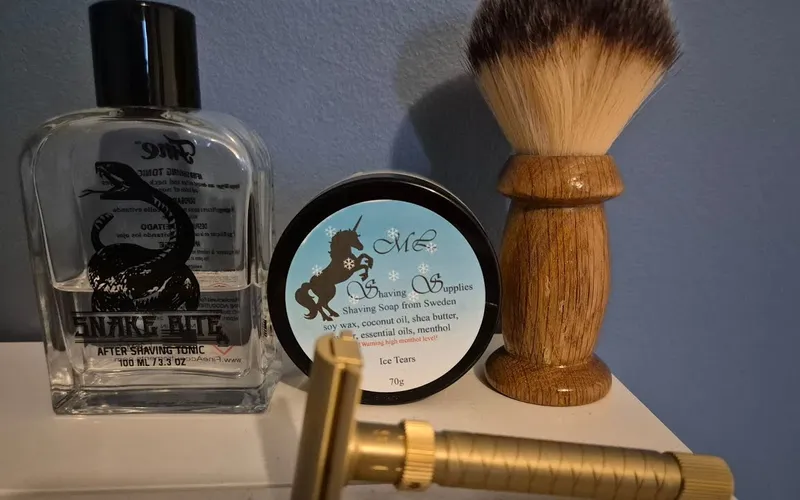
This one's a super-mentholated soap from Matti Lindholm that showed up at the Blizzard Games, and it lives up to its name.
Read more →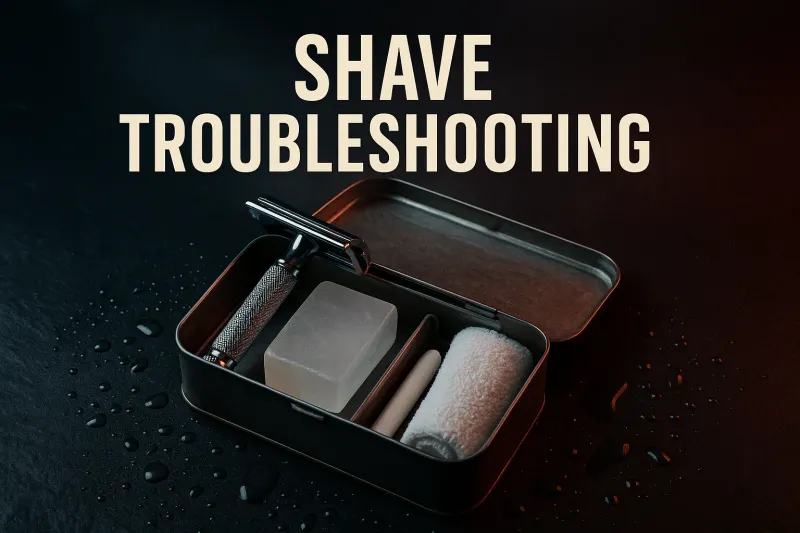
Every shaving problem you will ever have falls into four buckets: burn, cuts, weepers, and ingrowns. Each has a different cause and a different fix, and treating the wrong one keeps the problem alive. This is the diagnostic page: find your symptom, trace the cause, apply the fix.
Read more →
Sean Stapelfeld sent over the reworked Reborn soap fresh off the new labeling, and I ran a full shave with it, straight razor first pass included.
Read more →
Doug's Farmhand razor splits the difference between Henson's mild and aggressive plates, and I put it up against the Tier One, the Taisoto DUO, and the ACR1.
Read more →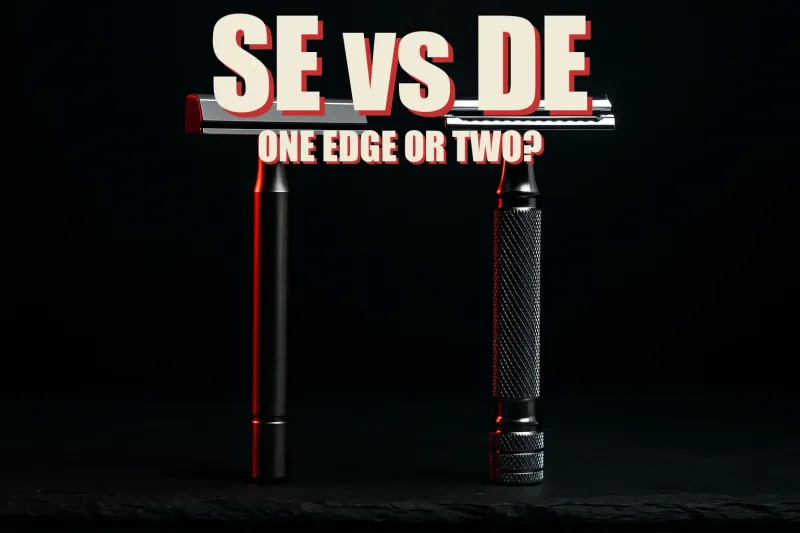
Double-edge razors won the popularity war, but single edge formats never surrendered, and the people who shave with a GEM or an injector tend to be evangelical about it. Here is what actually separates the formats, blade by blade, and which face each one suits.
Read more →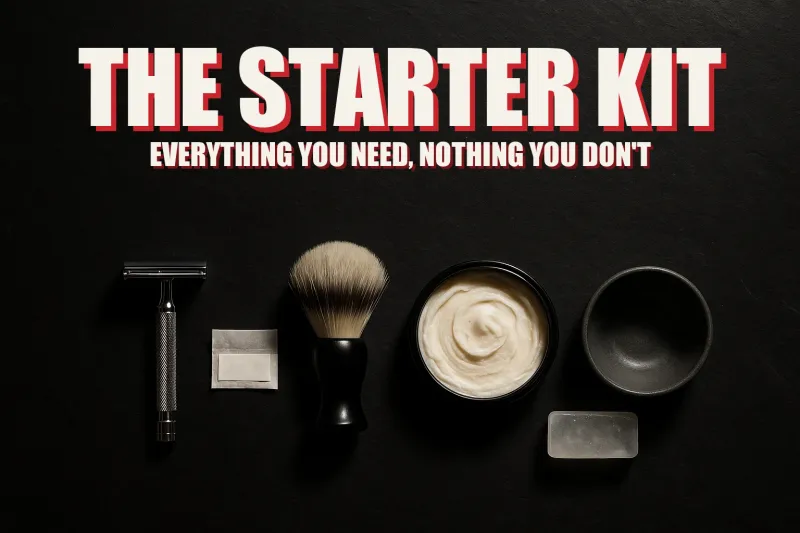
Five things make a complete wet shaving kit: razor, blades, brush, soap, and something for afterward. Everything else is upgrade material. This is the whole checklist with a budget tier and a buy-once tier for each slot, and a short list of what not to buy in month one.
Read more →
Seventh in my alphabetical rundown of favorite stainless AC razors: the Tatara Amakuni, two-piece, magnetic, and more comfortable than I expected once I found the angle.
Read more →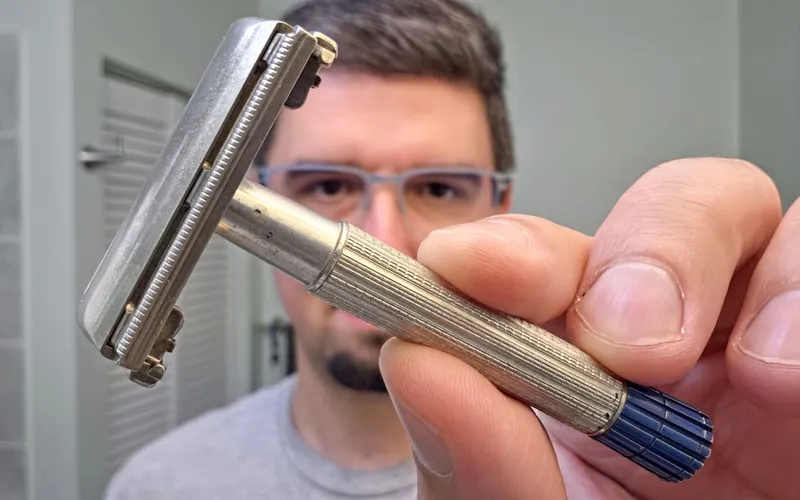
I take a 1955 Gillette Blue Tip Super Speed A3 with an aluminum handle for a spin, and it might be the mildest vintage razor I've tried yet.
Read more →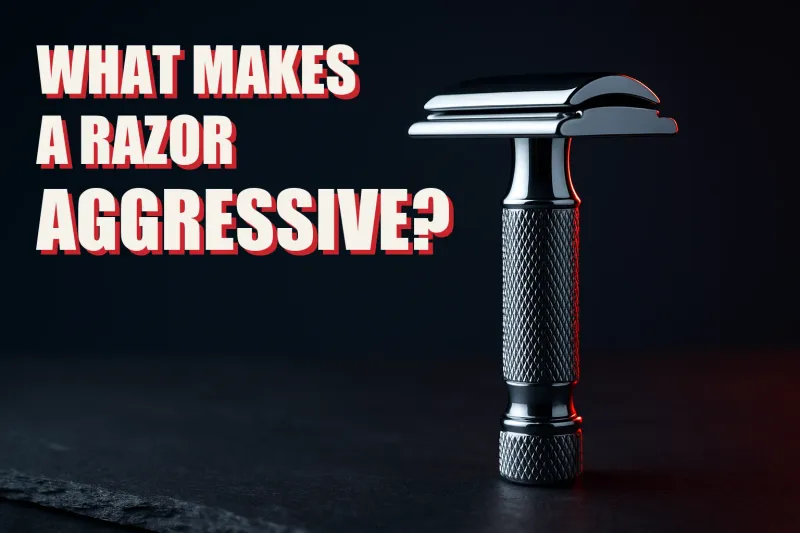
Every razor conversation eventually lands on the word aggressive, and half the room means something different by it. Here is what actually changes between a mild razor and a wild one, why blade gap alone does not tell the story, and how to pick the right spot on the spectrum for your face.
Read more →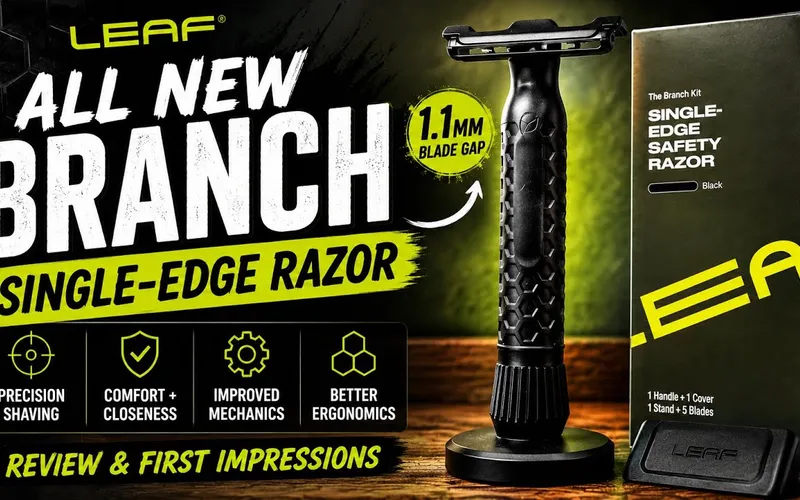
Leaf's new Branch razor is finally out, and I've already put two months and a 10-day family vacation on it. Here's how it shaves.
Read more →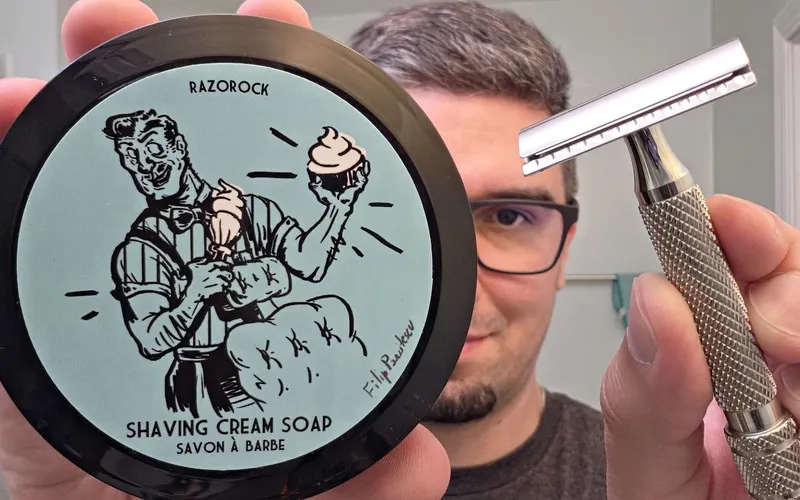
A friend gifted me RazoRock's Blue Barbershop soap and splash, inspired by Floid Blue, and I finally put them to the test in this shave.
Read more →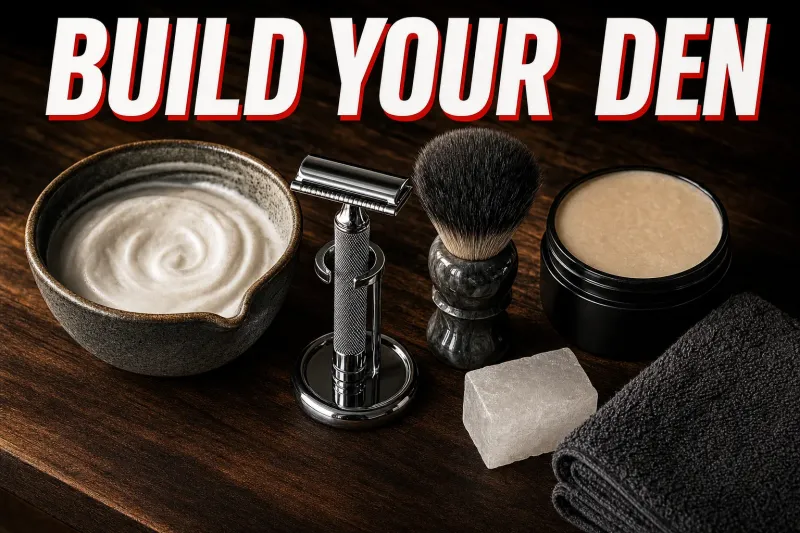
A shave den is not a shrine, it is a station: the small set of gear that keeps your razor dry, your brush alive, your blades safely retired, and the whole ritual ready to go. Here is what actually earns counter space, what is merely nice, and what to skip.
Read more →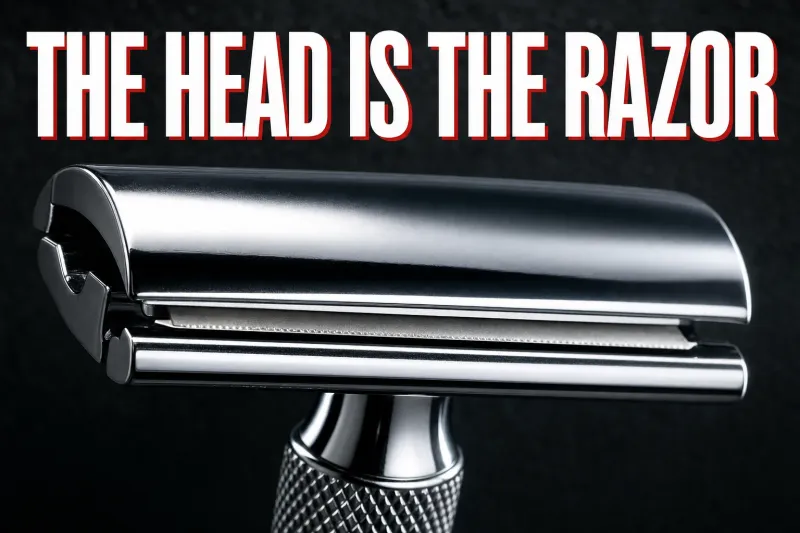
Two safety razors can look identical in a photo and shave nothing alike, because the head is the razor. Closed comb, open comb, slant, adjustable: here is what each head actually does to the blade, who each one suits, and how to pick your next one on purpose.
Read more →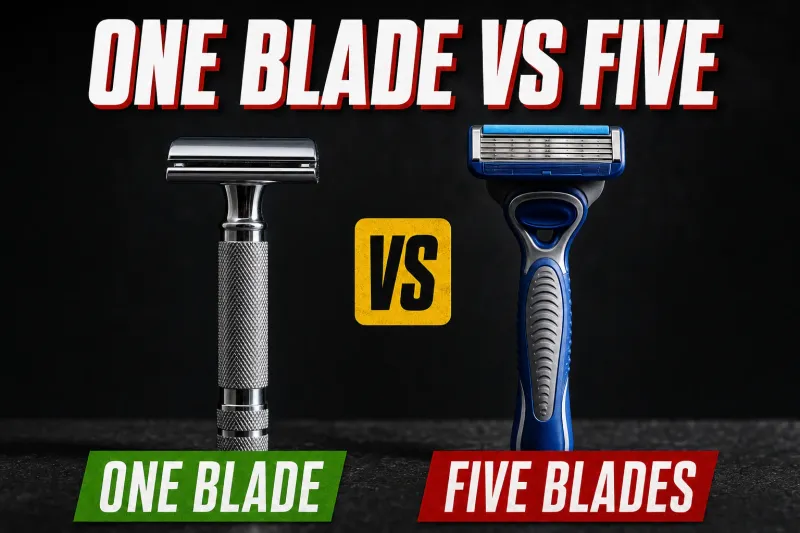
The five-blade cartridge was sold to you as progress, but the mechanism it uses to feel smooth is the same mechanism that causes ingrown hairs and razor burn. Here is what actually changes for your skin when you switch to one blade, and what the switch honestly asks of you.
Read more →
Ming Lee at Frank Shaving sent me their matte copper twist-to-open, and it might be the smoothest TTO I've ever used.
Read more →
Aaron admitted he'd thrown away his own Razorworks R1 by accident, and the group's confessions got a lot messier from there.
Read more →
A honeycomb-textured Van Yulay bowl, a sample of Raise the Bar soap, and the Leaf Twig razor add up to a close, no-irritation shave.
Read more →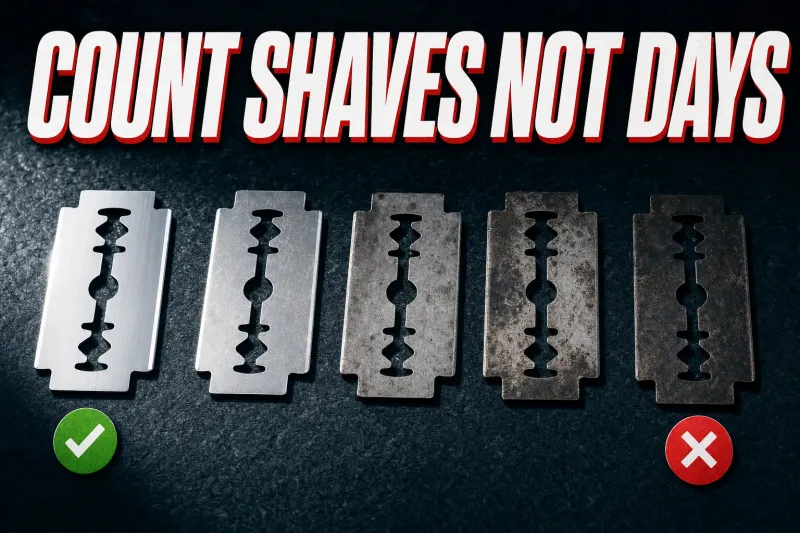
The honest answer is not a number of days. A double-edge blade lasts most shavers three to seven shaves, but the real signal is how it feels, not the calendar. Here is what actually wears a blade out, how to tell when it is done, and the myths to ignore.
Read more →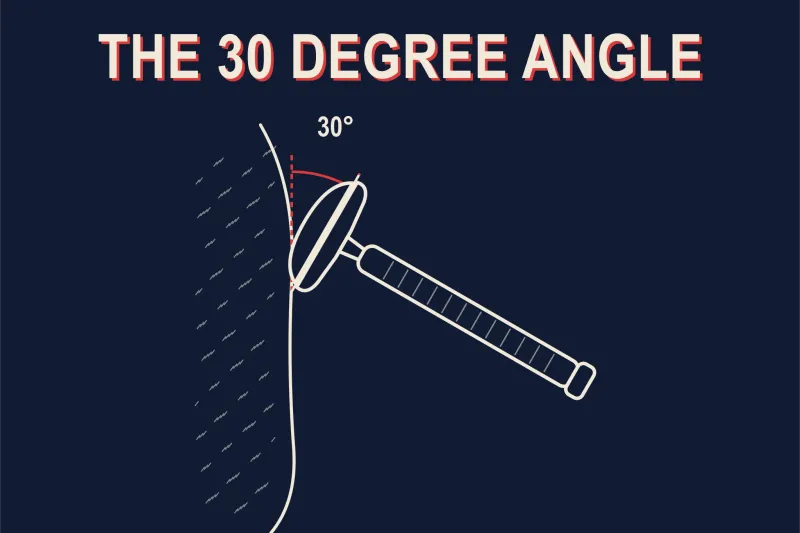
A safety razor gives a closer, cheaper, kinder shave than a cartridge once you know how to hold it. This is the complete beginner walkthrough: loading the blade, prepping, the angle, pressure, passes, and the handful of rules that turn a scary first shave into an easy daily one.
Read more →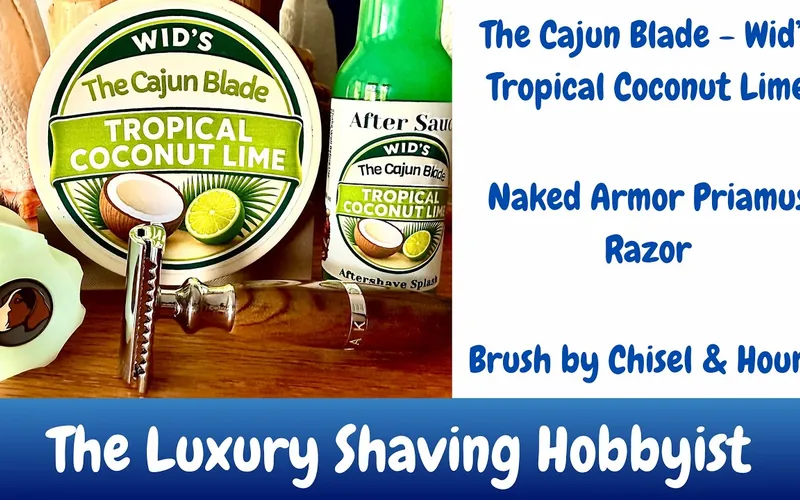
I put Naked Armor's new Priamus razor through five days of growth alongside The Cajun Blade's Wid's Tropical Coconut Lime soap and a brand new Chisel and Hound brush.
Read more →
One of the first stainless steel razors I ever bought, plus the Taylor of Old Bond Street raffle soap that came with a funny story about a London shop visit.
Read more →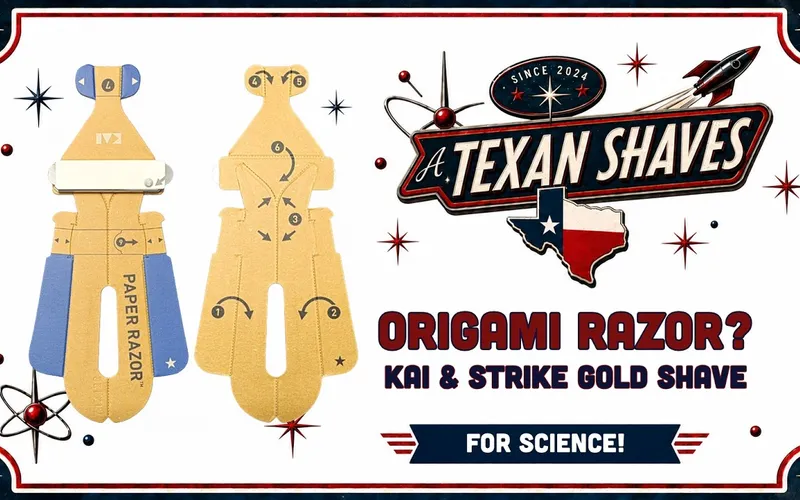
A folding paper razor from Japan sat in my drawer for two years before I finally tried it, and it gave me one of the more surprising shaves I've had in a while.
Read more →
My planned soap didn't survive Shucky's appetite, so I broke out Adopted Acres' new Stillhouse Spice instead, then snuck a surprise DE razor into the shave.
Read more →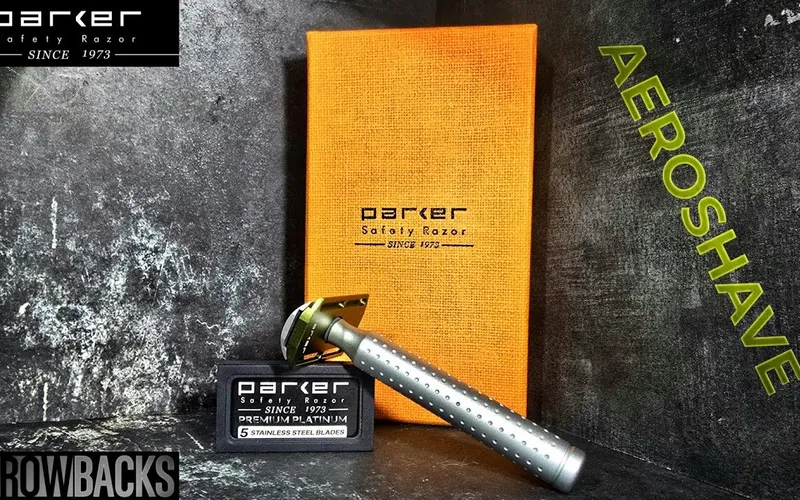
I've had the Parker Aeroshave for a couple months now, running it through my usual efficiency, symmetry, tolerance, and value breakdown against the Rex Supply Page.
Read more →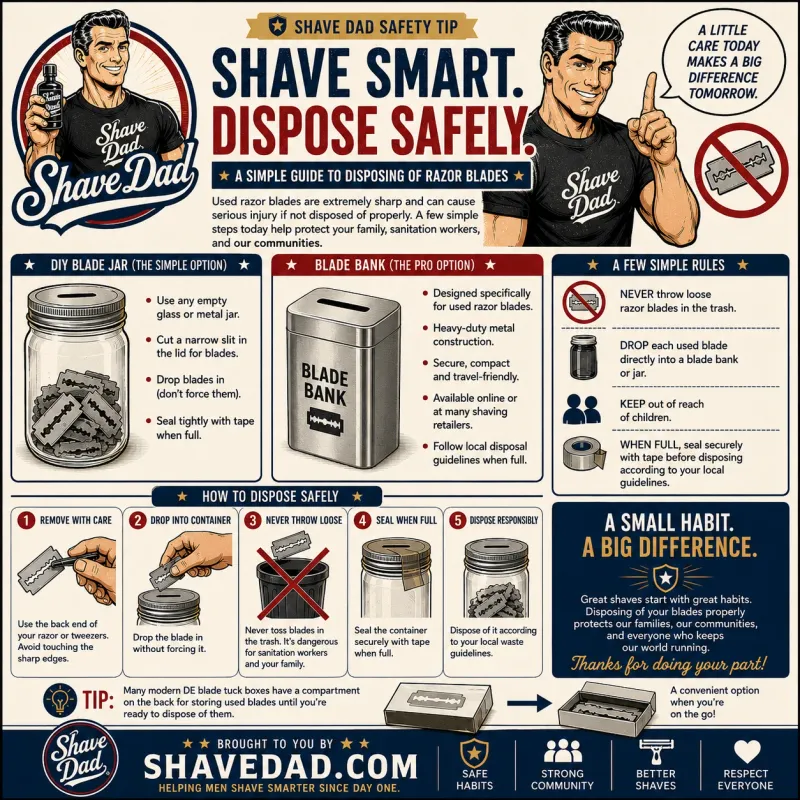
Jerry's safety reminder about used DE blades turned into eighteen comments of blade banks, coffee cans, and a real debate over whether they're even recyclable.
Read more →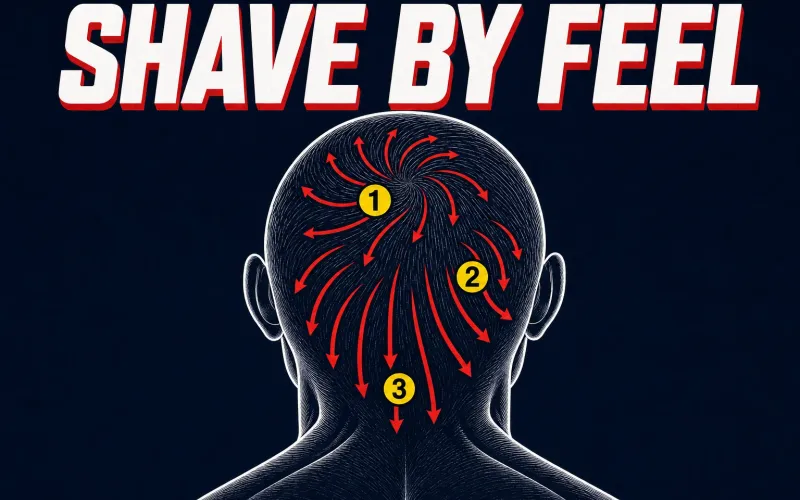
A safety razor gives a closer, cheaper, smoother head shave than a cartridge, but the scalp is bony, swirled, and impossible to see. Here is how to map your scalp, shave the back by feel, handle the tricky spots, and finish without a single nick.
Read more →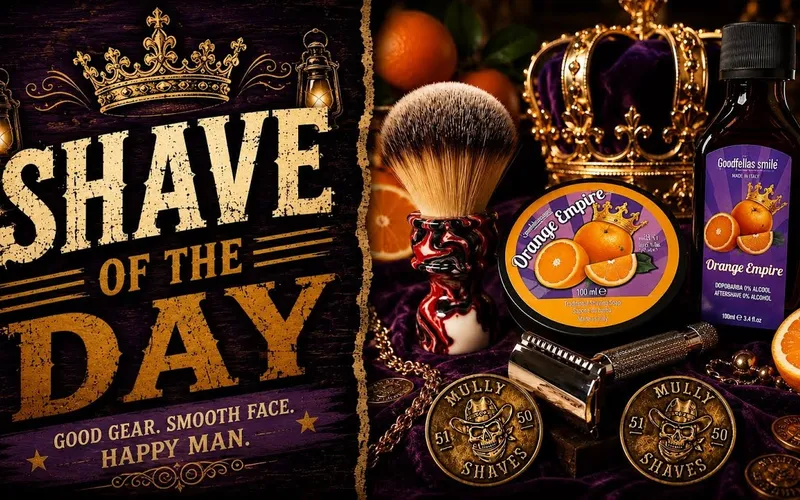
I've been hunting for a soap that actually smells like orange instead of grapefruit, and Goodfellas Smile Orange Empire might be the one that does it.
Read more →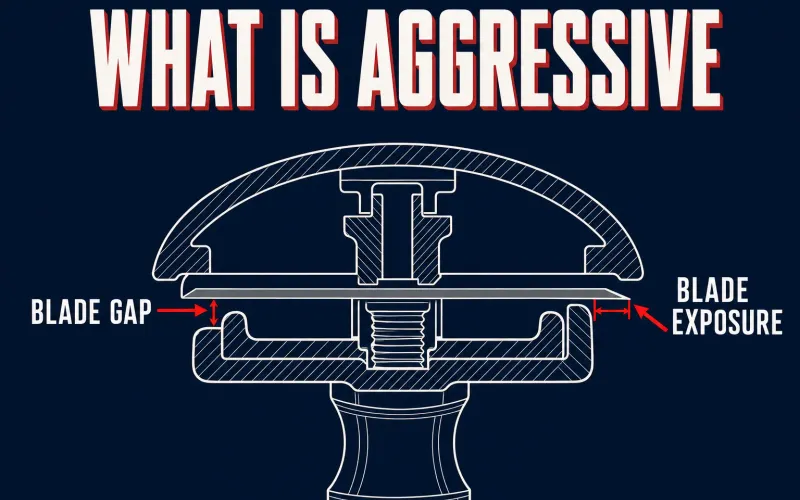
Aggressive is the most thrown-around and least-explained word in wet shaving. Here is what it actually measures, why it is not the same as efficient or sharp, where popular razors fall on the scale, and whether you actually need an aggressive razor.
Read more →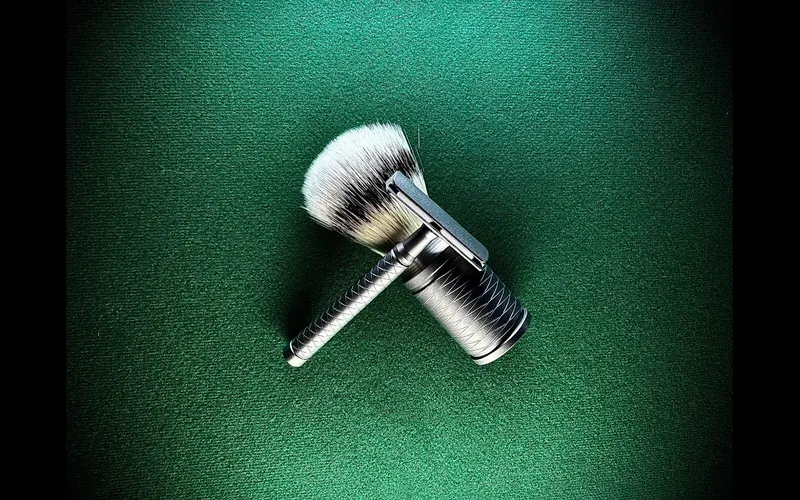
I'm working through my nine favorite stainless AC razors alphabetically, and the Shield AC just landed as one of the most aggressive of the bunch on paper.
Read more →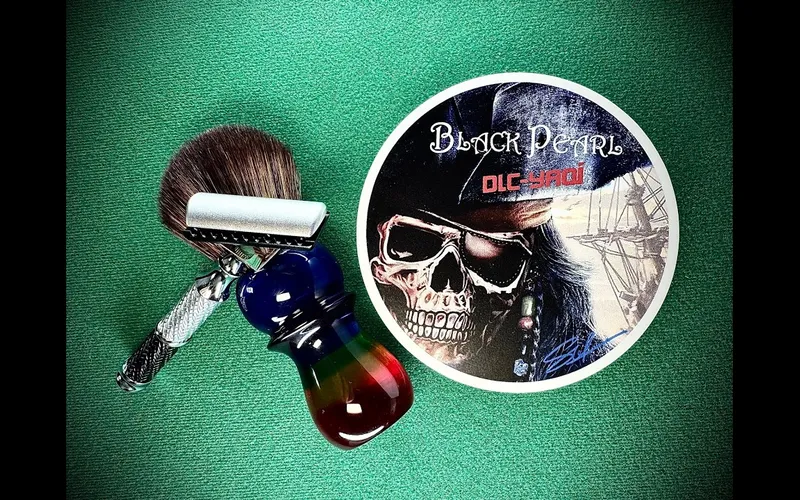
A 45-degree tilted head, an aluminum build, and a scent that brought back memories of my grandfather. Here's how the Yaqi Tilt Diagonal shaved.
Read more →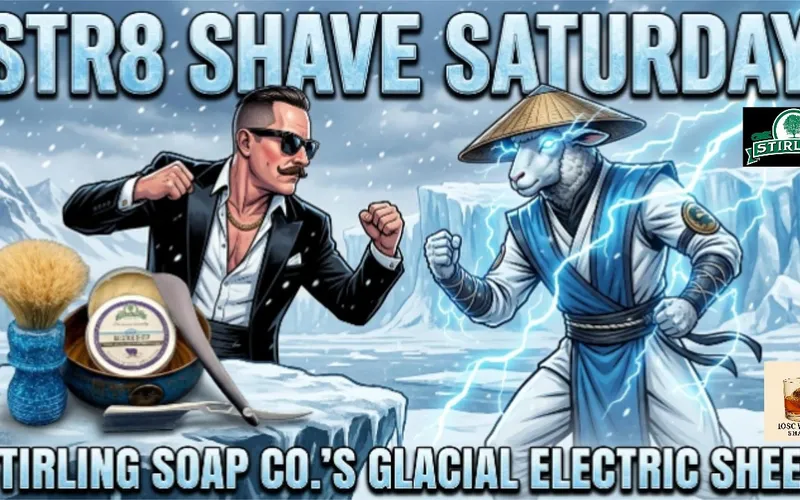
I break out Stirling's Glacial Electric Sheep, a brand new brush from Abominable Creations, and my trusty Teddy razor for another mentholated Straight Shave Saturday.
Read more →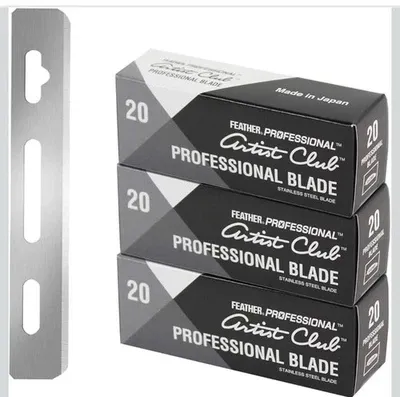
Mykyta asked the group what blade to run in his new AC razor, and the replies turned into a real buyer's guide, blade by blade, razor by razor.
Read more →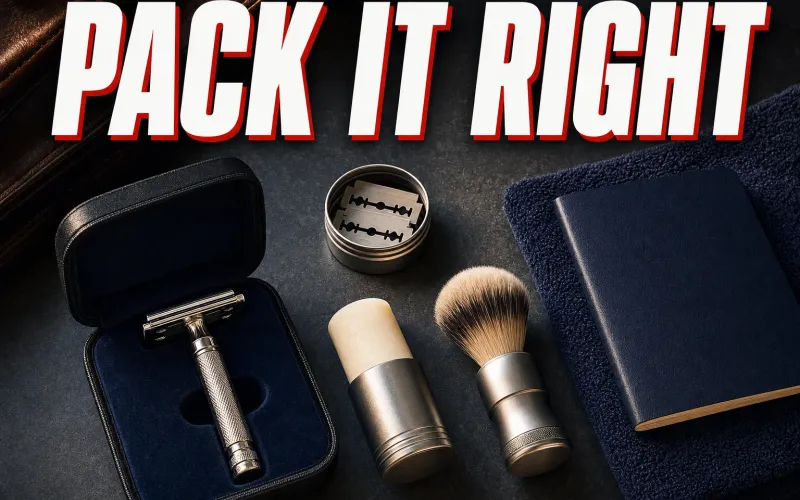
You can absolutely fly with your safety razor, as long as you know the one rule that catches everyone: the razor can ride in your carry-on, but the blades cannot. Here is how to pack the razor, the blades, and a travel-friendly soap the smart way.
Read more →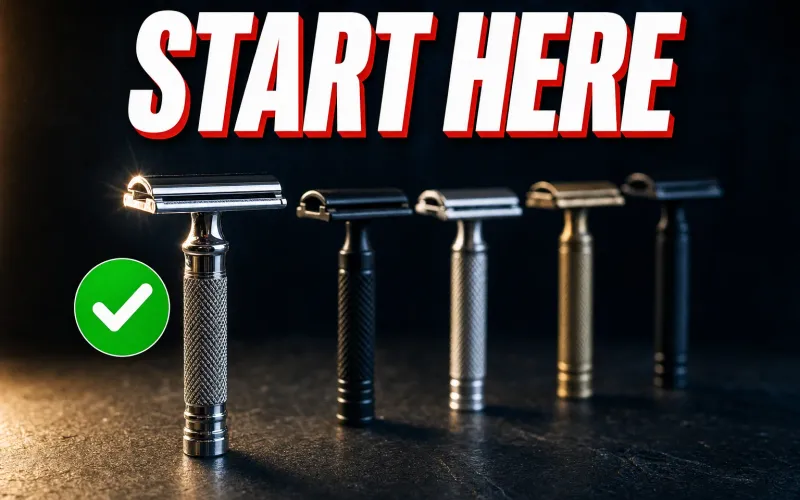
There is no single best beginner safety razor, but there is a short list of genuinely forgiving, widely available razors that any new shaver can start with and never outgrow. Here is that list, what makes a razor beginner-friendly, and how to choose in under a minute.
Read more →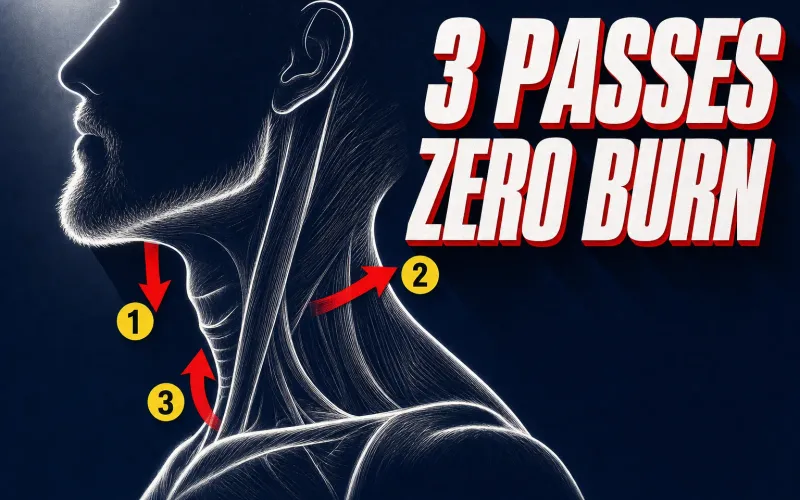
The neck is where good face-shavers still get irritation, and the reason is almost never the razor. It is that the neck has three to five grain directions most shavers never map. Here is how to read your neck and shave it in three clean passes.
Read more →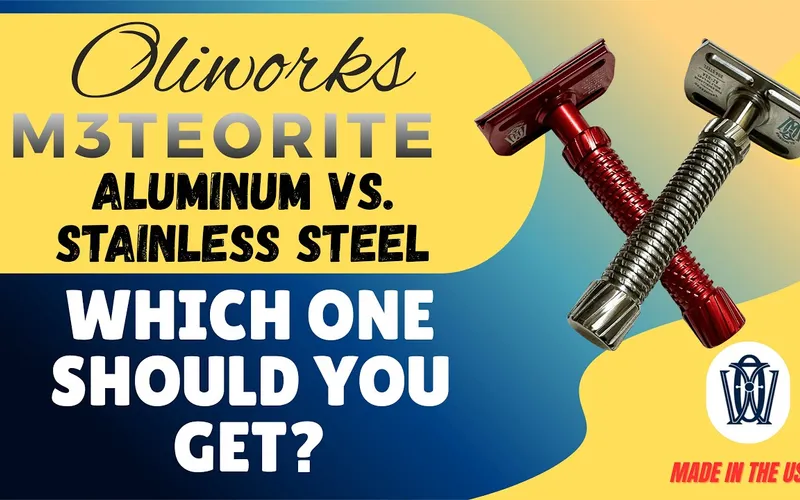
I spent 10 days switching between the aluminum and stainless M3teorite, back and forth, to figure out which one actually deserves a spot in your den.
Read more →
Most men who think they need a new safety razor actually need better technique. But there are a handful of genuine signs you have outgrown your razor, and each one points to a specific kind of upgrade. Here is how to tell which camp you are in.
Read more →
Day five with the same razor, same soap, same blade, and I'm noticing every little detail I used to miss.
Read more →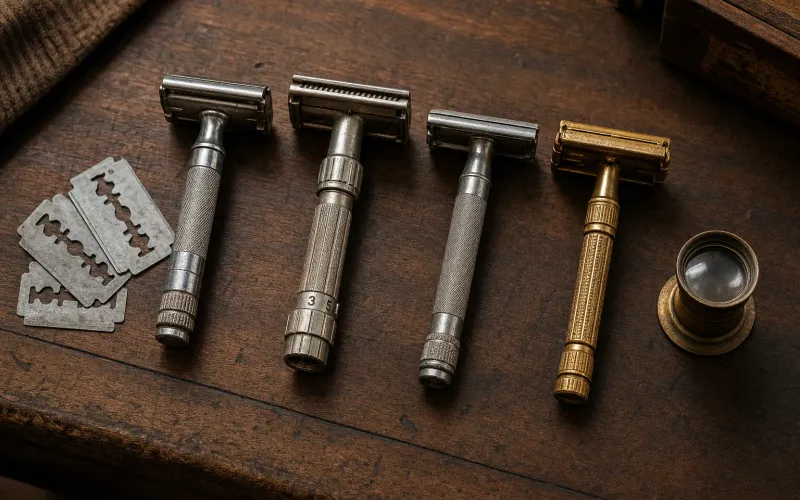
A tour of the vintage safety razors actually worth buying, what each one is, what it feels like, roughly when it was made, and how to buy one on the secondhand market without getting burned.
Read more →
I run down the Wholly Kaw and Chrille Shaver Mogud collab, whiskey and honey up top, tobacco and oud in the heart, then shave it with my vintage Eclipse Red Ring razor.
Read more →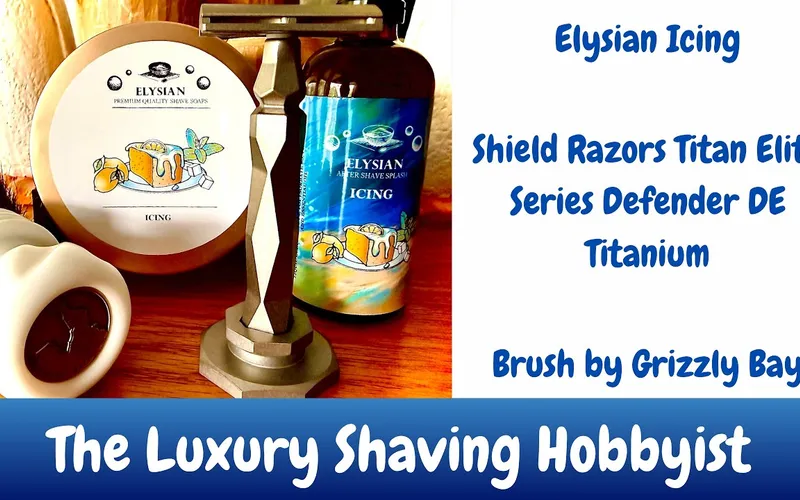
I'm shaving today with Elysian Icing, a lemon-menthol tallow soap from Shannon at Elysian Soap Shop, the Shield Titan Elite Defender titanium razor, and a new matte white brush from Grizzly Bay.
Read more →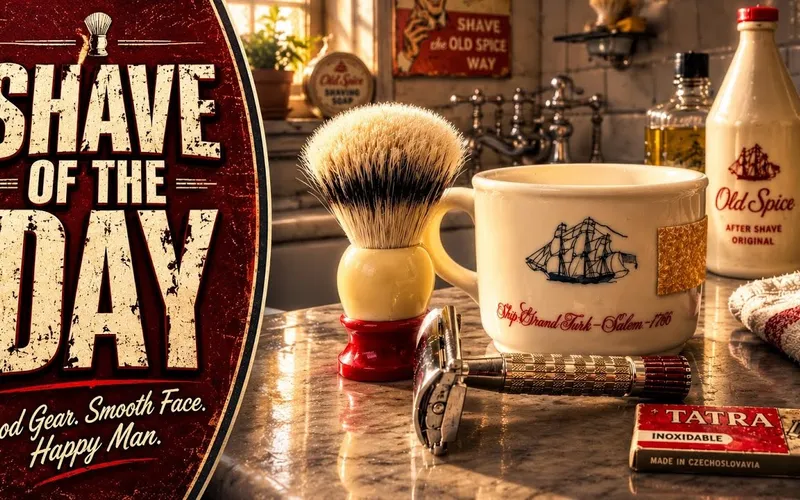
I'm setting the rotation aside for seven days: one soap, one brush, one razor, one blade, every morning. Day one is done, and the Tatra Red blade is already making me question my choices.
Read more →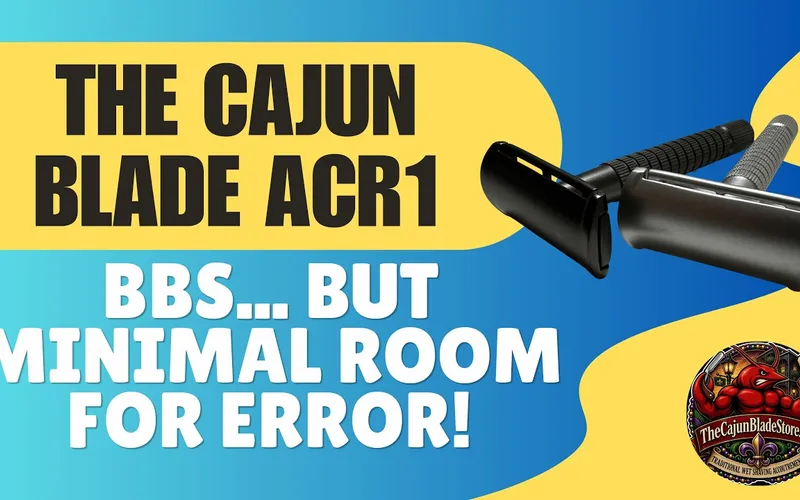
I thought the Cajun Blade ACR1 was too aggressive. Two weeks of deliberate technique work changed my mind, but this razor is still not for beginners.
Read more →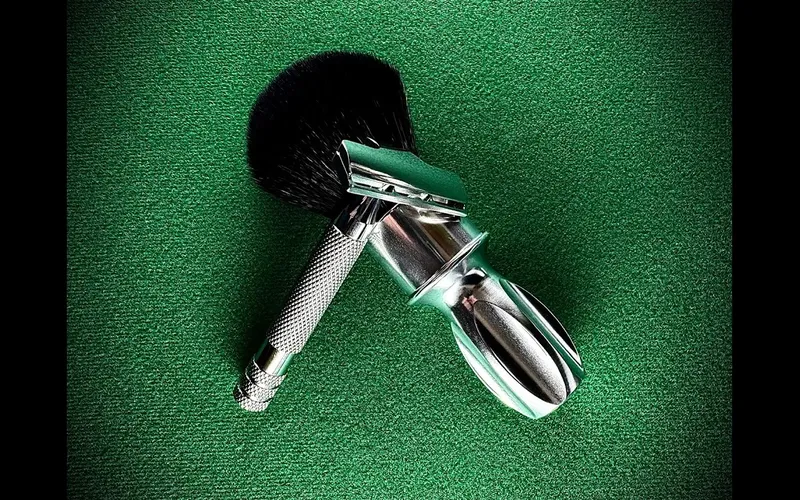
The RazoRock Hawk III sits at the center of my nine favorite stainless AC razors. Five years of use, dings included, and it still delivers every time.
Read more →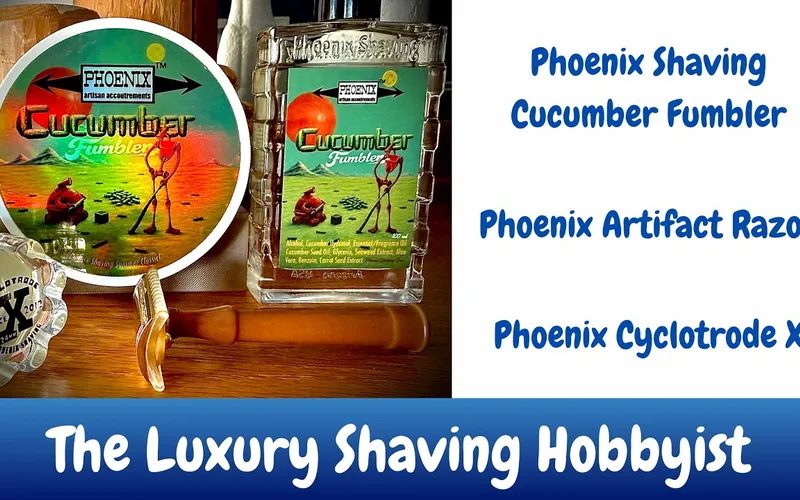
Glenn reviews Phoenix Shaving's Cucumber Fumbler, shaves with the Artifact razor and Cyclotrode X, and gives his honest take on the Bob Dylan show in Philadelphia.
Read more →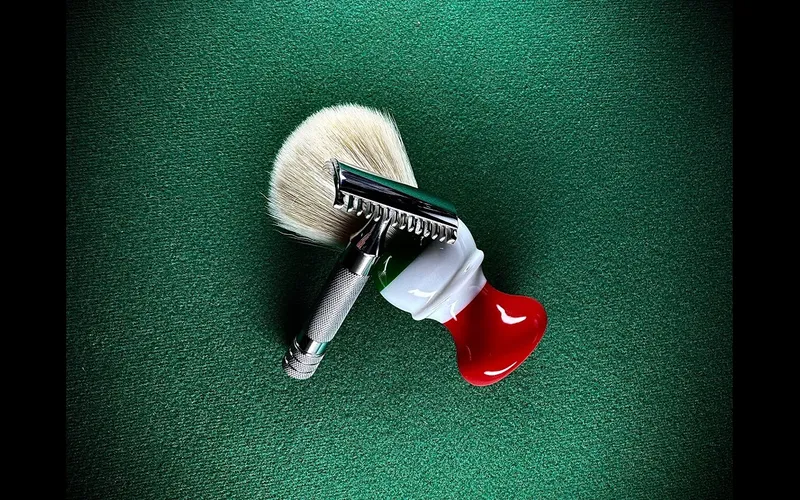
I've got five shaves on the Yaqi Lex now, a 316L stainless open comb from Yaqi. You feel the blade, you need the right angle, and I have the alum block out to prove it.
Read more →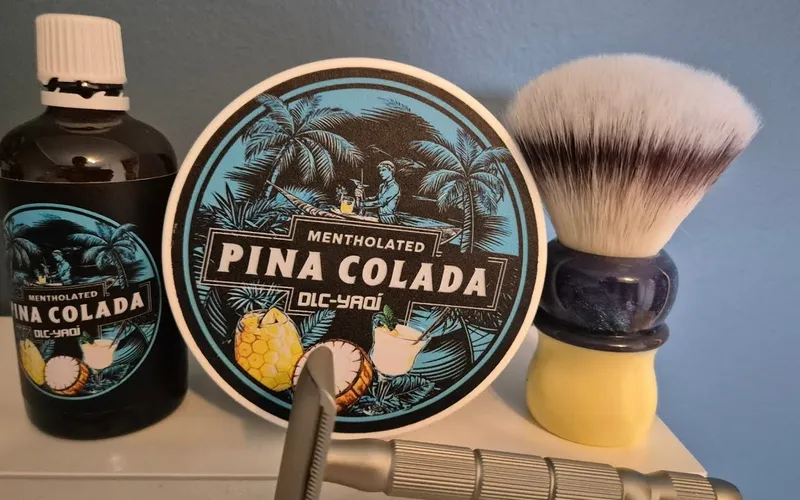
It's been blazing hot here all day and heavy menthol is the answer. Running the Yaqi Pinacolada Chillers soap and splash with the Caveem razor and the Yaqi Ice Tea brush.
Read more →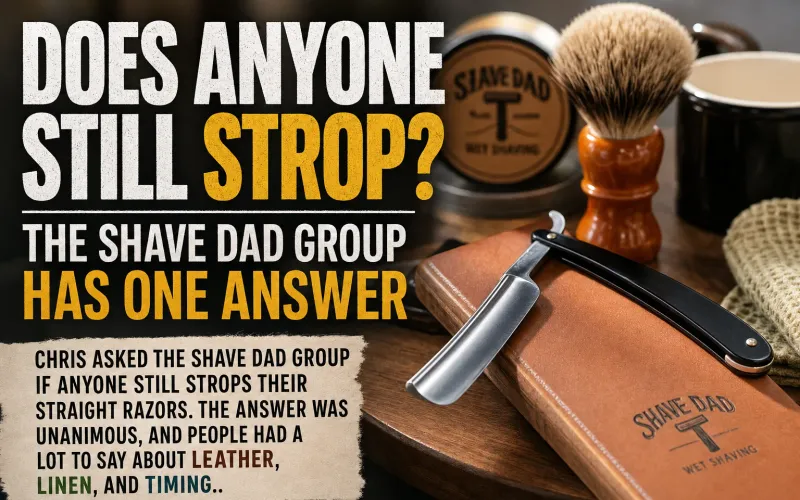
Chris asked the Shave Dad group if anyone still strops their straight razors. The answer was unanimous, and people had a lot to say about leather, linen, and timing.
Read more →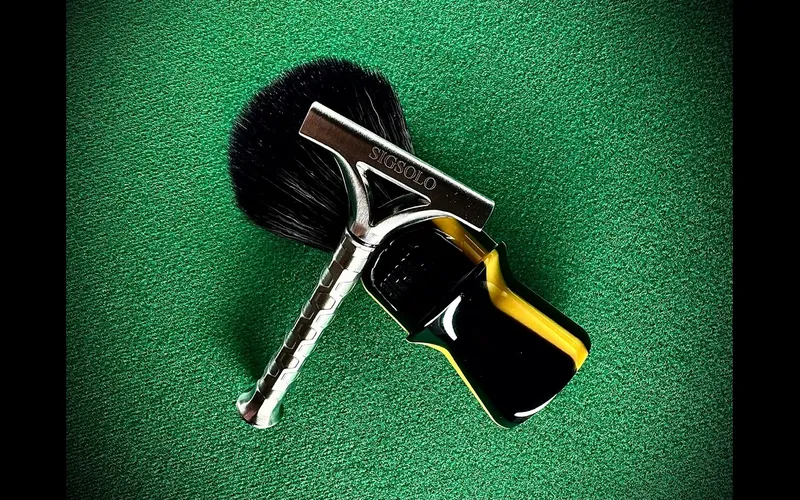
Shaving with my all-time favorite AC razor on my daughter's wedding day, and Frank Shaving is giving away a free SIG SOLO brush with the first 25 orders using my code.
Read more →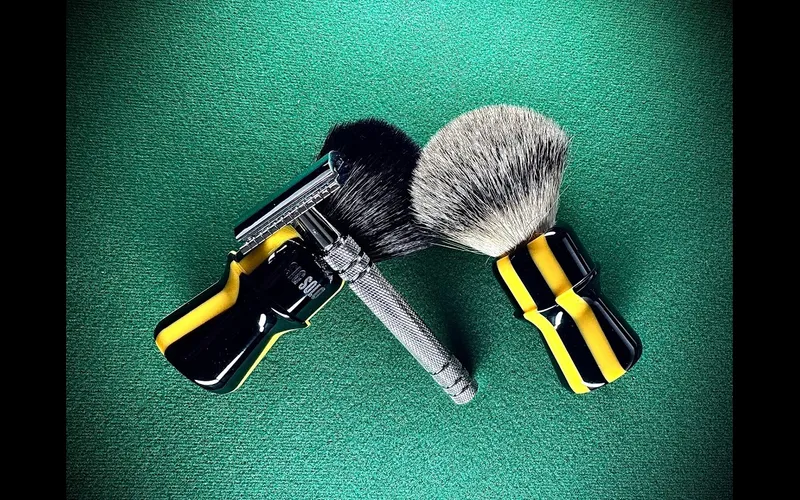
Ming at Frank Shaving built two custom SIG SOLO brushes, G5B synthetic and Manchurian Silvertip badger. I put them to work alongside his solid copper three-piece razor and MSC Louie.
Read more →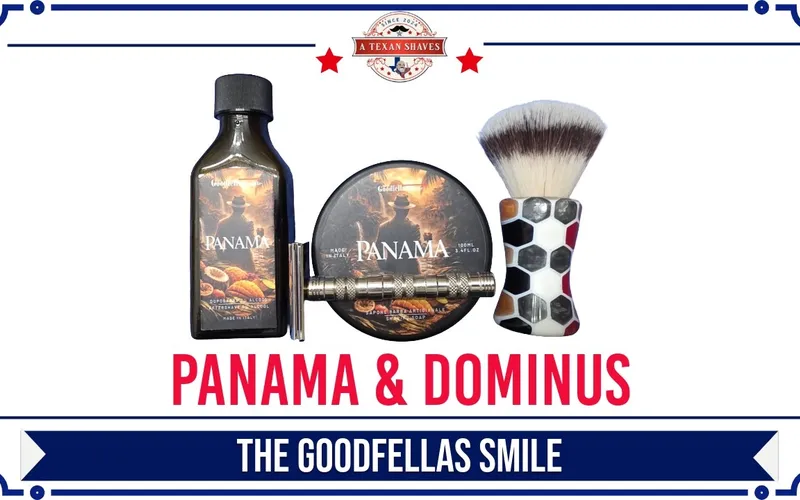
Brand new Goodfellas Smile gear landed: the Dominus razor and Panama soap, courtesy of Howie at Super Safety Razors. One shave in, I'm already calling Panama my favorite summer fragrance so far.
Read more →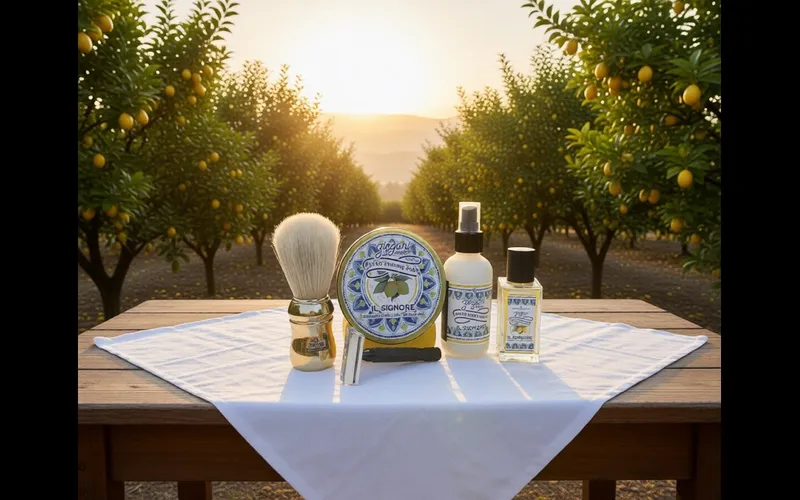
I finally cracked open the Zingari Man Il Signore trifecta I won at the Texas Wet Shavers meetup. Sicilian lemon, lime, fir absolute, and ambergris, paired with the RazoRock Cyber Razor.
Read more →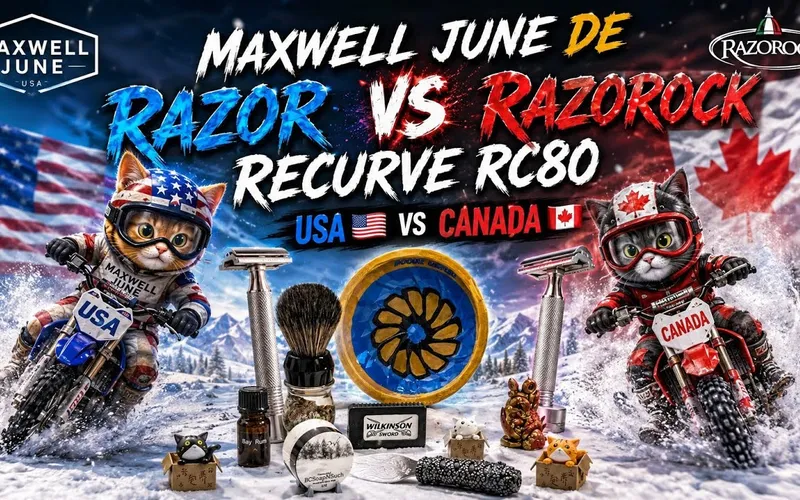
I finally did the comparison shave I promised: Maxwell June from the States against the RazoRock Recurve RC80 prototype from Canada. Two passes, two stainless razors, one very tough call.
Read more →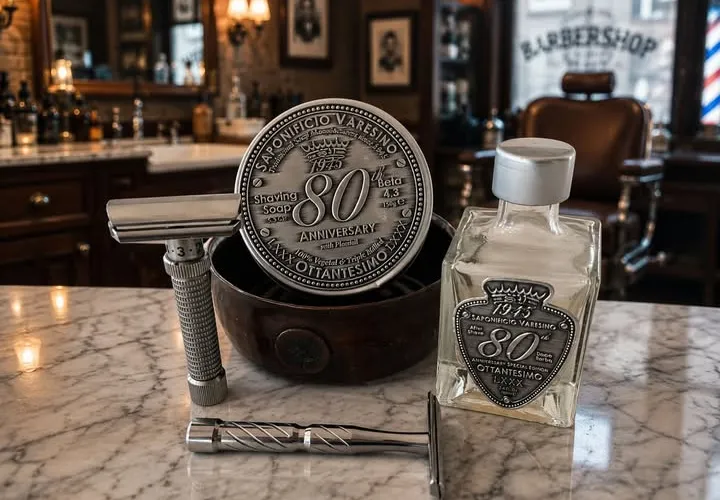
Ben keeps coming back to Saponificio Varesino's 80th Anniversary, and his post makes a strong case, plus a month-long Rex Ambassador experiment that's showing results.
Read more →
Jason shaves with a straight razor and a shavette and wants an SE razor that takes half DE blades with real efficiency. Here is what the group recommended.
Read more →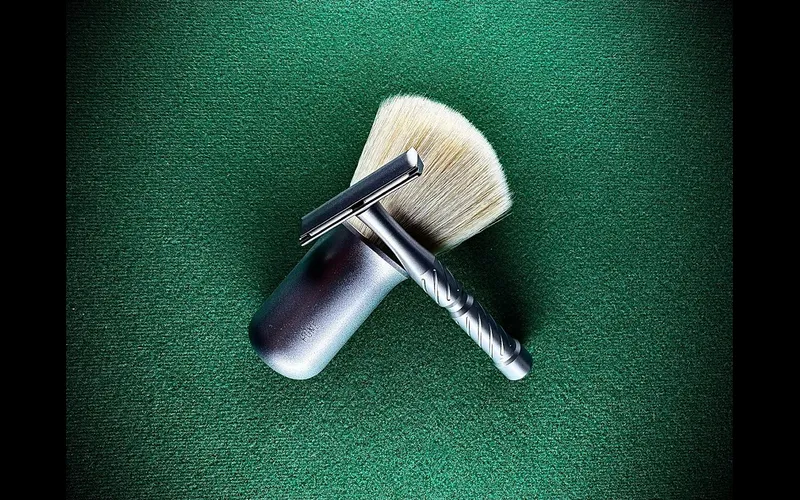
The Blackland Vector is in my top nine AC razors for a reason. Fourth of July felt like the right day to reach for an American razor.
Read more →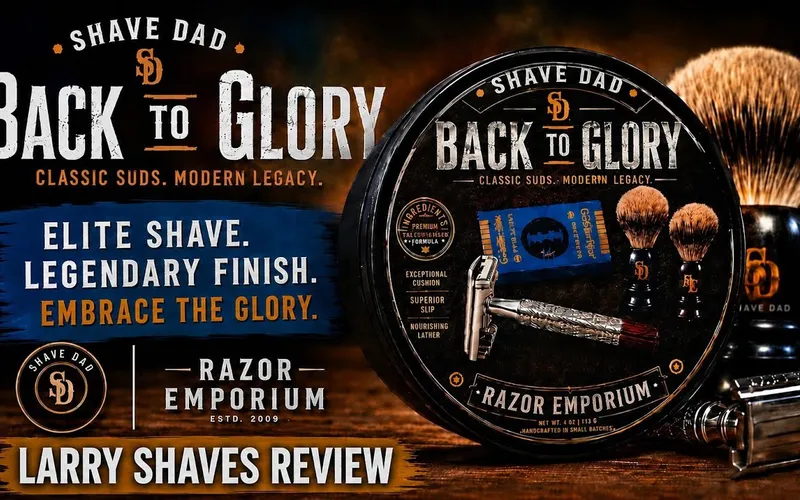
Shave Dad and Razor Emporium teamed up on Back to Glory to honor the pre-cartridge era. I put it through a two-pass shave this Fourth of July weekend, and this soap delivers.
Read more →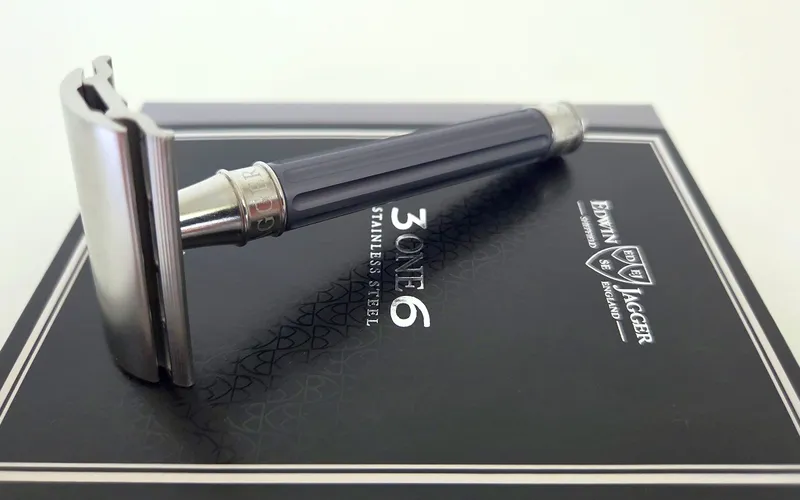
Many of you asked me to try the Edwin Jagger 3ONE6. I borrowed one from a friend, used it before filming, and now I'm probably buying one.
Read more →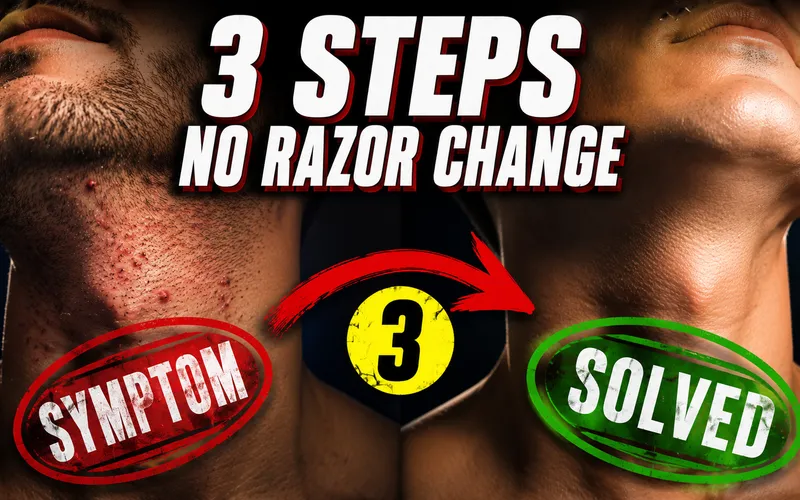
Technique and what you do before and after the shave matter for ingrown hairs, not just the razor you use. Three steps fix it, and you can start tonight with the razor you already own.
Read more →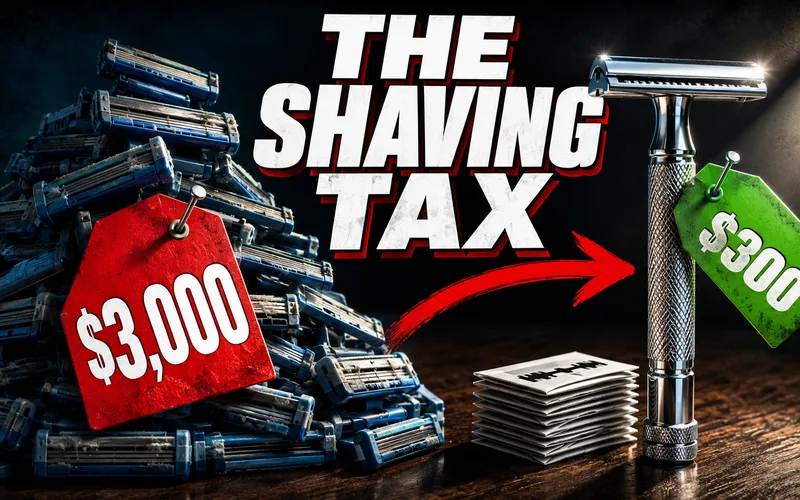
Cartridge razors are a subscription in disguise. A double-edge razor pays for itself in about four months and saves the average shaver around $250 every year after. Here is the math with numbers, and here is what to buy instead.
Read more →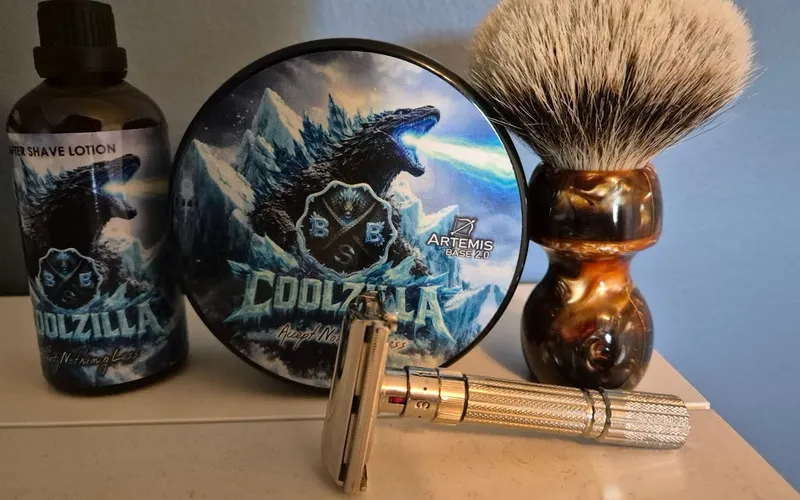
Back from vacation with nine days of growth and a craving for something cold. BBS Coolzilla, the Gillette Fatboy, and the Yaqi Caramel get the job done.
Read more →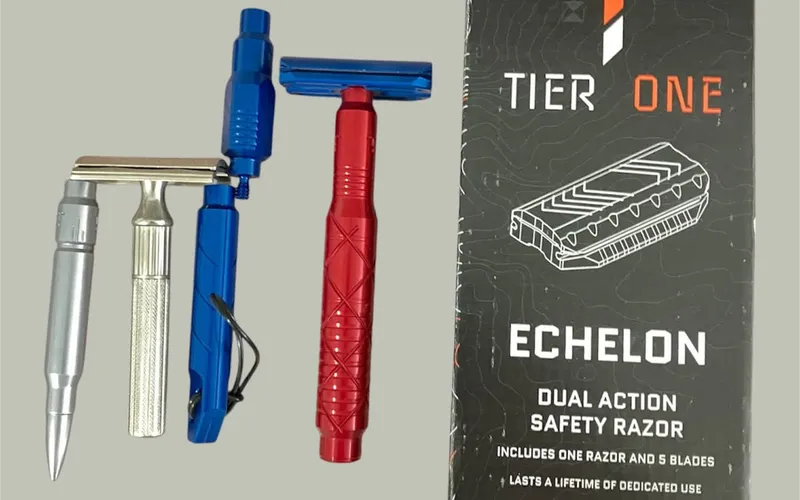
The Tier One Echelon has a dual-action head. One side does the heavy lifting on coarse growth, the other refines for finishing passes. I put it through several shaves across three handles. Here is the take.
Read more →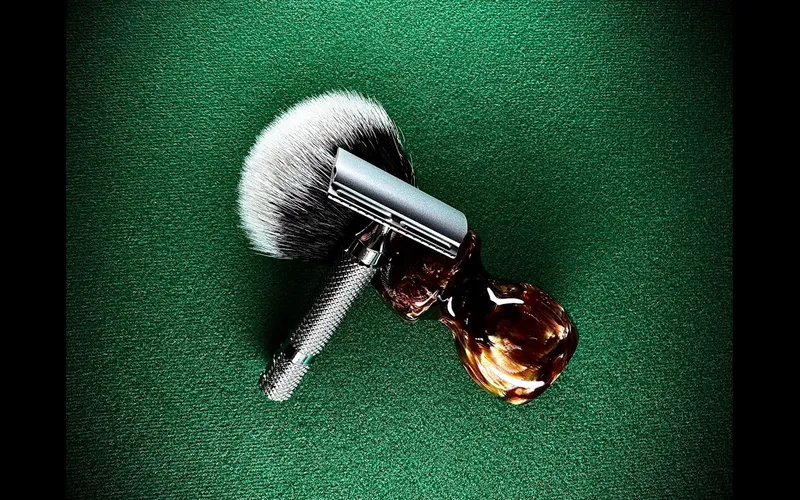
The Yaqi Précise arrived looking like a direct copy of my favourite razor, the Blutt Rasur 120. After one shave with it, I can't argue with the result.
Read more →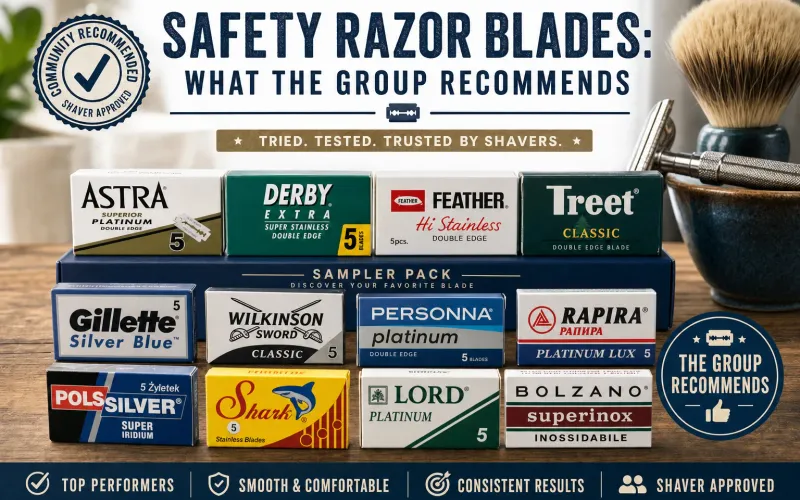
Ask the Shave Dad group what blade to buy and the first answer is unanimous: get a sample pack. After that, opinions branch into a solid shortlist of group favorites.
Read more →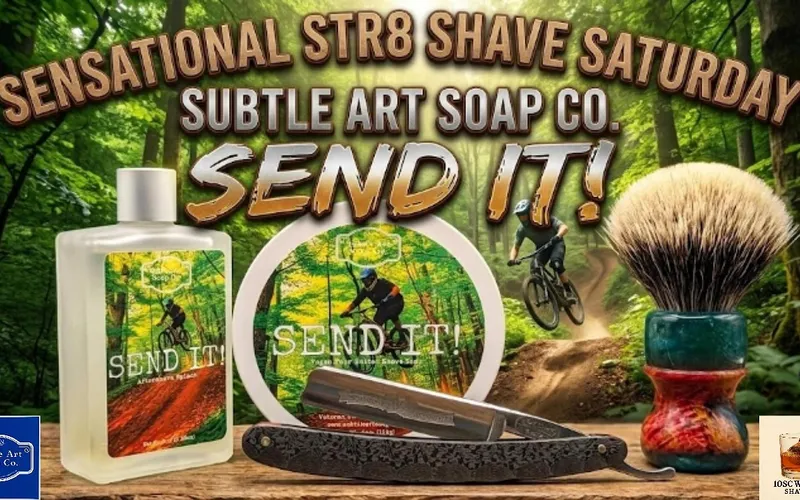
Joe at Subtle Art dropped Send It on June 23rd: a ten-note fougère-meets-chypre in his V4B vegan base. Here's the full note-by-note breakdown plus a straight razor shave with the Ralf Aust 5/8.
Read more →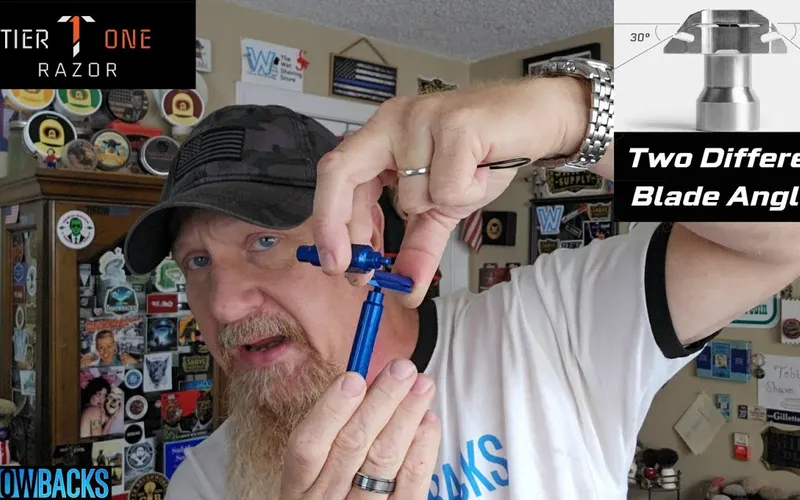
First look at the Echelon Elite from Tier One Razors, a father-and-son operation in Milwaukee that's been machining AR components since 2016 and just turned that same shop on wet shaving.
Read more →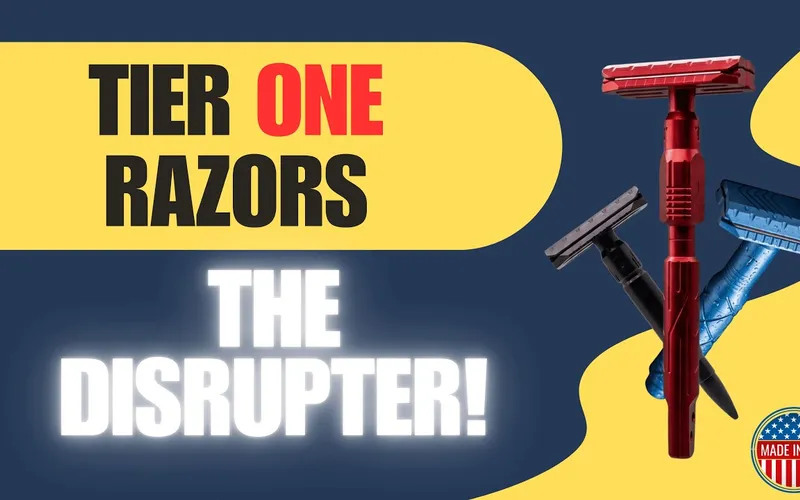
The new US-made Tier One safety razor shares some DNA with the Henson and Tatara, but the geometry is its own. I compared the specs side-by-side and ran it through a real shave to see what it actually does differently.
Read more →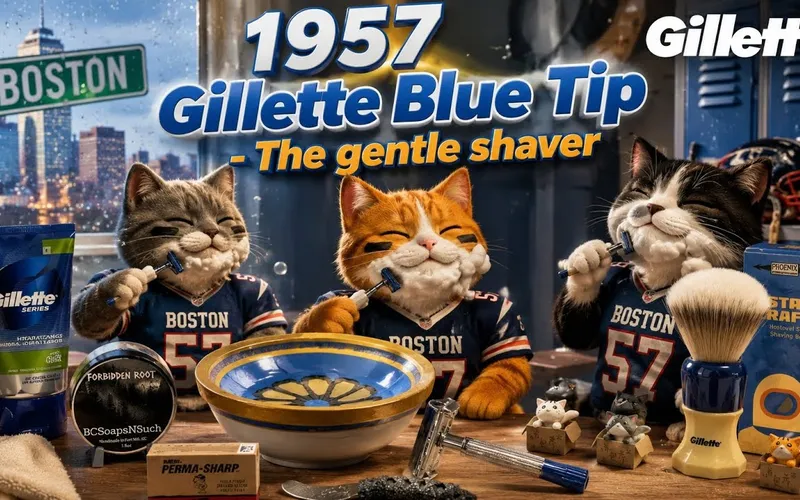
I put the vintage Gillette Blue Tip through two passes today. Mild, forgiving, BBS. Here's how it went.
Read more →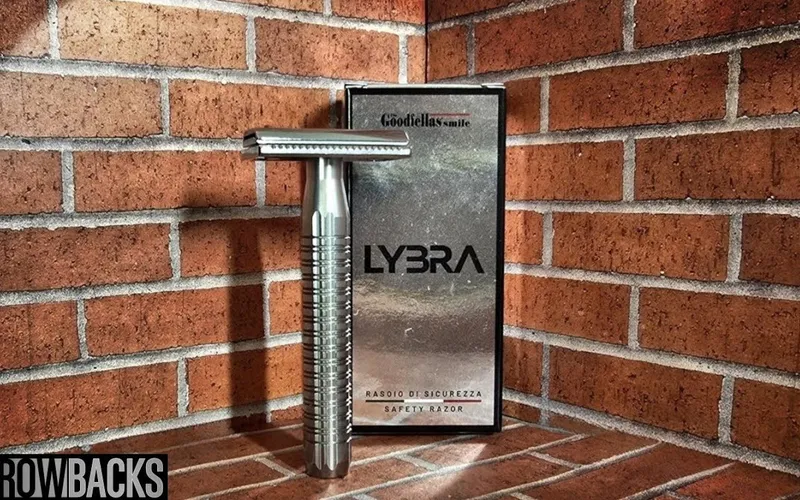
Episode 38 in my razor review series: the Goodfellas Smile Lybra, on loan from a friend and about 30 shaves in. Two plates, one massive jump between them, and an ongoing search for something in the middle.
Read more →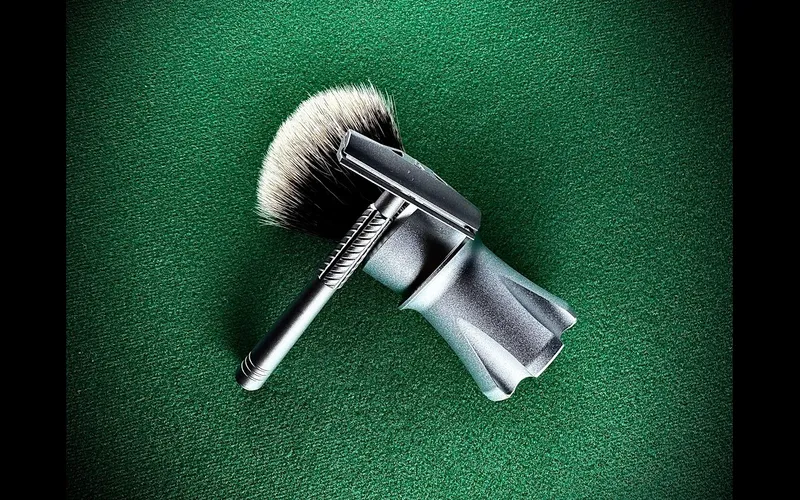
Kaleb at Aylsworth sent me the new Atelier AC razor in satin finish. Fifty-seven grams, 0.5mm gap, Feather Professional on its first use, three and a half days of stubble. Here is what I found.
Read more →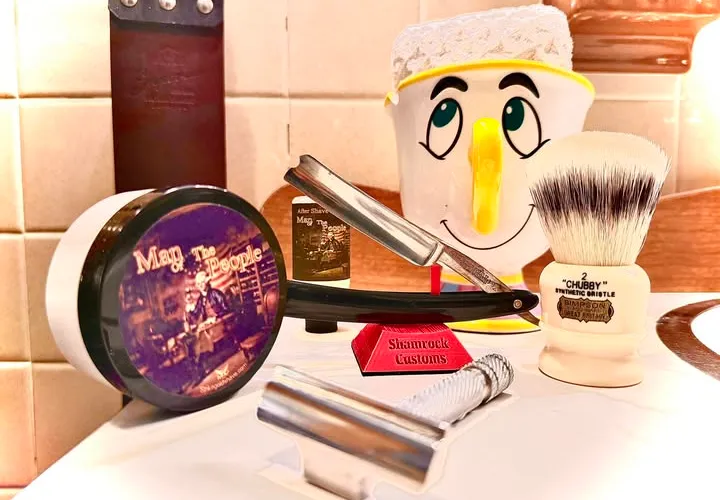
Strike Gold Shave Man of the People is a wine-inspired tallow soap and matching splash. Grape Nerds candy on the first sniff, quiet confidence a few passes in, and slick enough to carry a straight razor through a dense beard.
Read more →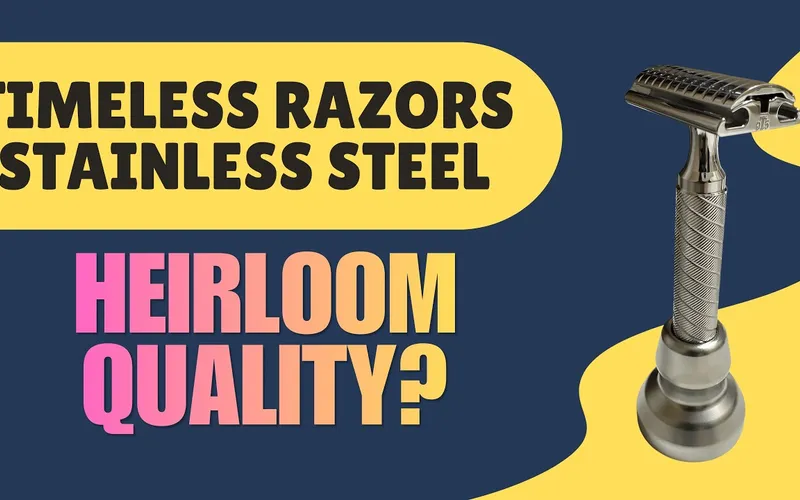
I had a complicated start with Timeless Razors. After three weeks with the stainless steel model, I finally started to get what all the fuss is about - or at least I think I do.
Read more →
Razor burn does not have to be part of your shave. Seven steps from prep to post-shave that fix the most common causes of irritation, written for wet shavers building a routine that respects their face.
Read more →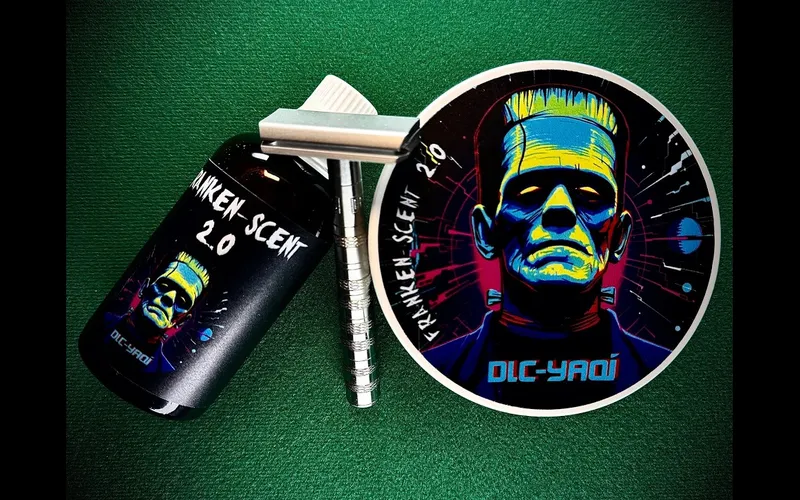
Three shipments, two lost in transit. The Yaqi Tile Ex finally made it to Greenland, and I paired it with a Henson stainless steel handle for a full stainless kit I couldn't buy anywhere else.
Read more →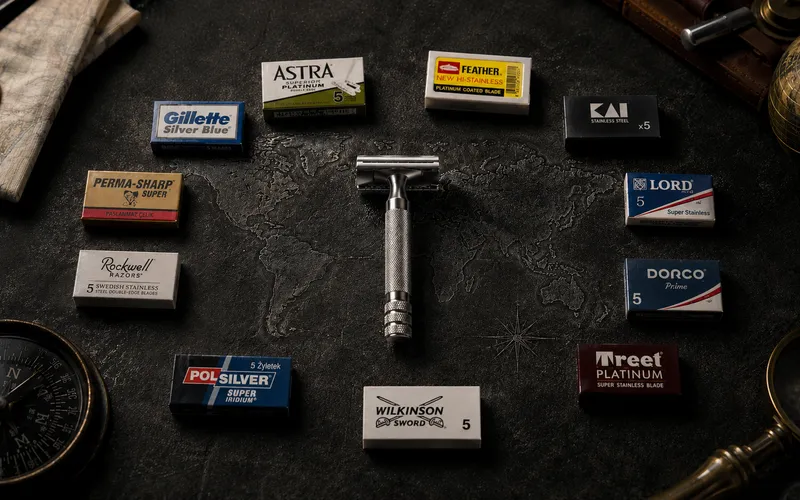
A discovery tour of the double-edge razor blades worth knowing, grouped by where they come from and what kind of shavers reach for them. Not a ranking, a map of the territory.
Read more →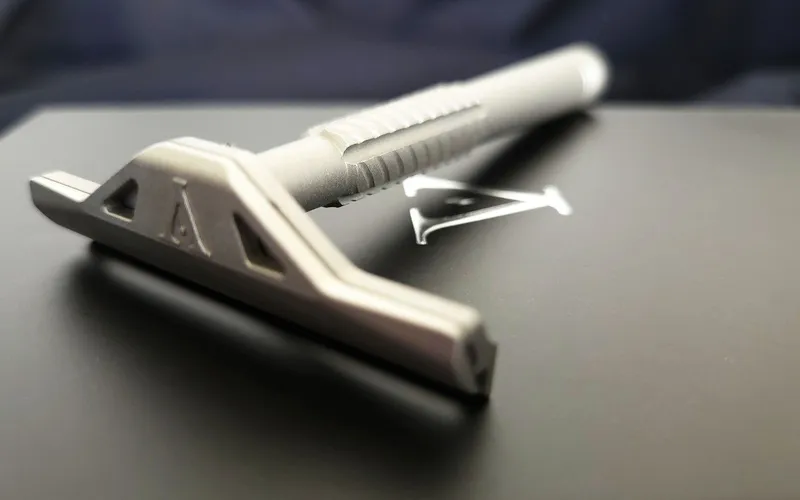
My first Artist Club razor, and Aylsworth's Atelier in satin finish delivered a BBS result with zero alum reaction.
Read more →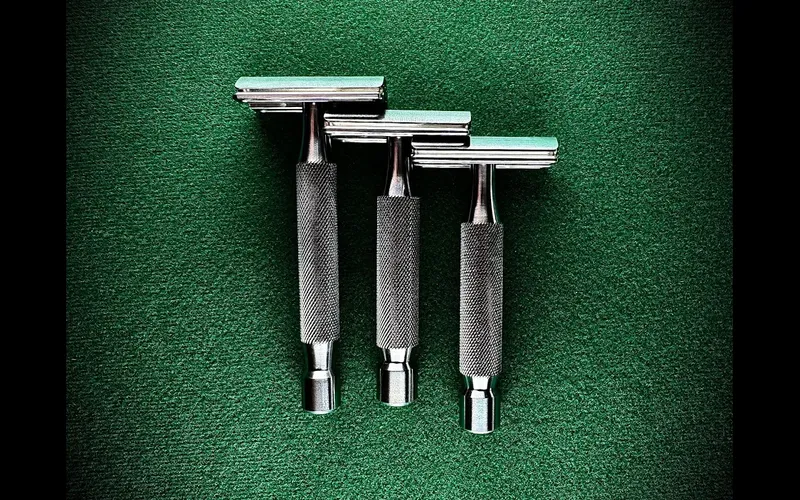
The Maxwell June system runs on top caps, not base plates. I'm putting the new SX through three and a half days of stubble, paired with Cella Riserva Fresco sent over by Lou from Canada.
Read more →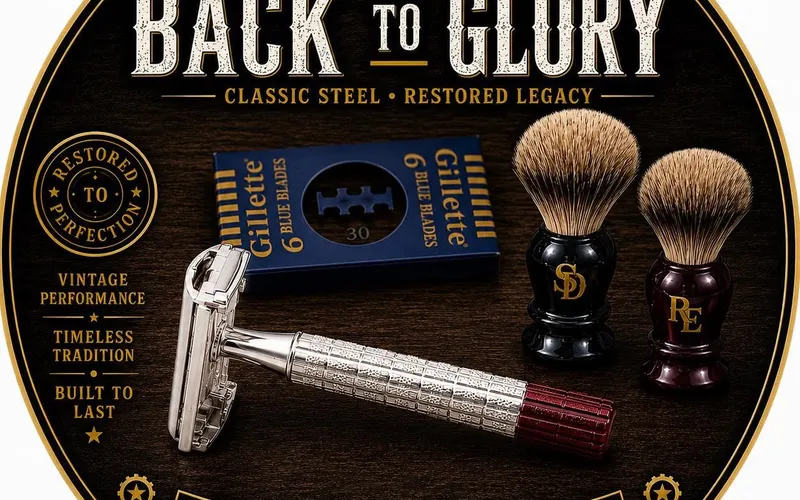
Shave Dad and Razor Emporium's Back To Glory drops Friday, June 12. Bergamot, lavender, cedarwood, amber. A tribute to the vintage razors and rituals that built the hobby. Exclusively at Razor Emporium.
Read more →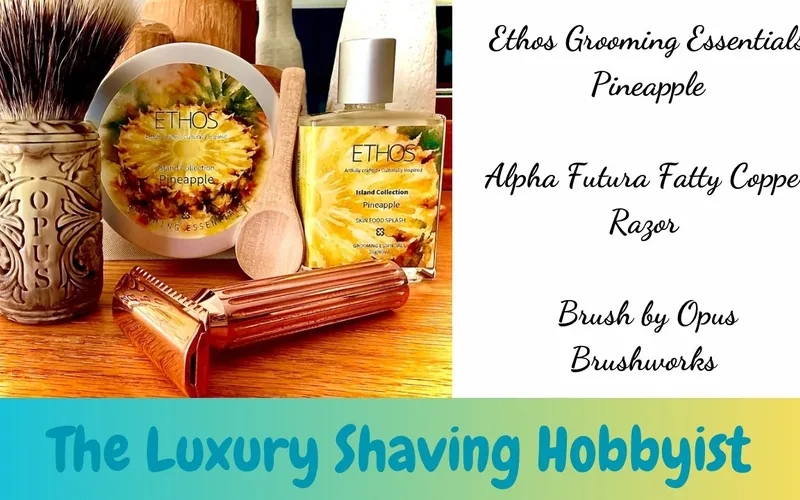
Three brand-new items on the bench: Ethos Pineapple from the Island Collection, the Alpha Futura Fatty copper razor, and a hand-carved Opus Brushworks brush. One week of growth. One BBS shave.
Read more →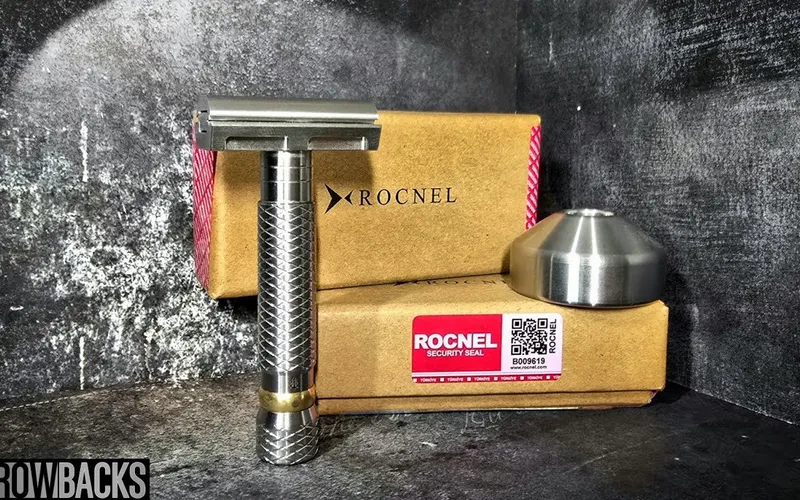
Episode 37 in my razor review series. I've shaved with this thing 30 times, and it's a $1,300-plus razor with a blade alignment problem. Let's get into it.
Read more →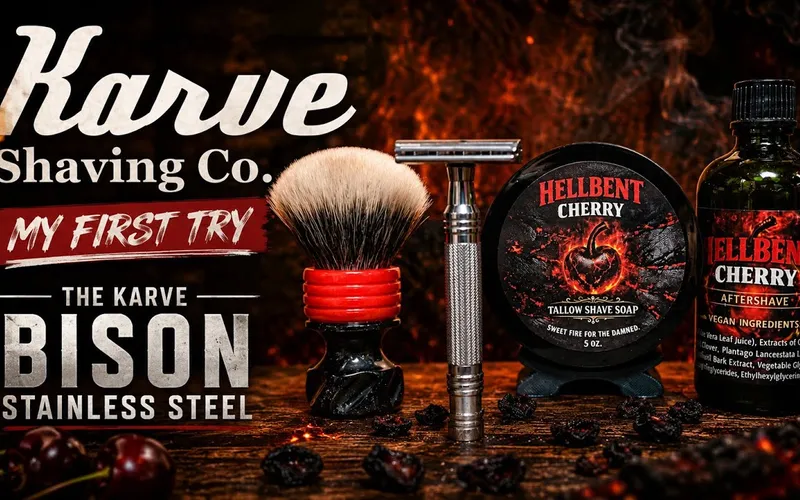
Brett loaned me his polished Karve Bison stainless steel for a first run, paired with Soap Palooza Hellbent Cherry. Mild, comfortable, and very close to the Overlander - maybe too close.
Read more →
Testing a Vermont Green Slate edge on an eBay Fox Cutlery 11/16, plus a first look at RazoRock Mudder Focker. Honest verdict: the edge shaves, and the soap is better than I expected.
Read more →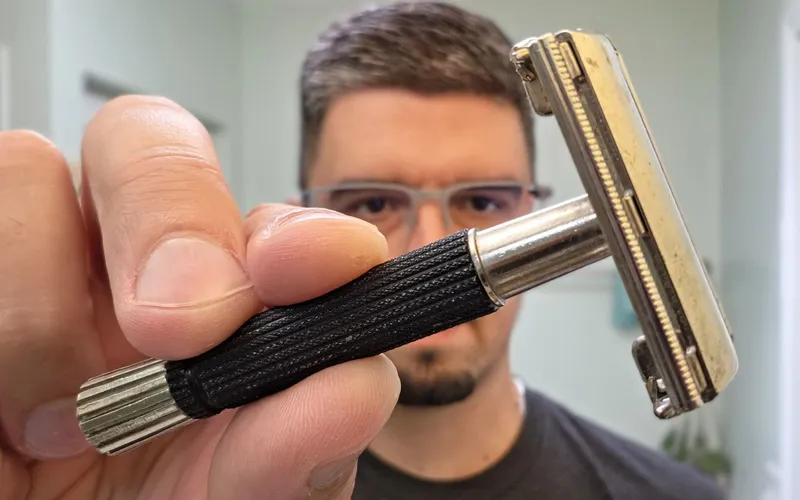
Aaron's 1974 Gillette black handled Super Speed gets a full three-pass shave. Fifty years of wear shows up in the butterfly mechanism, and the alum confirms exactly which side was which.
Read more →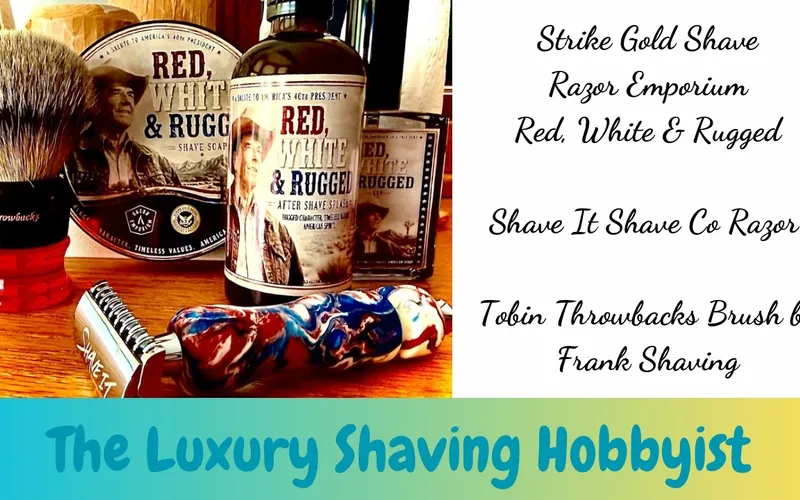
Red, White & Rugged dupes Avon Wild Country, and the nostalgia hit is real. Full three-pass shave with the Frank Shaving Tobin Throwbacks brush and a Shave It Shave Co razor.
Read more →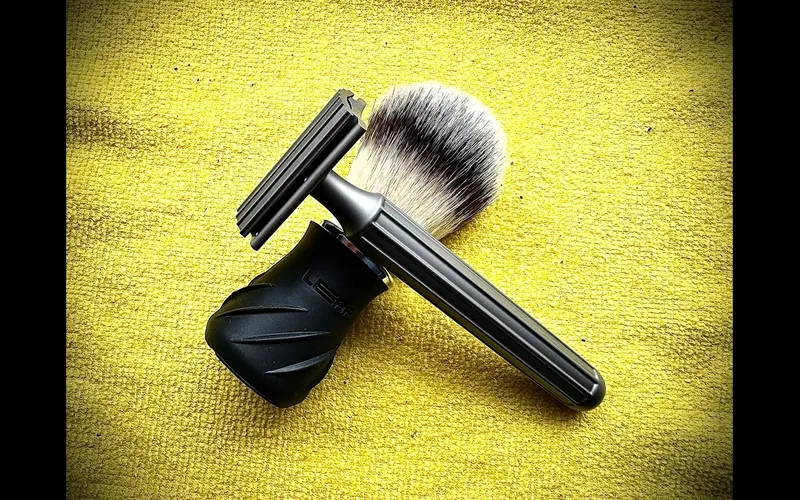
My first razor from Design94, the titanium, gets a travel shave in a late-70s hotel under the midnight sun. Heavy for titanium, negative exposure, and the Nivea kit I'd pick over everything else.
Read more →
I had to go back and rehone the M. Jung 6/8 because the edge from my honing video wasn't good enough. Second pass, TCB Berry Chill in the cup, a lot of menthol, and a hot South Louisiana morning.
Read more →
Damon won a Van Yulay scent contest, and Riding Rhonda is what came out of it. He also puts the Blackland Blackbird through two passes and gives his honest take.
Read more →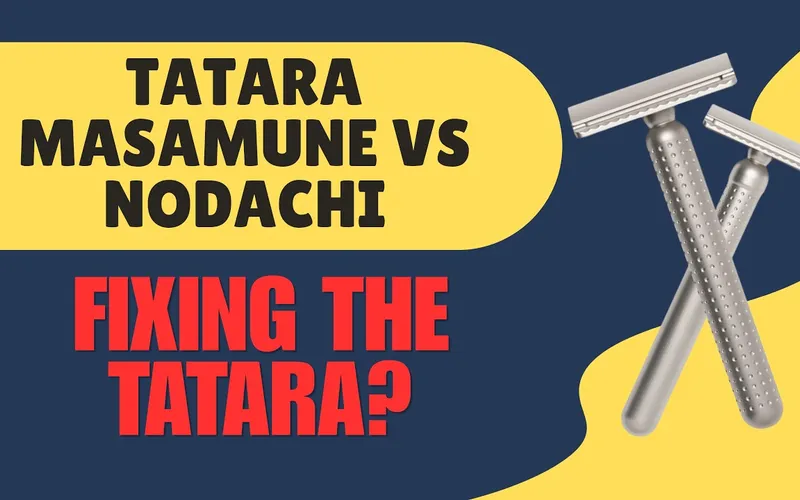
Neither the Masamune nor the Nodachi worked for me out of the box. One was too mild, the other drew blood. Here's how mixing parts from both finally got me a decent shave.
Read more →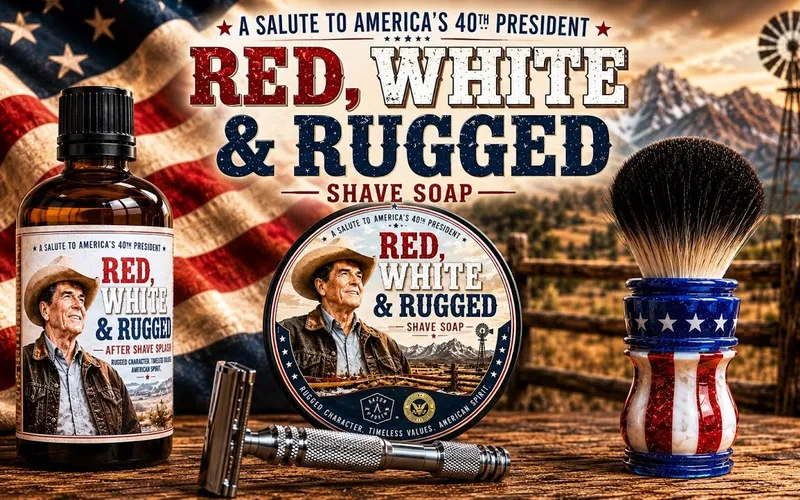
Frank at Strike Gold Shave sent me the Red, White & Rugged collab with Razor Emporium - a Reagan-inspired release built on the DNA of Avon Wild Country. Here's my full shave review.
Read more →
Charles asked the Shave Dad group: open comb or closed? Twenty-six members weighed in, and the breakdown tells you something useful about guard geometry and how to pick.
Read more →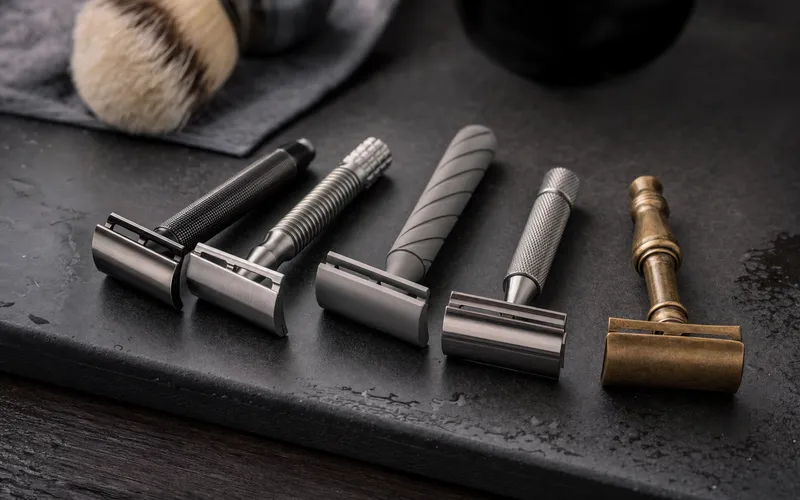
The Rex Konsul ran away with the vote, but Yaqi, the Wunderbar, Above The Tie, and a Danish antique all had their people. Real picks, real shavers.
Read more →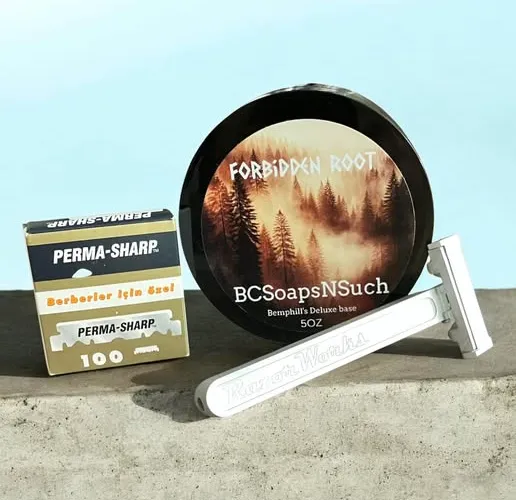
Jerry reviewed the Razor Works razor and Forbidden Root soap by BCSoapsNSuch ahead of a group pass-around. There's a learning curve on the razor. The soap was a genuine surprise from a newer artisan.
Read more →
The Shave Dad Flea Market runs daily in 2026. Razors, soaps, brushes, full trifectas: members buy, sell, and trade in the comments every day. Here's how it works.
Read more →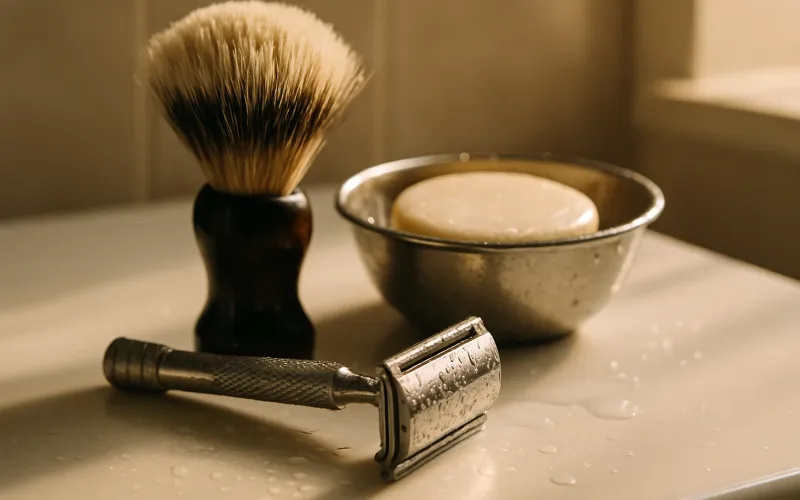
Four main approaches came out of this thread: dish soap and a toothbrush, ultrasonic cleaners, a DIY disinfecting spray, and rinsing with water alone. All practical, all valid.
Read more →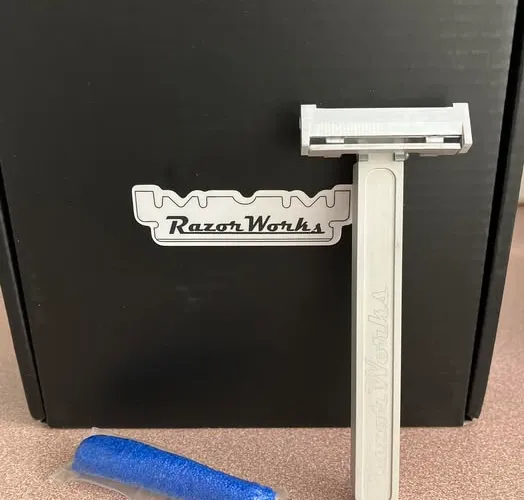
Jerry's running a Razor Works R1 Hammerhead pass-around. The 6061 aluminum razor takes half DE blades, sterilizing packets come along, and spots are open now.
Read more →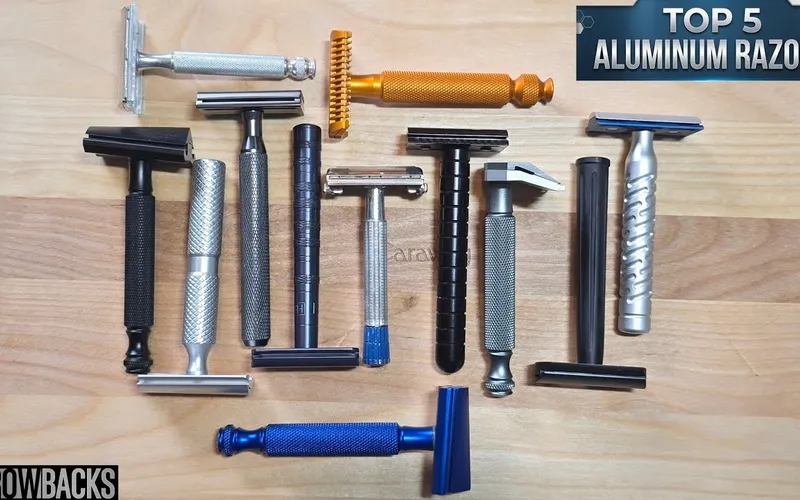
Five aluminum double-edge razors ranked lowest to highest price, from the adjustable PAA Ascension at $69.95 to the Timeless Slant at $84. I can get a damn fine shave every single time from any of them.
Read more →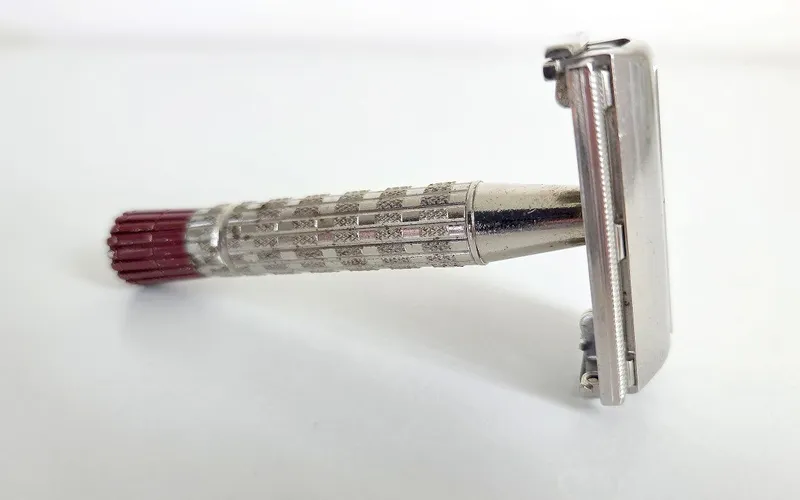
My friend Aaron handed me a box of vintage Super Speeds, and the Red Tip A3 from 1955 is where the exploration starts. Mild, comfortable, and better going against the grain than I expected.
Read more →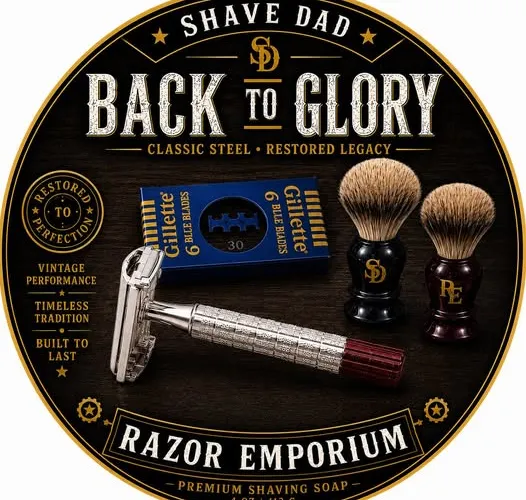
Three giveaways, a YouTube directory thread with 198 comments, and a first look at a Shave Dad x Razor Emporium collab. Here's the week.
Read more →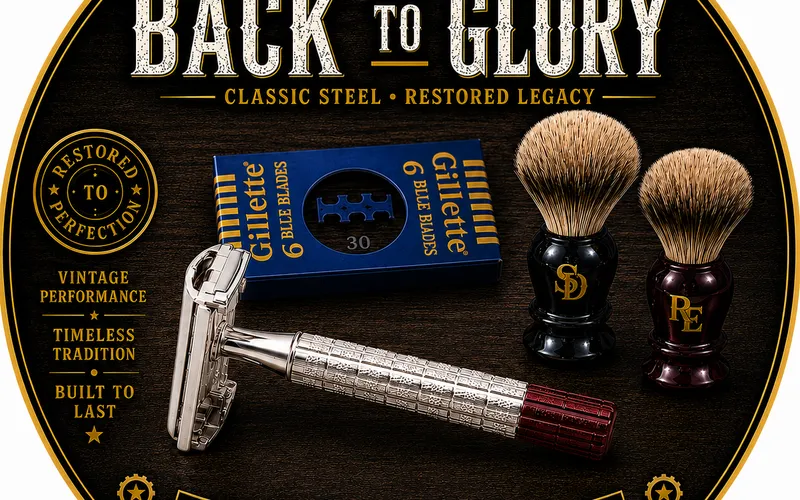
Jerry just announced Back to Glory, an upcoming Shave Dad x Razor Emporium collab built around the Gillette Red Tip. Scent notes: bergamot, lavender, cedarwood, amber.
Read more →
It's Italian Shave Wednesday, I'm T-minus five days from surgery, and we're touring Europe through soap, aftershave, and cologne. Mondial 1908, Floïd, Musgo Real, and the RazoRock German 37.
Read more →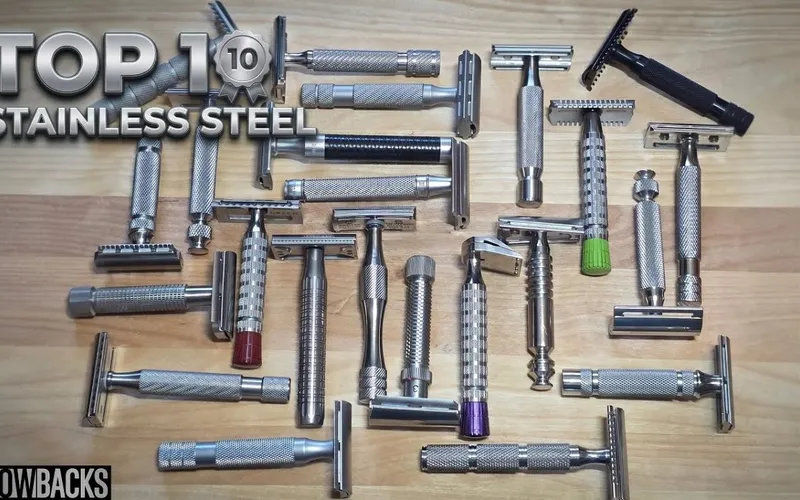
I've got 31 stainless steel razors but only 10 earn regular time on my face. Here's the countdown, $40 to $150, with codes to buy most of them cheaper.
Read more →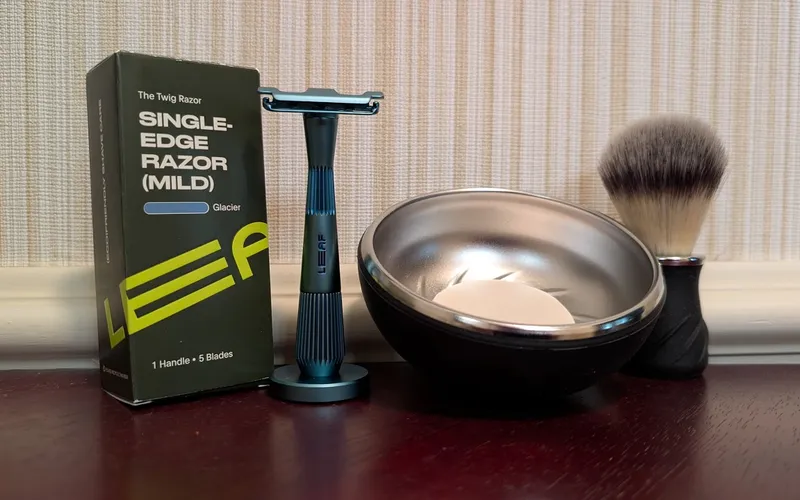
The Leaf Twig in Glacier just arrived, and I watched the mailbox all day waiting for it. Full kit breakdown and a two-pass shave with Pinaud Clubman Bay Rum to close.
Read more →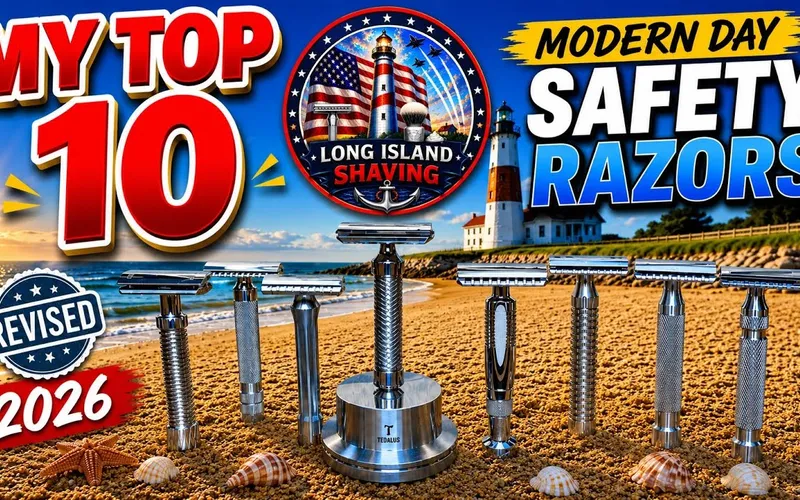
Four years in and the list has changed. Stainless steel is mostly out, titanium is in, and some razors have earned spots I didn't see coming.
Read more →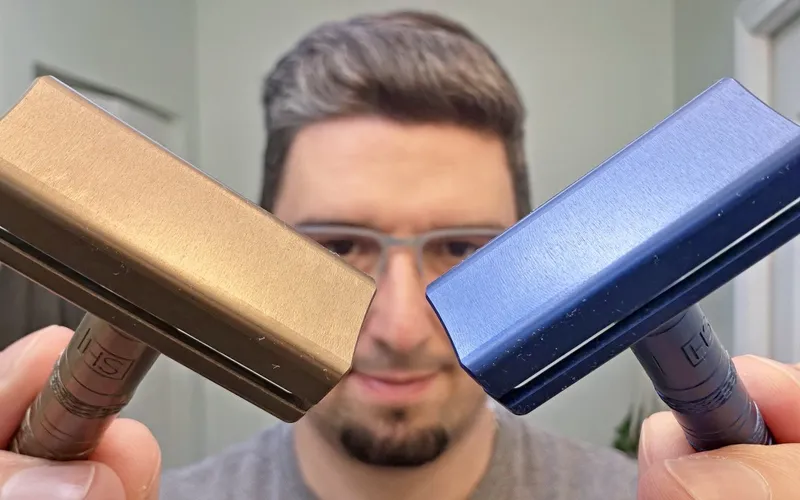
I borrowed Brett's Henson Medium to finally run a proper side-by-side against my Mild. Three passes, same blade, same soap, same face. The result was closer than I expected.
Read more →
I've been wet shaving for over 30 years, and the Rex Konsul gave me one of the best post-shave feels I've had on any razor. Whether that justifies $349 is what this review is here to answer.
Read more →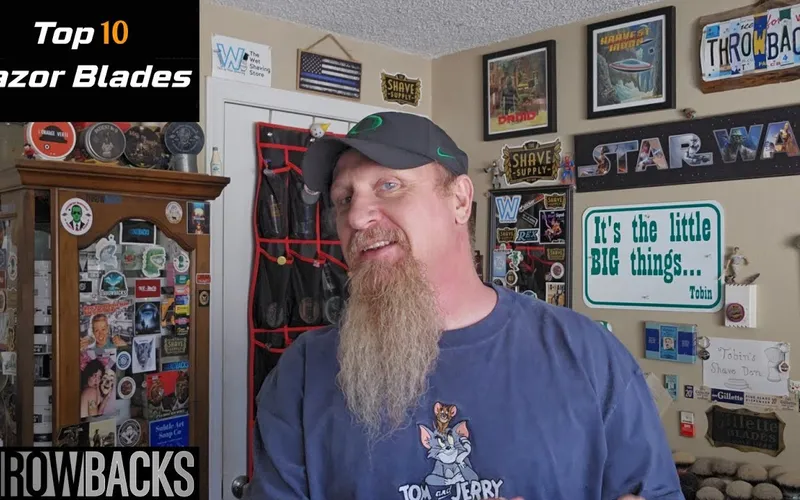
Ten double-edge blades I keep coming back to, ranked sharpest to mildest. Plus a giveaway for a 100-pack of Platinum Strangelets from Phoenix Artisan Accoutrements.
Read more →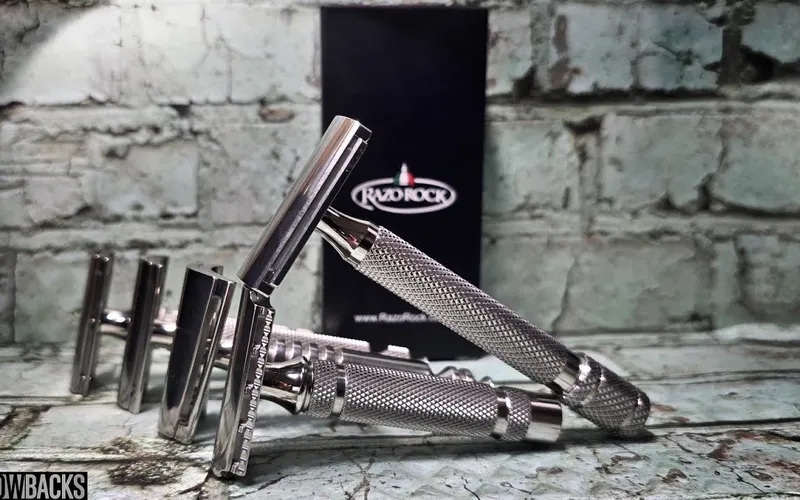
Twenty shaves with the RazoRock Next Level 85mm plate. 316L steel, killer value, ultra mild shave. But does the name hold up? I have thoughts.
Read more →
In this episode of The Retro Wet Shaving Podcast, Grant from Razor Works joins Dave to chat about the Hammerhead single-edge Razor!
Read more →In this episode of The Retro Wet Shaving Podcast, Dave has a chat with Rory from Kronos Razors! Join Dave on this exciting interview.
Read more →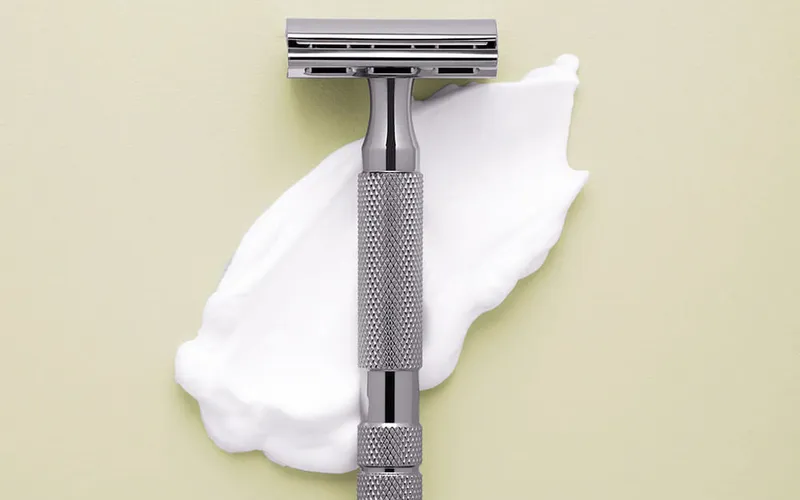
Elevate your wet shaving experience with the Rockwell 6C Adjustable Double-Edge Safety Razor. Durable, eco-friendly, and customizable for the perfect shave!
Read more →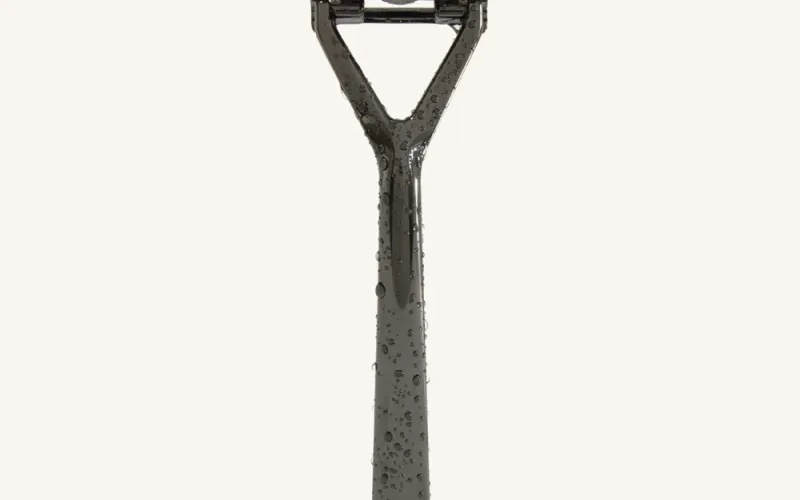
Discover the Leaf Razor: the eco-friendly, versatile solution for wet shaving. Enjoy a smooth shave while reducing your environmental impact.
Read more →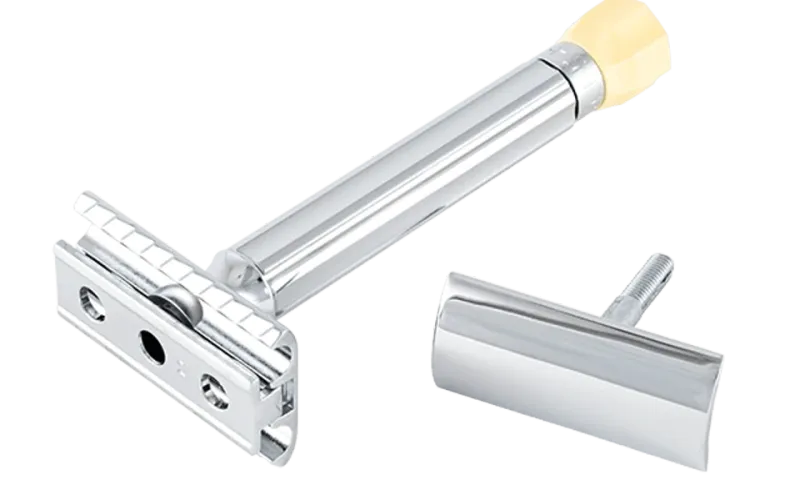
Experience a superior shave with the Merkur Progress Adjustable Double Edge Safety Razor. Customize your comfort and enjoy expert craftsmanship in every shave.
Read more →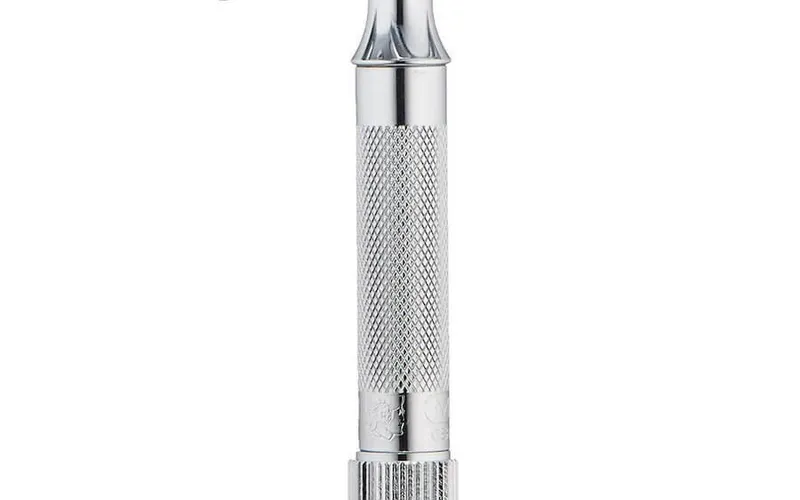
Discover the Merkur 37C HD Slant Double-Edge Safety Razor, a top choice for wet shaving enthusiasts seeking precision and comfort.
Read more →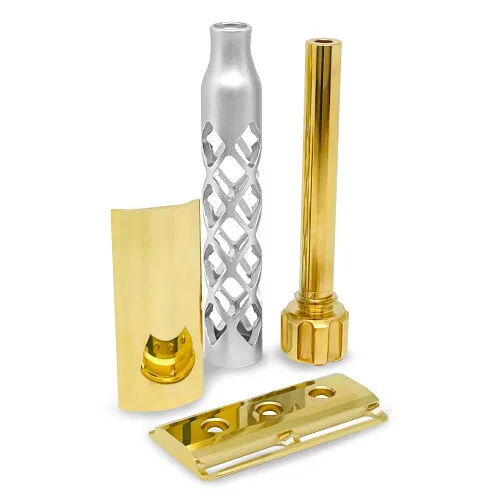
Discover the Goodfellas’ Smile Valynor Double Edge Safety Razor, an Italian-crafted masterpiece perfect for a superior and stylish wet shaving experience!
Read more →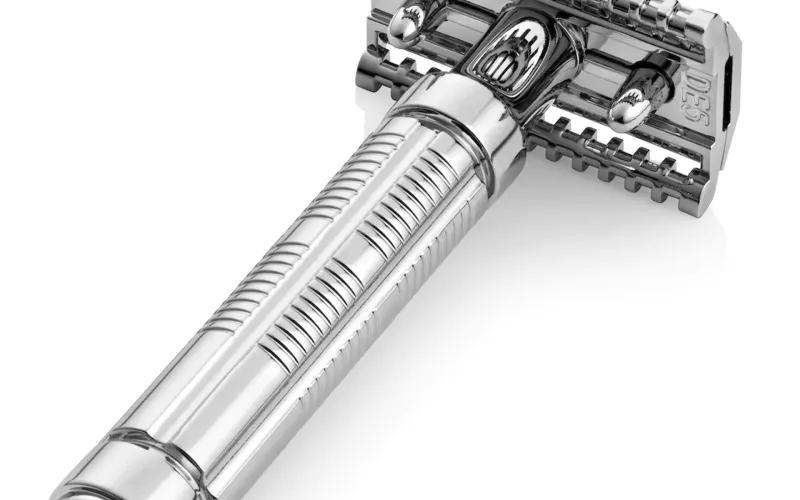
Discover the Fine Accoutrements DE5 Double Edge Safety Razor, your gateway to the art of wet shaving with vintage craftsmanship and modern precision.
Read more →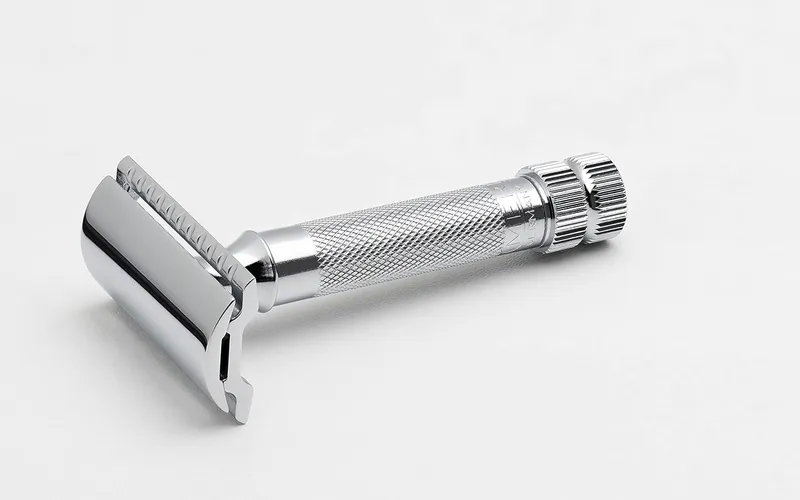
Discover the Merkur 34C, a timeless safety razor that offers superior comfort, precision, and durability for wet shaving enthusiasts of all levels.
Read more →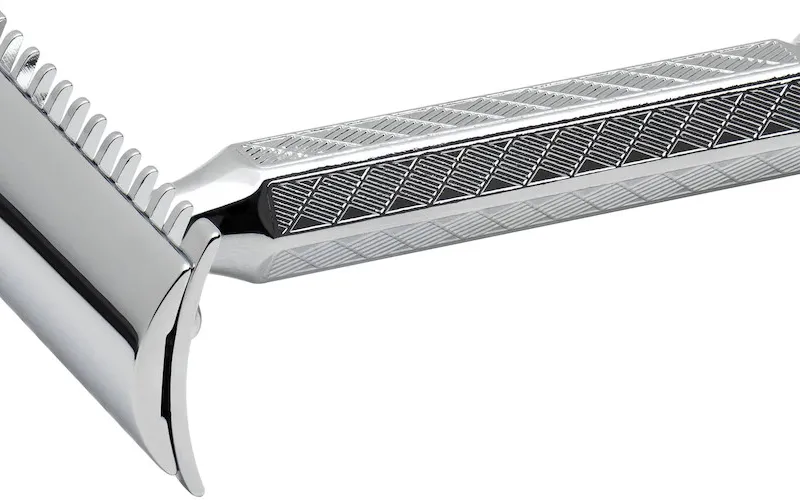
Upgrade your shaving routine with the Merkur 41C Hexagon Handle Double Edge Razor. Experience a close, comfortable shave with superior grip and lasting quality!
Read more →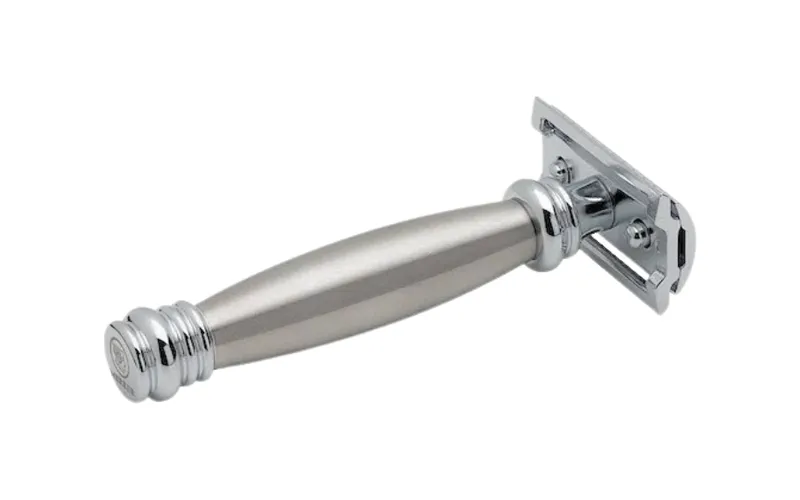
Discover the Merkur 43C Double Edge Safety Razor for an exceptional shaving experience: an elegant design, unmatched weight, and high-quality craftsmanship!
Read more →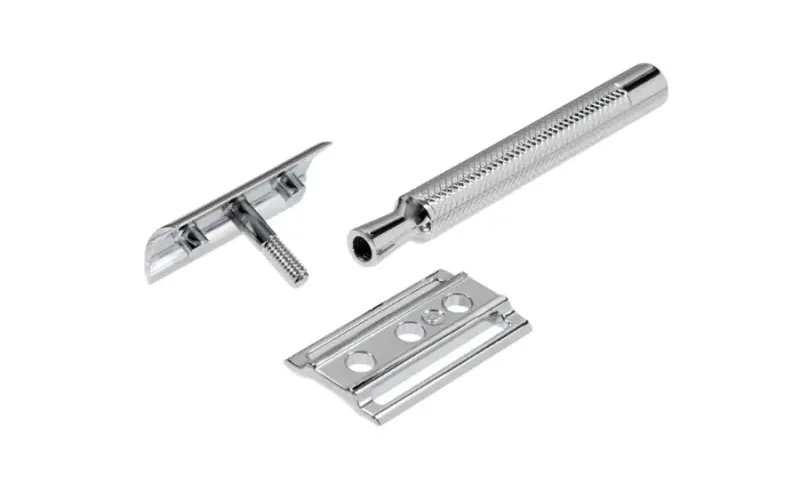
The Dovo Primo I Safety Razor is a game-changer in the world of shaving, combining timeless design, advanced engineering, and unparalleled performance.
Read more →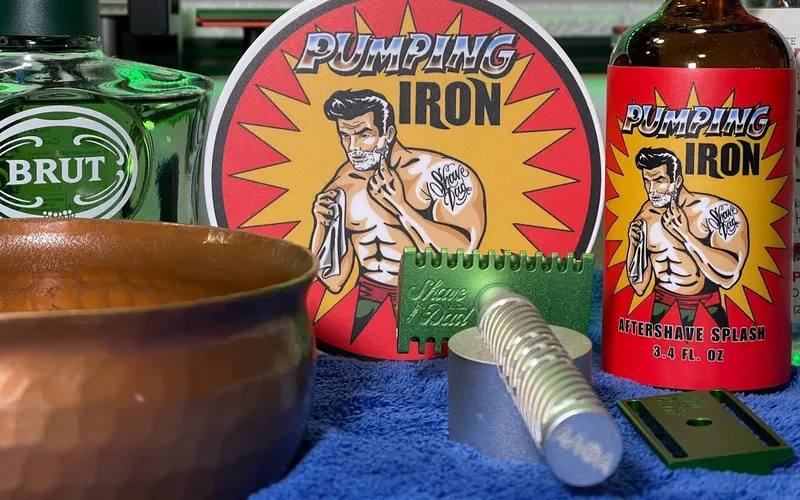
Join DJ Chubbs for a smooth shaving experience with the Pumping Iron and the Shave Dad razor. Discover top tips, techniques, and products for the perfect shave!
Read more →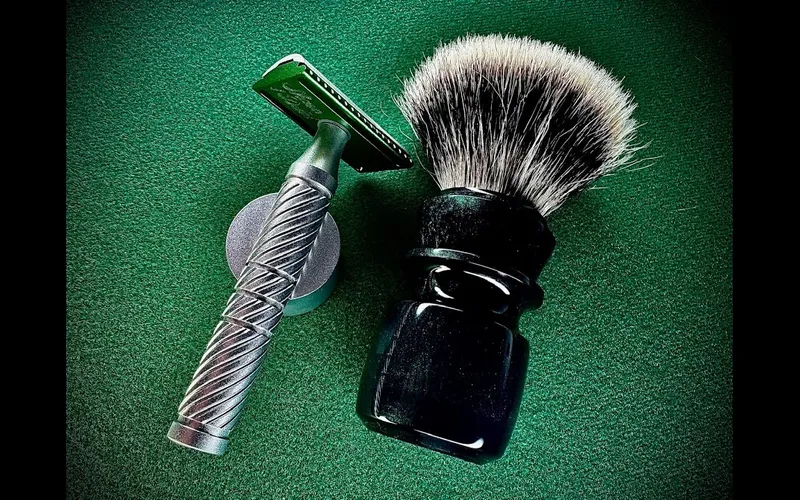
Join Sig Solo for the final shave of July 2024, featuring the innovative Shave Dad Razor and aromatic Royal Pine soap. Smooth, efficient, and unique!
Read more →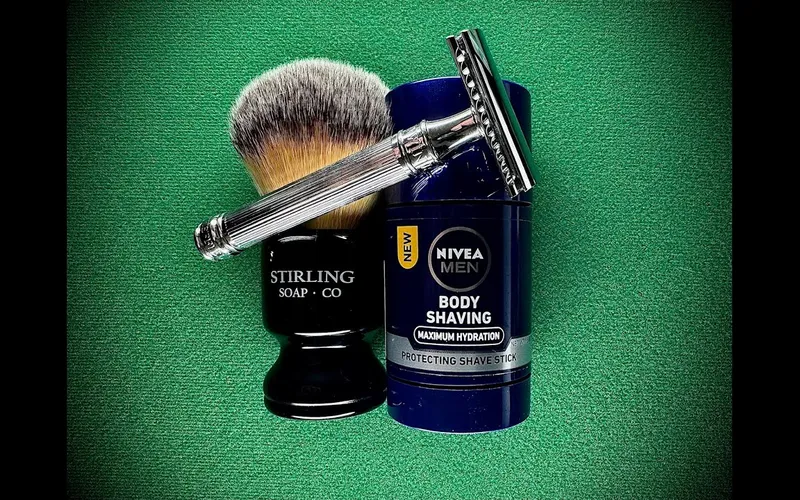
Join Sig Solo for Shave Stick Stories Chapter 16 as he reviews the Nivea Men Body Shaving soap stick with the Edwin Jagger DE89 razor!
Read more →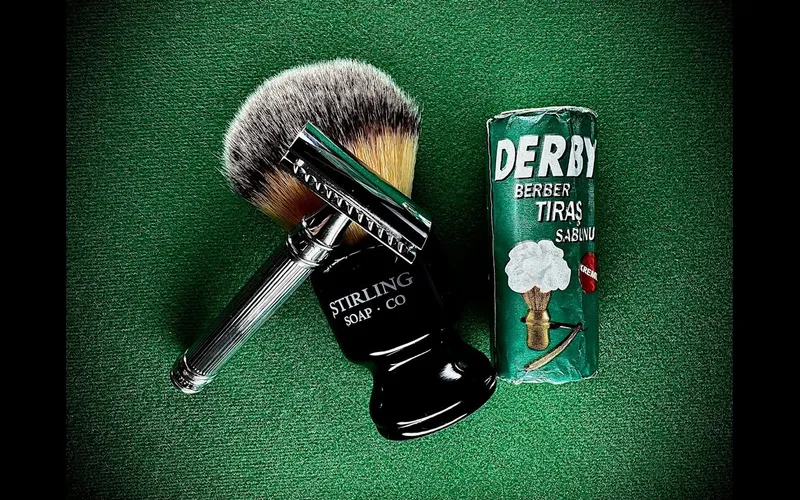
Join Sig Solo in Chapter 15 of Shave Sick Stories as he reviews the Turkish Derby soap and Edwin Jagger DE89 razor. Discover scent, slickness, and more!
Read more →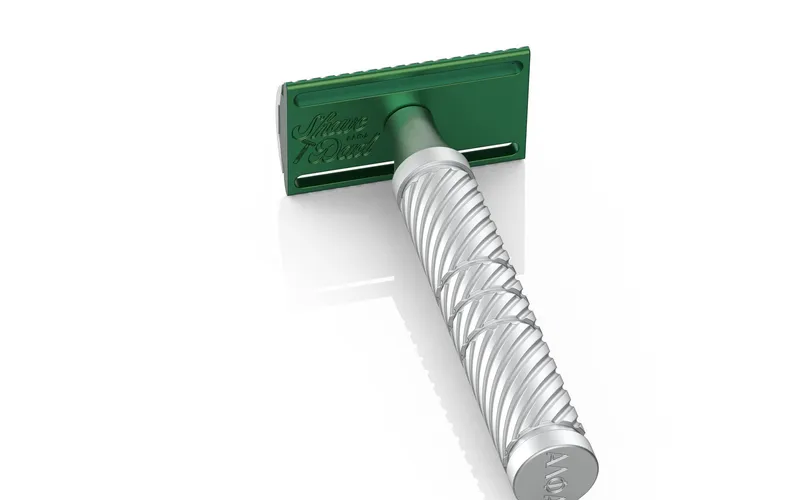
Steve at Alpha Shaving Works built a 100-piece run of an aluminum DE for Shave Dad: 6061 aluminum, sandblasted then anodised, 0.70 blade gap, laser-etched Shave Dad/Alpha logo. $49.99.
Read more →A new episode of The Retro Wet Shaving Podcast has been released. In this episode, Dave interviews Shannon Constantine from Elysian Soaps; a luxury soap company.
Read more →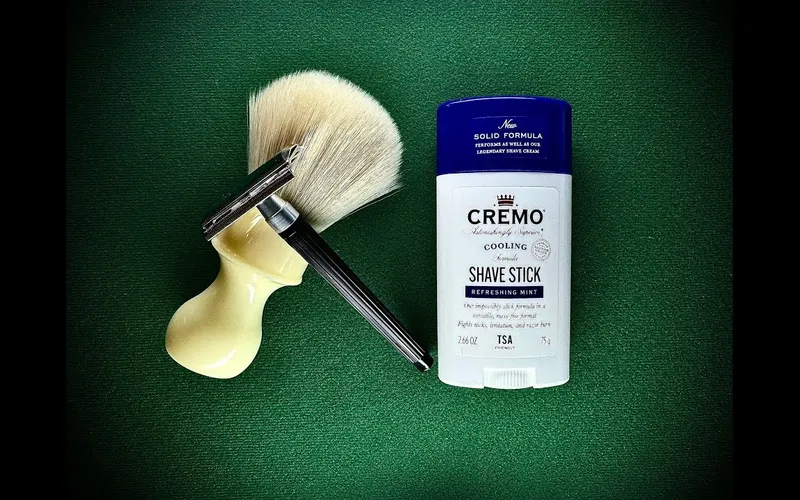
Discover the Cremo Shave Stick in this review. Learn about the Indian Tech Sterling Razor and evaluate the Cremo Shave Stick using the 5 S’s.
Read more →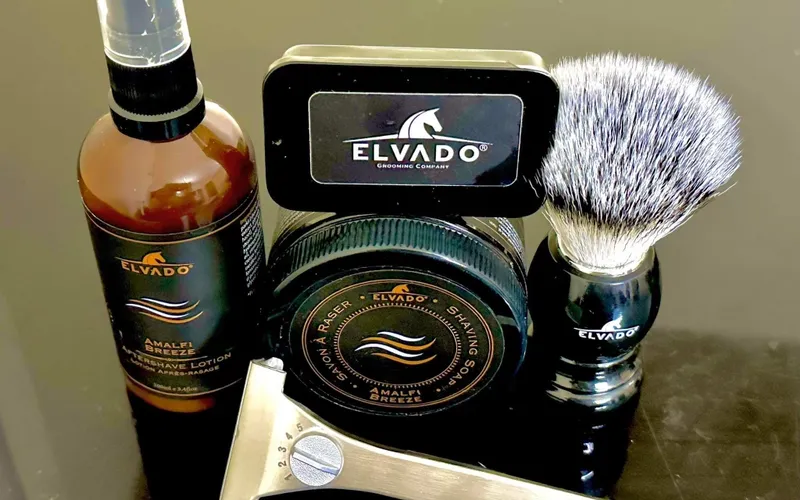
A shaving review of the Parker Injector Razor and Elvado Almafi by Rajat Bajaj, a wet shaving enthusiast, expert, and reviewer.
Read more →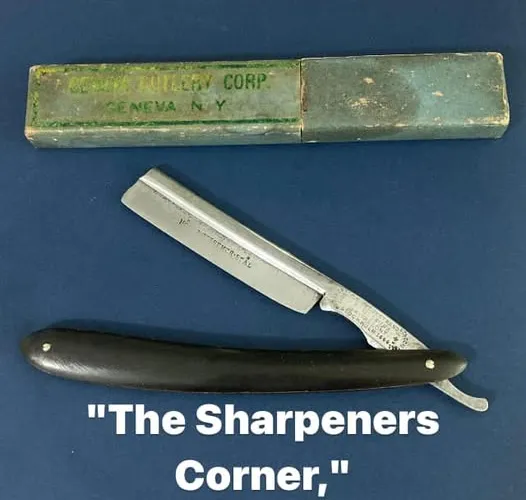
Jerry pinned The Hone Zone in the Shave Dad group - a permanent thread where experienced honers share gear, instructional videos, and hands-on advice. Bryan put up stones and practice razors on day one.
Read more →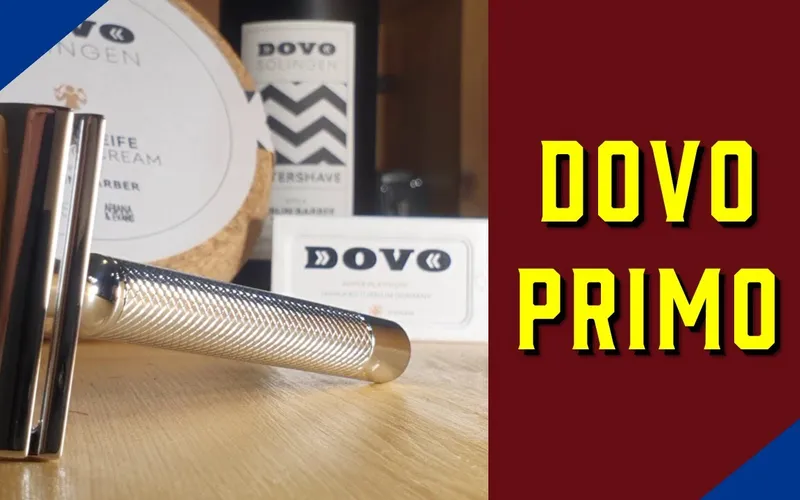
A review of the Dovo Primo double edge Razor by Andre Pinto (Barba Tradicional). Andre shares his thoughts and first shave impressions with the Dovo Primo.
Read more →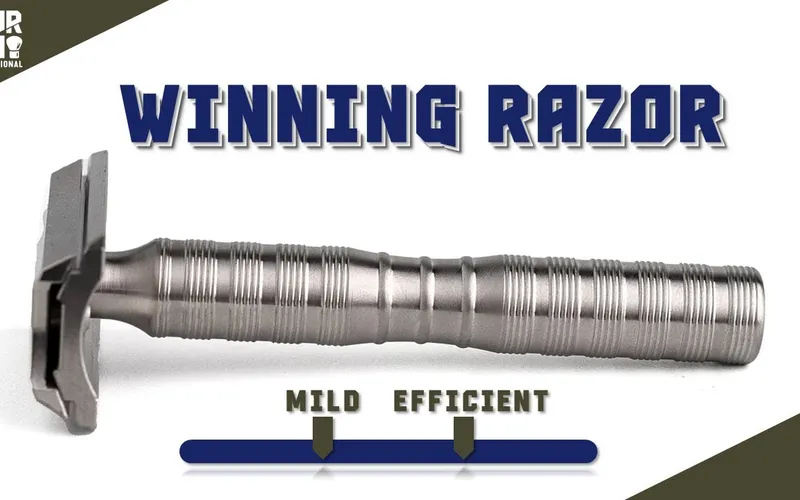
A review of the Yates Winning Razor by Andre Pinto (Barba Tradicional). Andre shares his thoughts and experience on his first shave with the Winning razor.
Read more →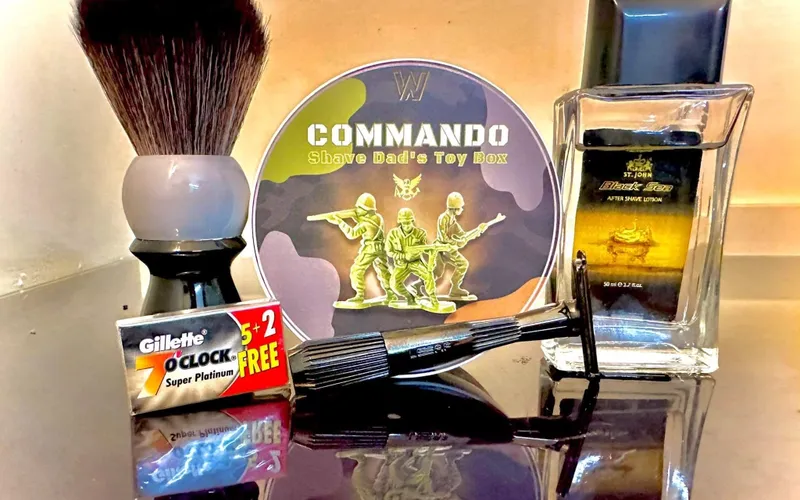
A shaving review of the Leaf Twig and Shave Dad’s Commando by Rajat Bajaj, a wet shaving enthusiast, expert, and reviewer.
Read more →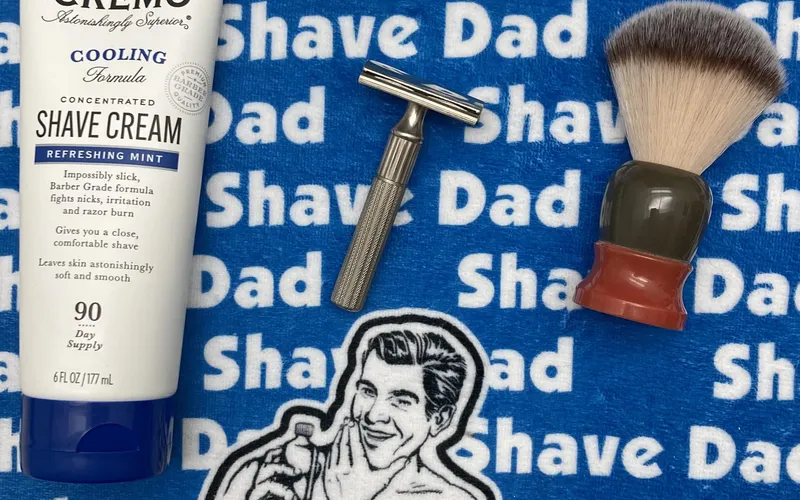
If you’re new to wet shaving, don’t worry about the fancy products and expensive razors. We all started somewhere and are happy to help each other out…
Read more →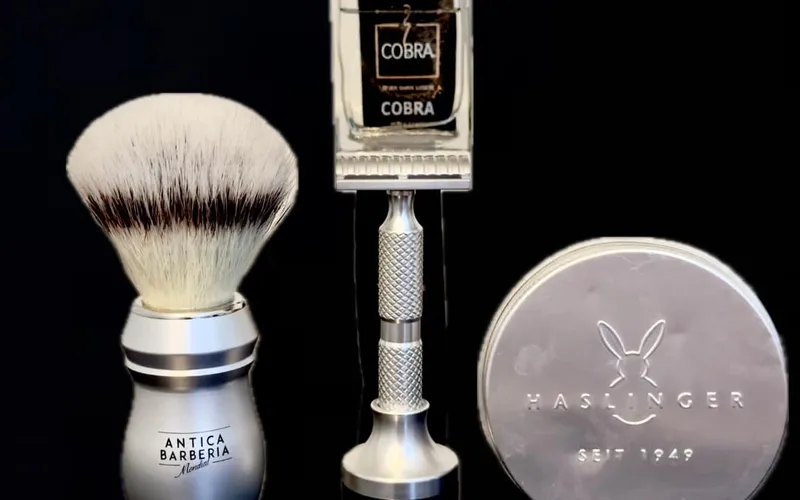
A review of the Timeless Aluminum Razor by Rajat Bajaj, a wet shaving enthusiast, expert, and reviewer.
Read more →