

My Favorite Fall Soap: Autumn Woods From Subtle Art Soap Co.
Autumn Woods from Subtle Art Soap Co. is one of my favorite fall seasonals, paired here with the PAA Cygnus razor and an Abominable Creations brush.
Read more →Badger, boar and synthetic brushes: what each fiber does, how knots differ, and how to pick one that suits your soap and face.
A shaving brush does three things at once: it holds water, it works soap into a lather, and it lifts the beard off the face so the blade can reach it. Which fiber you choose changes how it does all three.
Boar bristle starts stiff and splits as it breaks in over a few weeks, ending up soft-tipped with real backbone, which makes it excellent at loading hard soaps. Badger is softer and holds more water, with grades from the coarse and scrubby to the very soft silvertip. Synthetic fibers need no break-in at all, dry in hours rather than a day, and have improved enormously; for a beginner or a traveler they are often the sensible answer.
Knot size and loft matter more than the handle. A larger knot holds more lather but is less precise, and a lower loft feels stiffer than a tall one of the same fiber. Most shavers land somewhere in the 22 to 26mm range without ever needing to think about it again.
Here you will find brush reviews across all three fiber families, plus the practical guidance on drying, break-in and matching a brush to the soaps you actually own.
44 posts in this topic
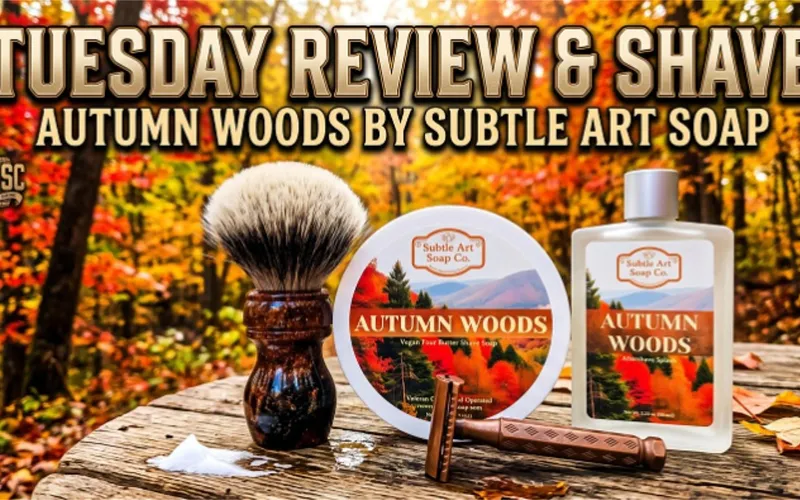
Autumn Woods from Subtle Art Soap Co. is one of my favorite fall seasonals, paired here with the PAA Cygnus razor and an Abominable Creations brush.
Read more →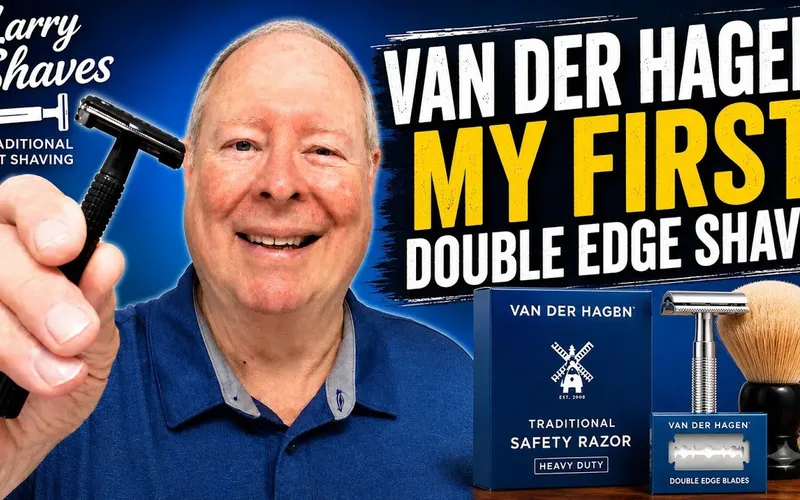
Seven years ago a grocery store Van Der Hagen kit pulled me off cartridge razors for good. I dug the same razor, soap, and brush out of the closet for one more shave.
Read more →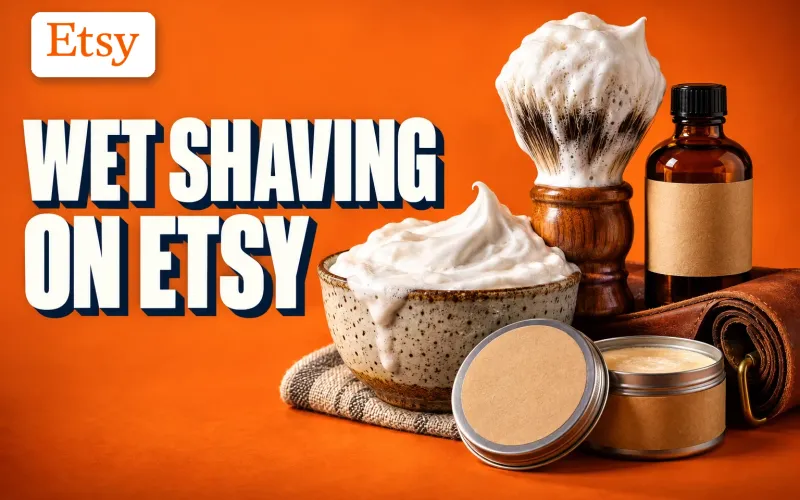
A guided tour of wet shaving on Etsy: the Shave Dad community makers who sell there, the long-running soap shops with thousands of reviews, and the handmade stands, bowls, brushes and strops to round out a den.
Read more →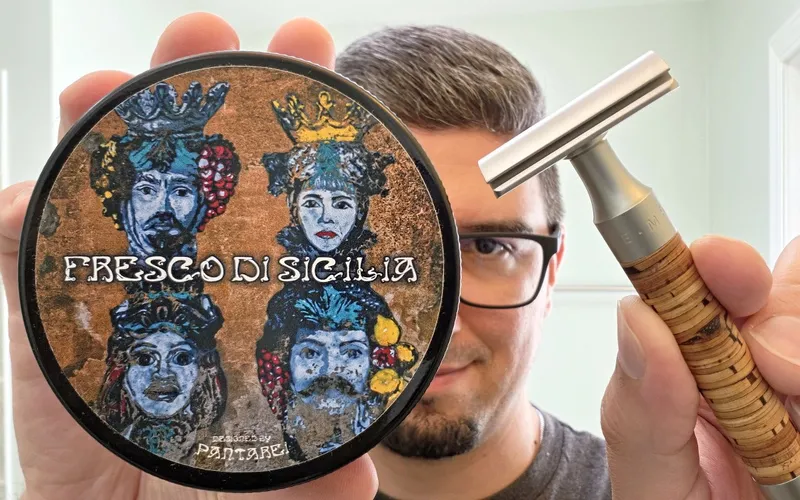
A weird, extra-creamy brush load turned this Fresco Di Sicilia shave into one of my favorite summer scents from Panta yet.
Read more →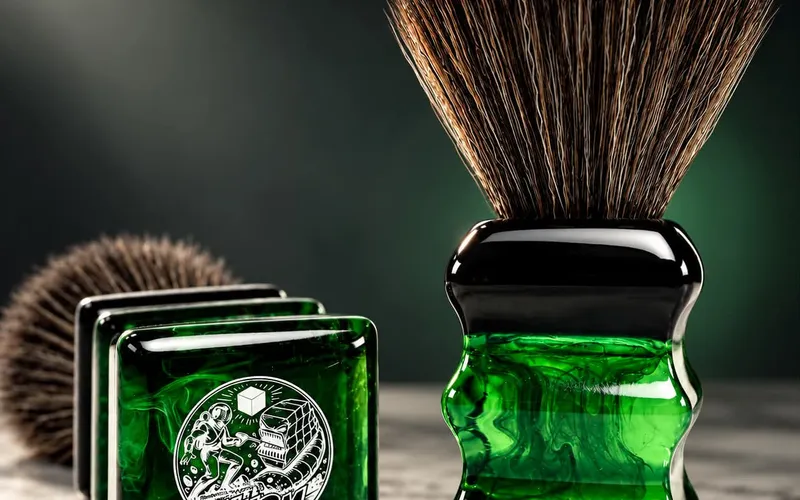
Phoenix Artisan built its new WÜRM brush from a vintage Klenzo nobody can find a second example of. The history behind that old brush is the good part, and the green acrylic handle carries a knot people already liked.
Read more →
Boar is the misunderstood brush: stiff and scratchy on day one, custom-fitted and soap-devouring by week three. How the break-in actually works, why the patient love them, and which Omega to start with.
Read more →
Good wet shaving gear outlives cars if you let it. The whole maintenance system: the thirty-second daily habits, the monthly deep clean, why brushes die of damp, and what a stand actually does.
Read more →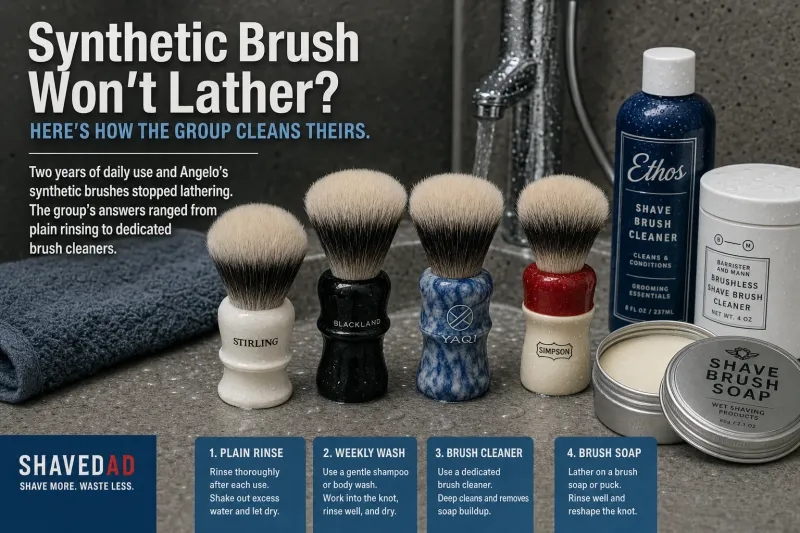
Two years of daily use and Angelo's synthetic brushes stopped lathering. The group's answers ranged from plain rinsing to dedicated brush cleaners.
Read more →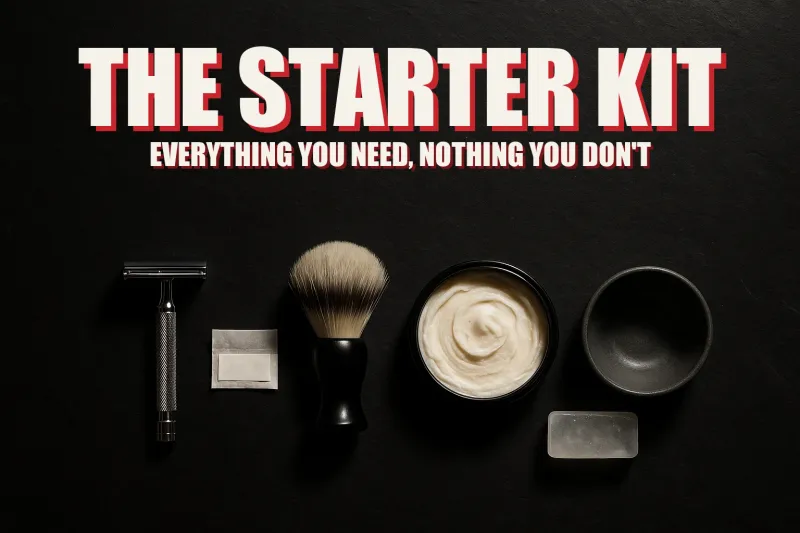
Five things make a complete wet shaving kit: razor, blades, brush, soap, and something for afterward. Everything else is upgrade material. This is the whole checklist with a budget tier and a buy-once tier for each slot, and a short list of what not to buy in month one.
Read more →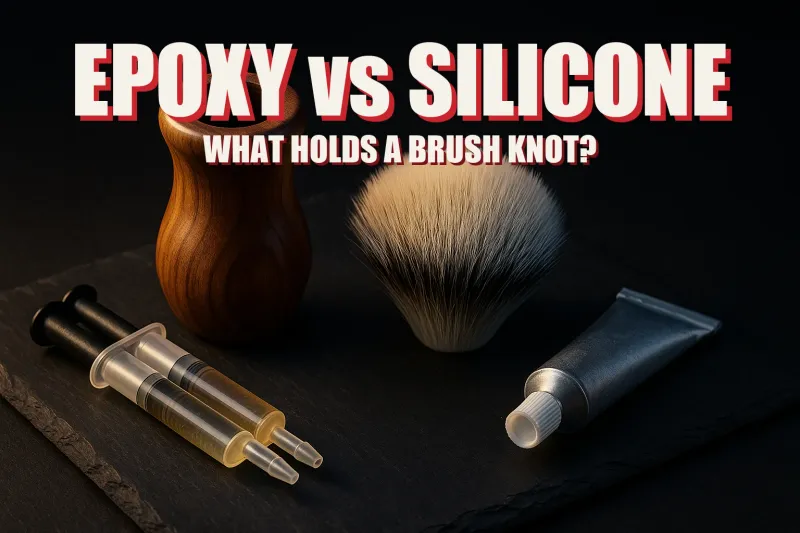
Mark needed glue to reknot two brushes, and the thread split hard between two-part epoxy and RTV silicone, with strong opinions on both sides.
Read more →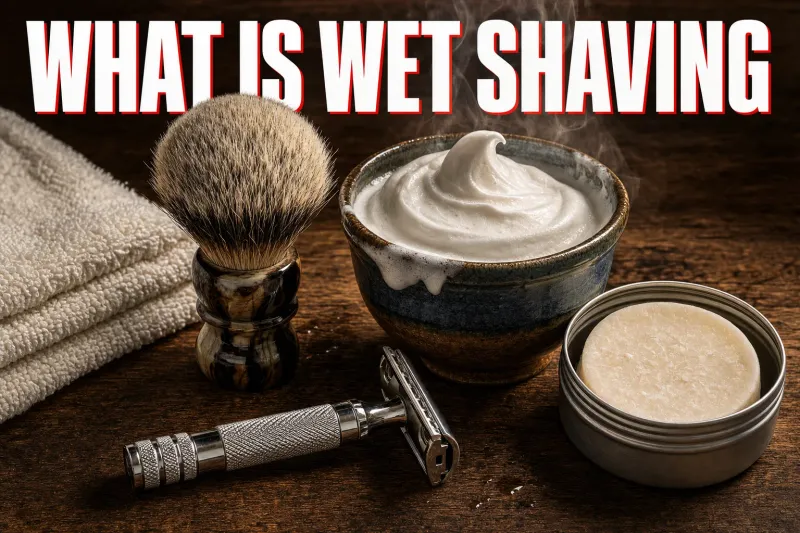
Wet shaving is the old way of shaving done deliberately: warm water, real lather built with a brush, and a single blade under your control. Here is what the term actually means, why the method persists a century after it was supposedly obsolete, what it costs, and how to start.
Read more →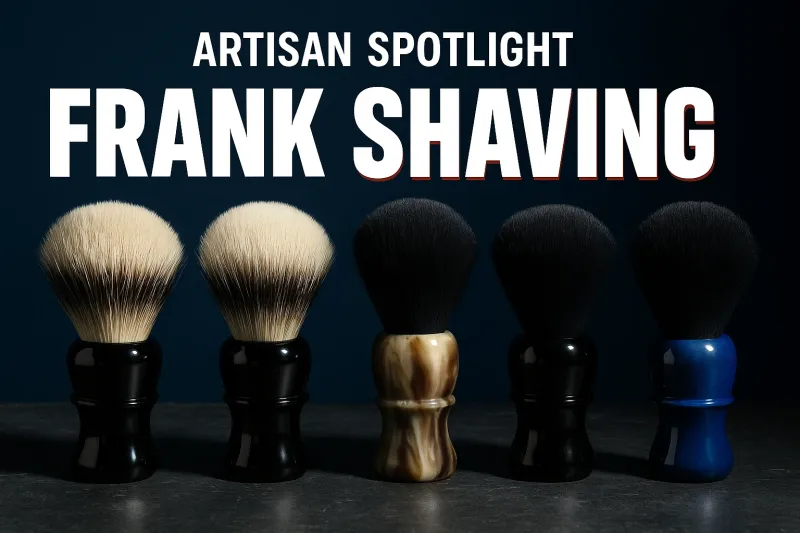
Look closely at the brushes in the Shave Dad group and one name keeps turning up: Frank Shaving. Ming builds knots and custom brushes for the group's creators, supplies the house brushes at The Wet Shaving Store, and has quietly become one of the community's favorite makers.
Read more →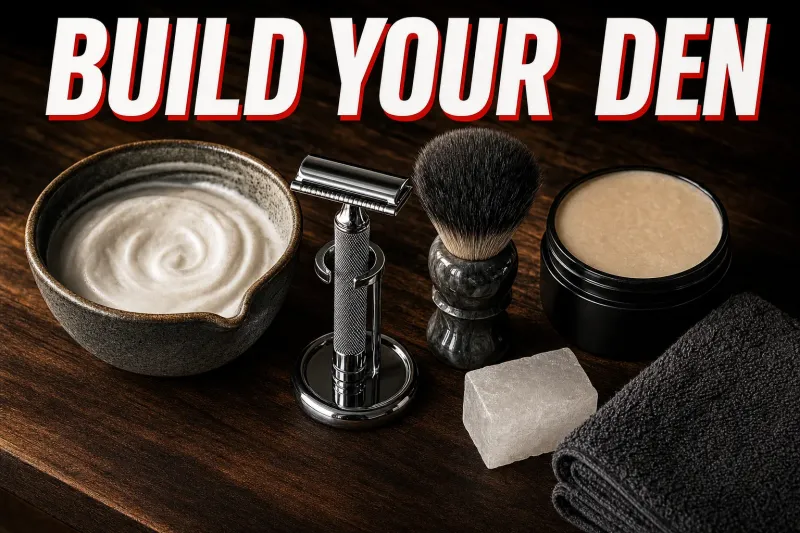
A shave den is not a shrine, it is a station: the small set of gear that keeps your razor dry, your brush alive, your blades safely retired, and the whole ritual ready to go. Here is what actually earns counter space, what is merely nice, and what to skip.
Read more →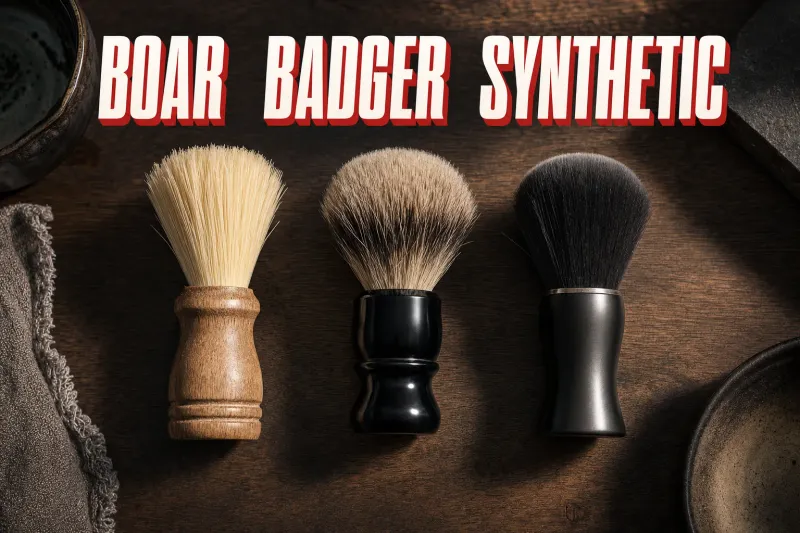
The brush is the most misunderstood tool on the shave shelf, and the specs are a wall of jargon: badger grades, boar break-in, knot millimeters, loft, fan versus bulb. Here is the whole picture in one place, what each fiber actually feels like, what the numbers mean, and how to pick your first or your fifth.
Read more →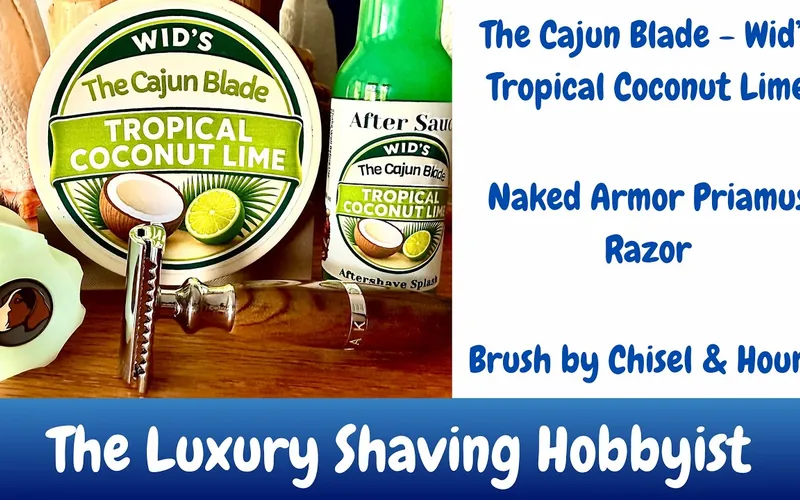
I put Naked Armor's new Priamus razor through five days of growth alongside The Cajun Blade's Wid's Tropical Coconut Lime soap and a brand new Chisel and Hound brush.
Read more →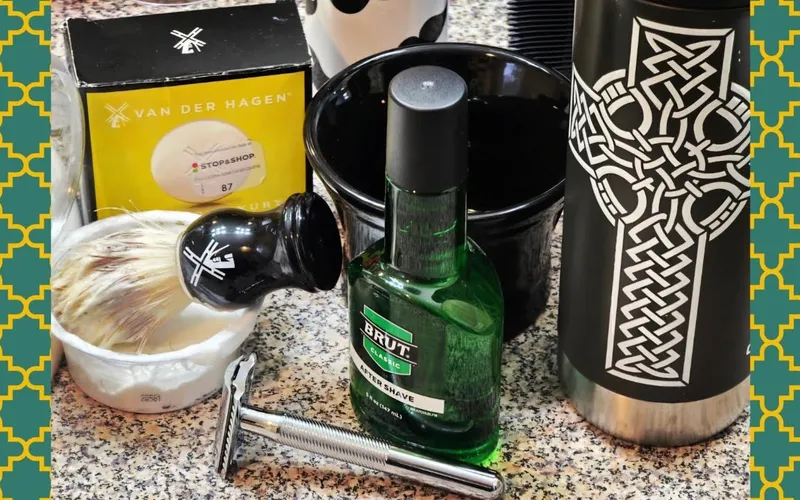
I built a full shave kit out of stuff you can grab at Stop and Shop, and the Van Der Hagen soap turned out to be the one that surprised me.
Read more →
I break out Stirling's Glacial Electric Sheep, a brand new brush from Abominable Creations, and my trusty Teddy razor for another mentholated Straight Shave Saturday.
Read more →
I run down the Wholly Kaw and Chrille Shaver Mogud collab, whiskey and honey up top, tobacco and oud in the heart, then shave it with my vintage Eclipse Red Ring razor.
Read more →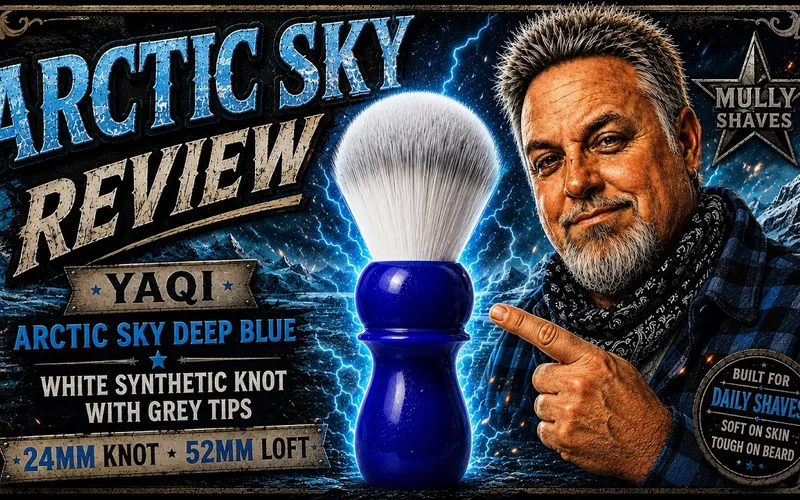
I put the Yaqi Arctic Sky Deep Blue under the light. It's a synthetic knot that'll fool you into thinking it's cashmere, until you actually use it.
Read more →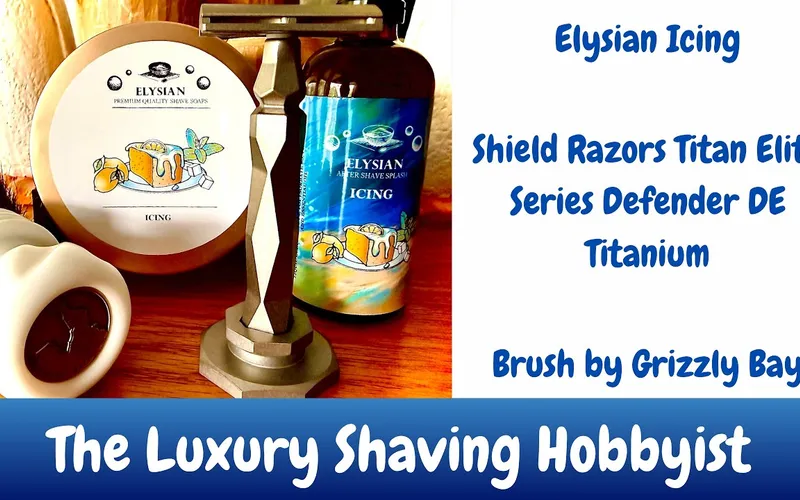
I'm shaving today with Elysian Icing, a lemon-menthol tallow soap from Shannon at Elysian Soap Shop, the Shield Titan Elite Defender titanium razor, and a new matte white brush from Grizzly Bay.
Read more →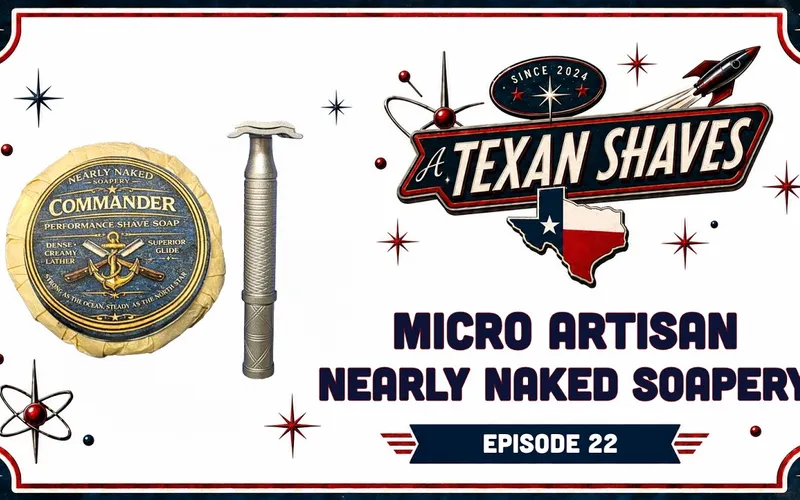
I tried to record this one last week and forgot to push record. Just got home from a trip. Here's the do-over, and it was worth making twice: Nearly Naked Soapery Commander.
Read more →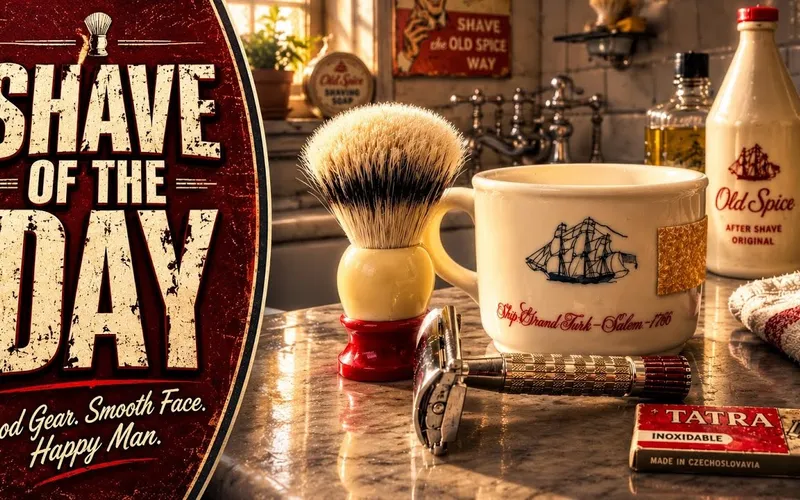
I'm setting the rotation aside for seven days: one soap, one brush, one razor, one blade, every morning. Day one is done, and the Tatra Red blade is already making me question my choices.
Read more →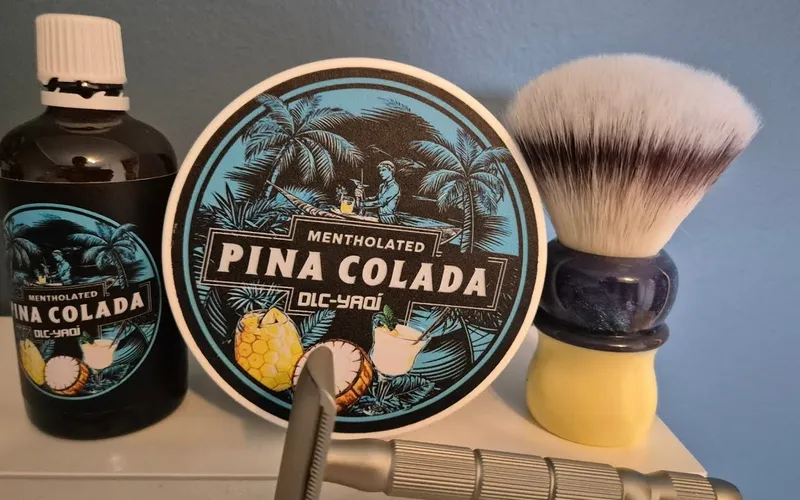
It's been blazing hot here all day and heavy menthol is the answer. Running the Yaqi Pinacolada Chillers soap and splash with the Caveem razor and the Yaqi Ice Tea brush.
Read more →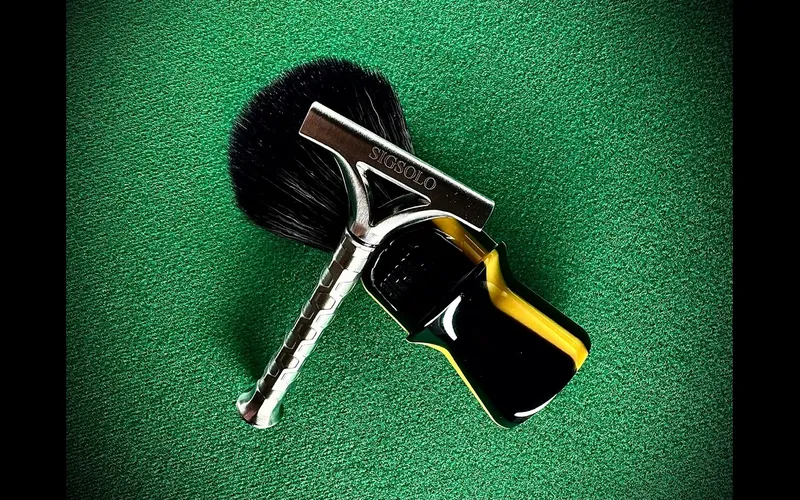
Shaving with my all-time favorite AC razor on my daughter's wedding day, and Frank Shaving is giving away a free SIG SOLO brush with the first 25 orders using my code.
Read more →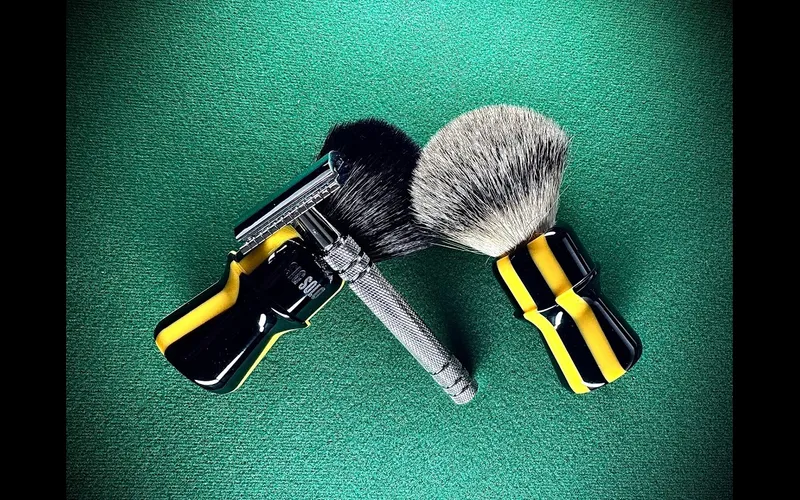
Ming at Frank Shaving built two custom SIG SOLO brushes, G5B synthetic and Manchurian Silvertip badger. I put them to work alongside his solid copper three-piece razor and MSC Louie.
Read more →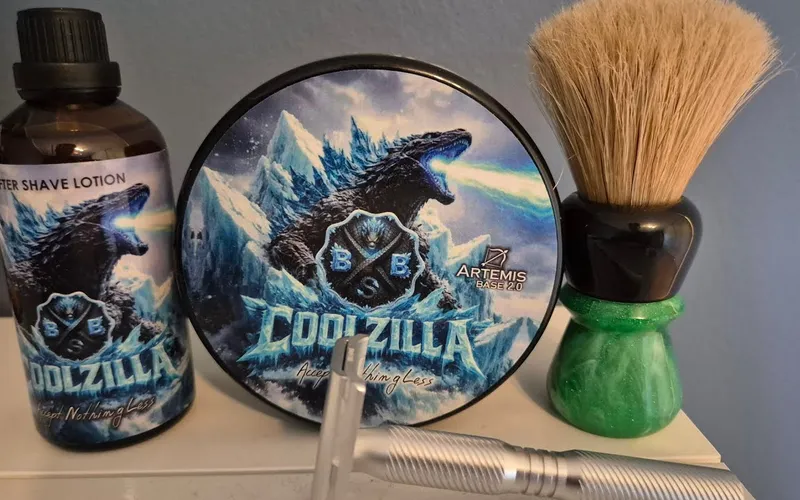
Grace and Yaqi sent over a 24mm boar brush for review. The handle is gorgeous. The knot nearly burned my face off.
Read more →![OliWorks Asteroid Ti titanium brush alongside the M3[Ti]orite razor](/_astro/2ac85121c736cb6b.cB0-NUYf_2oVaGy.webp)
Sick for three weeks but still shaving. The OliWorks Asteroid Ti brush arrived, and I'm running it with my M3[Ti]orite and MSC Night On The Town.
Read more →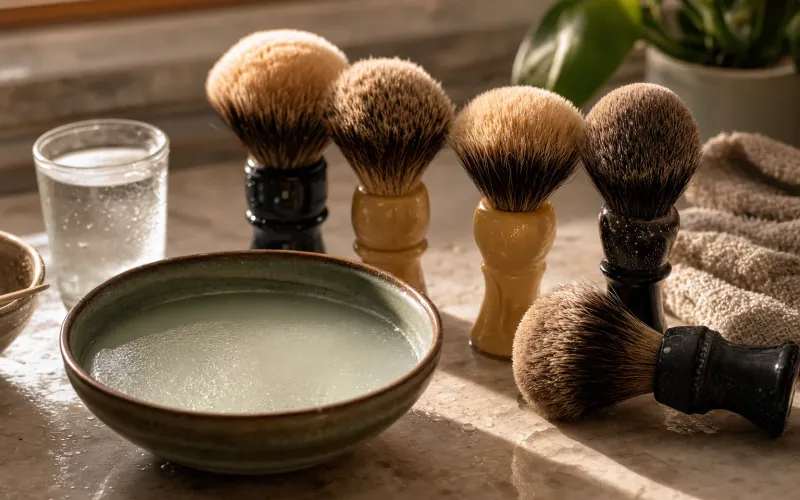
Andrew's Yaqi badgers wouldn't load while synthetics sailed through. The group zeroed in on hard water, then compared notes on loading time, water removal, and the prep fixes nobody mentions.
Read more →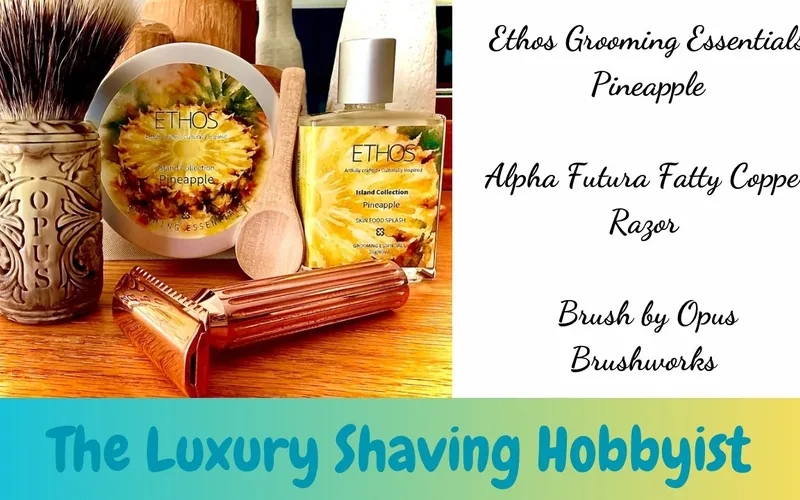
Three brand-new items on the bench: Ethos Pineapple from the Island Collection, the Alpha Futura Fatty copper razor, and a hand-carved Opus Brushworks brush. One week of growth. One BBS shave.
Read more →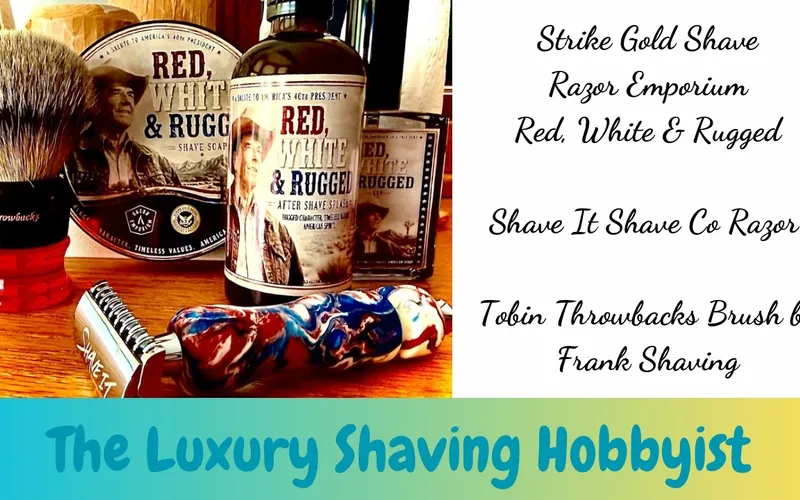
Red, White & Rugged dupes Avon Wild Country, and the nostalgia hit is real. Full three-pass shave with the Frank Shaving Tobin Throwbacks brush and a Shave It Shave Co razor.
Read more →
Damon won a Van Yulay scent contest, and Riding Rhonda is what came out of it. He also puts the Blackland Blackbird through two passes and gives his honest take.
Read more →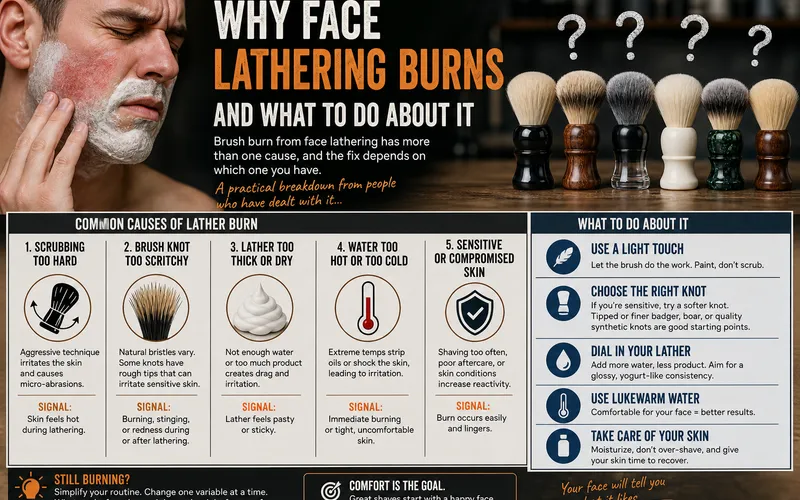
Brush burn from face lathering has more than one cause, and the fix depends on which one you have. A practical breakdown from people who have dealt with it.
Read more →
The Shave Dad Flea Market runs daily in 2026. Razors, soaps, brushes, full trifectas: members buy, sell, and trade in the comments every day. Here's how it works.
Read more →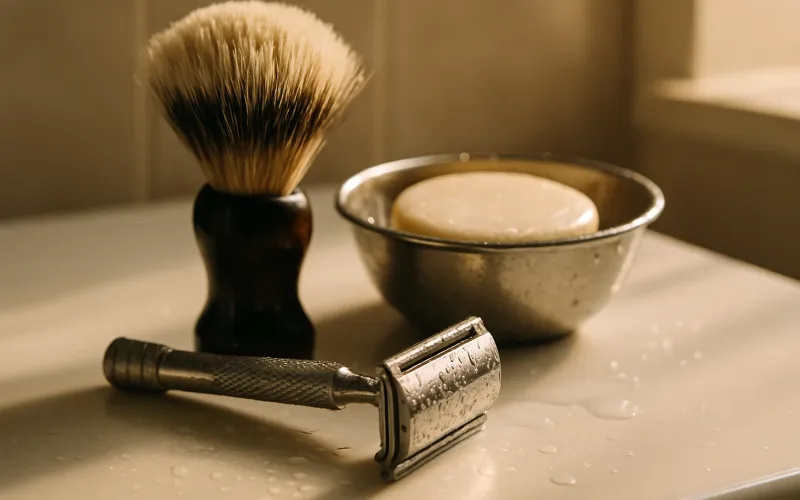
Four main approaches came out of this thread: dish soap and a toothbrush, ultrasonic cleaners, a DIY disinfecting spray, and rinsing with water alone. All practical, all valid.
Read more →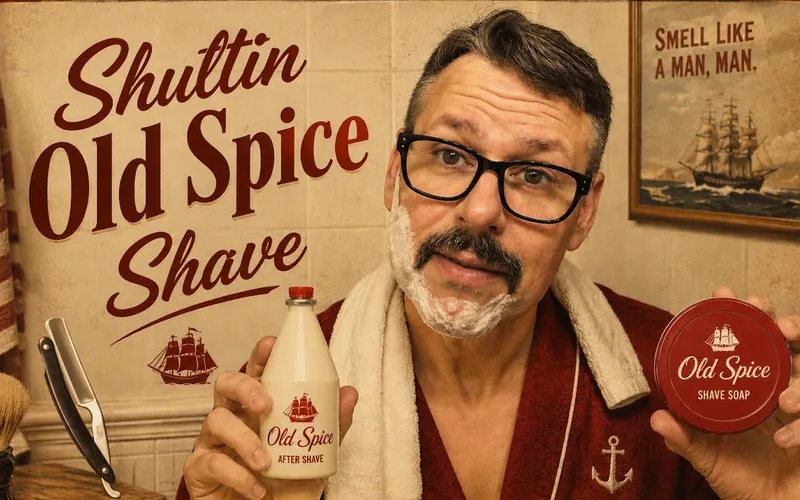
Nick sent me his vintage Shulton Old Spice - soap, aftershave, cologne, the full trifecta - to find out if it's still as slick as he thinks. Forty-plus years in the mug, and the answer is yes.
Read more →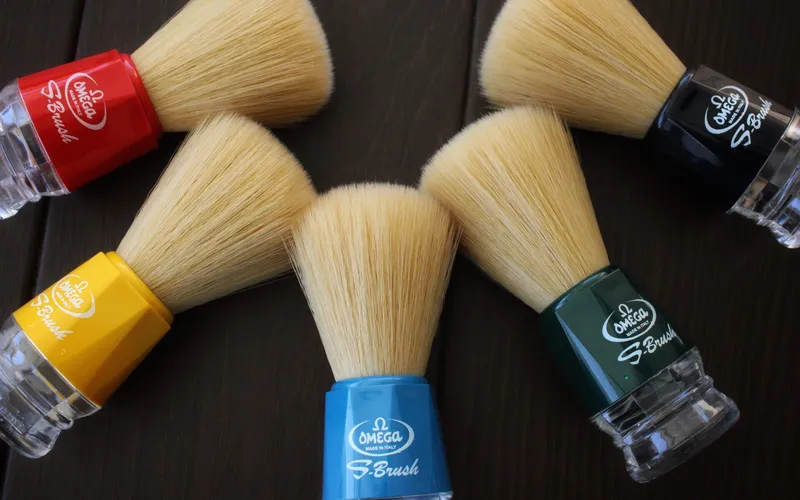
Discover the Omega Boar Bristle Shaving Brush – a classic choice for modern wet shavers. Enjoy exceptional lather and comfort at an affordable price.
Read more →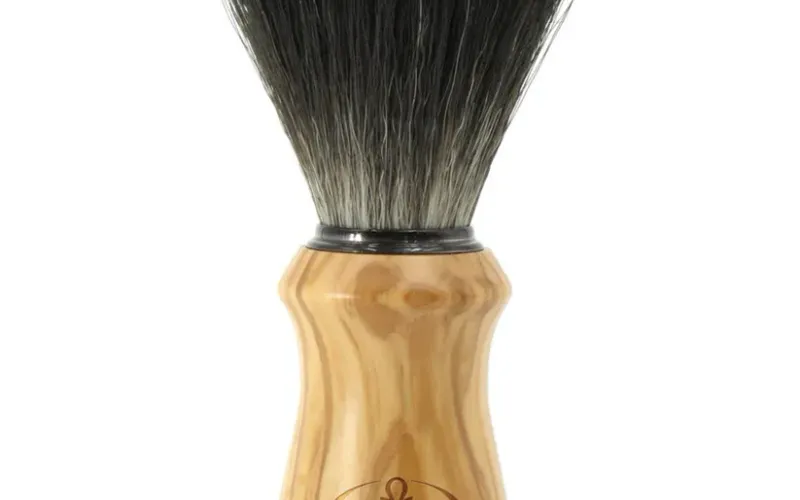
Upgrade your shave with the Omega Black Hi-Brush Fiber Shaving Brush. Enjoy superior lather, durability, and easy maintenance for an exceptional experience.
Read more →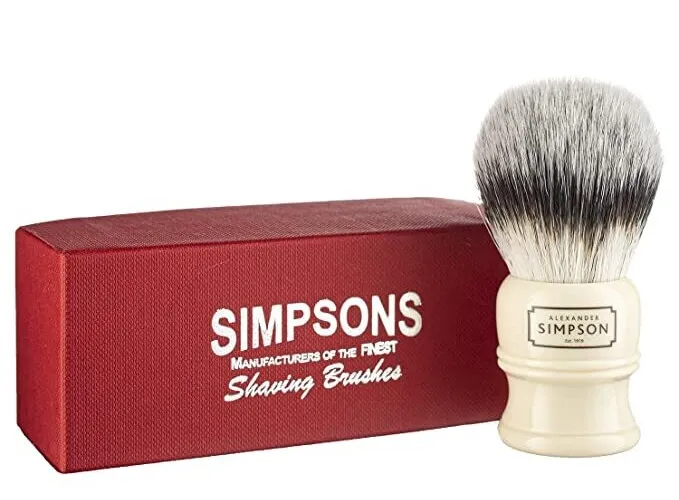
The Simpson Trafalgar T2 Synthetic Shaving Brush: soft fibers, excellent lather, easy maintenance, and unbeatable value for a superior wet shaving experience.
Read more →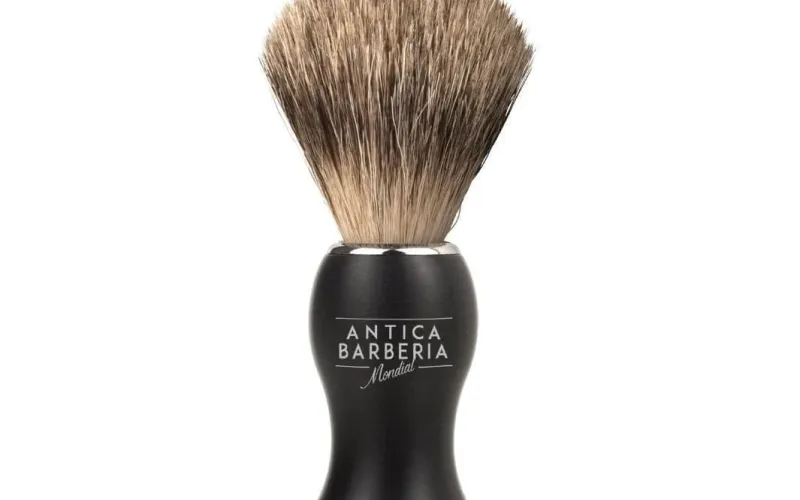
Upgrade your shaving routine with the Antica Barberia Mondial Panther Black Brush. Luxurious, durable, and easy to maintain for a superior lathering experience.
Read more →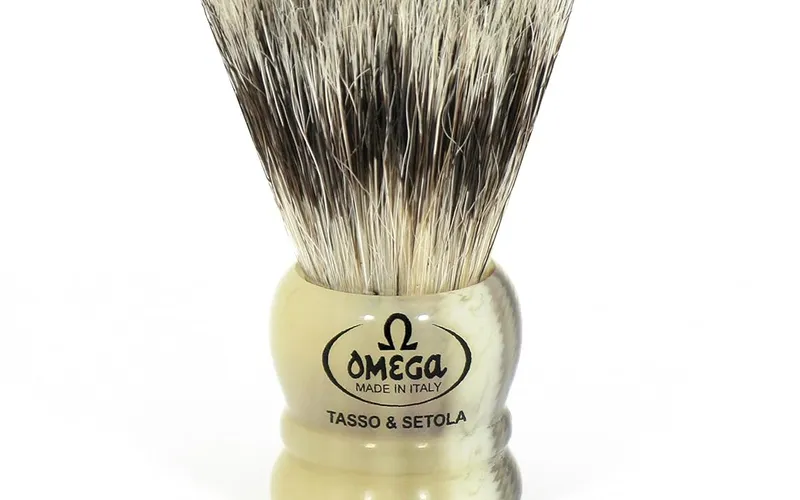
Discover the Omega Mixed Bristle Micro Shaving Brush: perfect for travel and daily use, blending boar and badger for a luxurious, effective shave on the go.
Read more →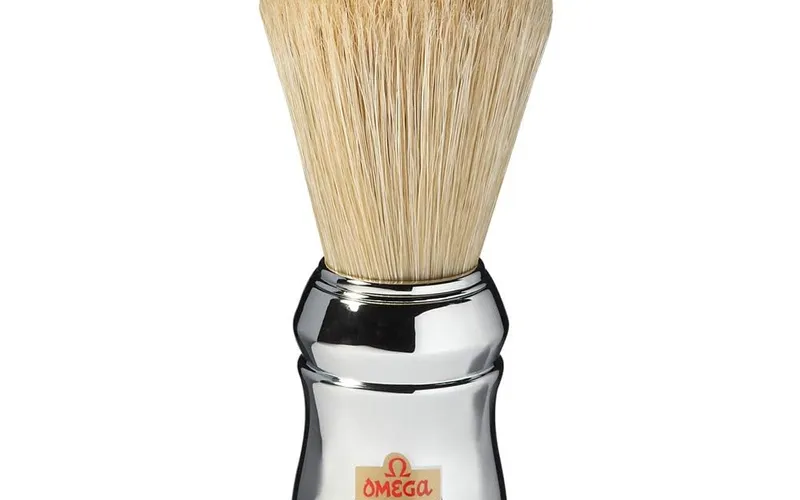
Shaving with the Omega Professional Boar Bristle Brush will give you superior lathering, durability, and style, all for just $12.99. Shop now!
Read more →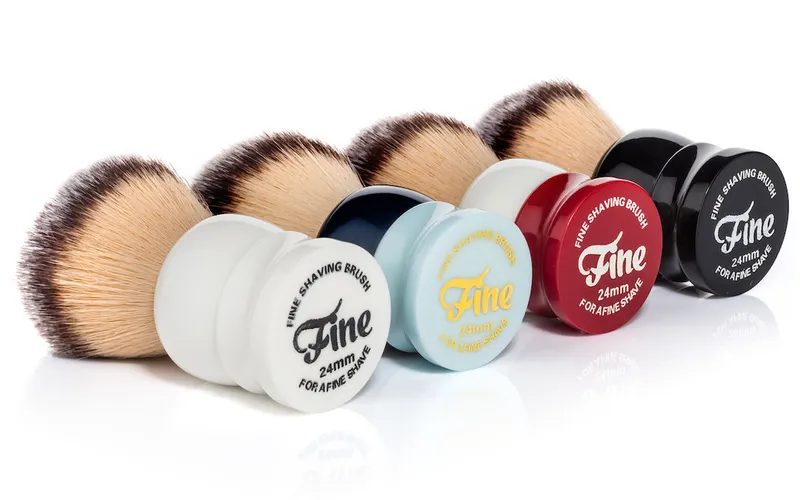
Upgrade your wet shaving routine with the Fine Accoutrements Stout Synthetic Shaving Brush. Enjoy luxury, performance, and cruelty-free comfort.
Read more →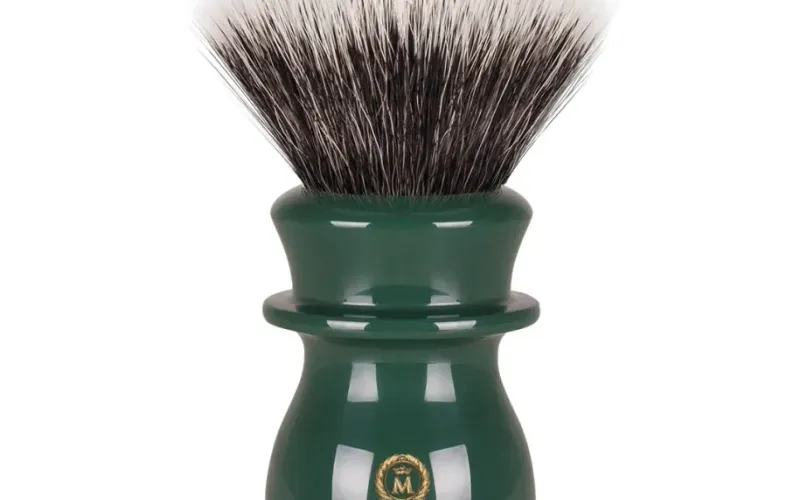
Enhance your shaving ritual with the Il Marchese Cavour XC-05 Premium Synthetic Shaving Brush. Experience luxury, durability, and exceptional craftsmanship.
Read more →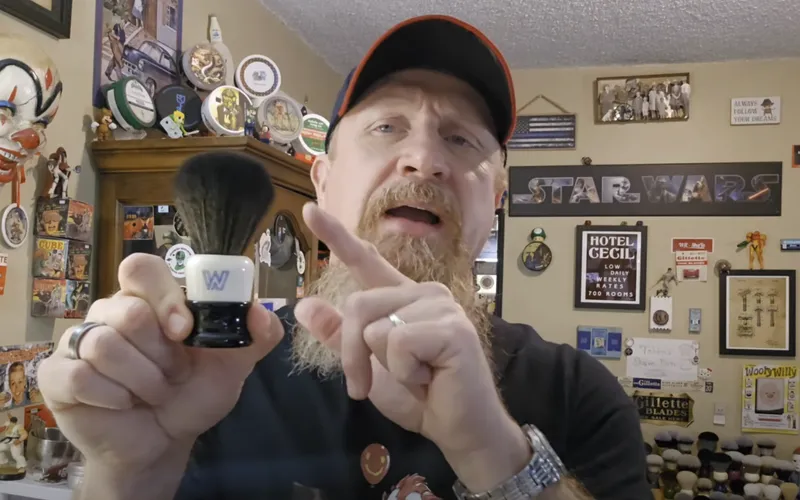
A list of the top five synthetic shaving brushes that Tobin found himself using during the year 2023. Tobin shares his thoughts and technical info.
Read more →